


Disney Ushers in New Era with Josh D’Amaro as CEO
A New Captain Takes the Helm at the Magic Kingdom
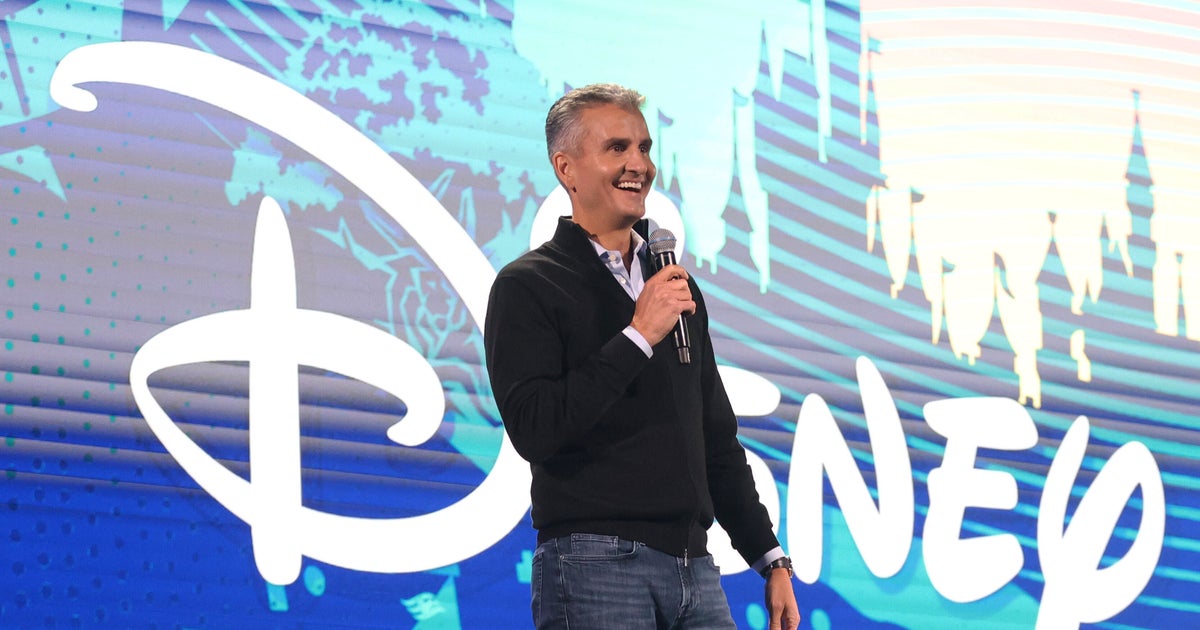
After years of corporate turbulence and careful deliberation, The Walt Disney Company has finally chosen its next leader. Josh D’Amaro, the current head of Disney’s beloved theme parks and resort hotels division, will step into the role of Chief Executive Officer on March 18, 2026. This appointment marks a pivotal moment for one of the world’s most iconic entertainment companies, bringing an end to months of speculation about who would succeed the legendary Bob Iger. D’Amaro isn’t just inheriting a company; he’s taking on a cultural institution with $36 billion in annual revenue and approximately 185,000 employees scattered across the globe. The announcement, made on Tuesday, represents Disney’s hope for stability and renewed creative vision after a tumultuous period that saw leadership changes, financial struggles, and significant workforce reductions. For Disney fans and employees alike, this decision signals a new chapter in the company’s storied history.
The Journey from Finance to the Corner Office
Josh D’Amaro’s path to Disney’s top job is a classic inside success story, spanning nearly three decades with the company. The 54-year-old executive first joined Disney in 1998 and has since worked his way through virtually every corner of the organization. His resume reads like a masterclass in corporate versatility—finance, business strategy, marketing, creative development, and operations. Before leading the entire Disney Experiences division, D’Amaro served as president of Walt Disney World Resort, where he gained intimate knowledge of what makes Disney’s parks magical for millions of visitors each year. Since 2020, he’s been responsible not just for theme parks, but also for Disney’s cruise line, resorts, and even the licensing business that includes partnerships with companies like Epic Games. This diverse experience has given him what Bob Iger calls “an instinctive appreciation of the Disney brand, and a deep understanding of what resonates with our audiences.” In an industry where understanding both the business numbers and the emotional connection customers have with your brand is crucial, D’Amaro appears uniquely qualified.
Learning from Past Mistakes
Disney’s leadership transition comes with heavy baggage from recent history. The company is still recovering from the rocky tenure of Bob Chapek, Iger’s previous successor, whose time as CEO was marked by internal conflicts, strategic missteps, and disappointing financial performance. That period was so problematic that Iger, who had already retired once, was brought back in 2022 to steady the ship. His return wasn’t ceremonial—it was a rescue mission. Iger immediately set about cutting costs and restructuring Disney’s business model, including the painful decision to eliminate 7,000 jobs in 2023, representing about 3% of the company’s global workforce. The memory of that leadership failure hangs over this new transition, but Disney’s Chairman James Gorman sought to reassure stakeholders during a CNBC interview on Tuesday, stating bluntly, “We won’t have the same drama we had last time, that I can assure you.” This time around, Disney has been far more methodical, establishing a formal succession planning committee in 2023 specifically to explore and thoroughly vet potential candidates. The message is clear: Disney learned from its mistakes and has chosen D’Amaro after careful consideration, not rushed decision-making.
Facing Challenges in a Changing Entertainment Landscape
D’Amaro steps into the CEO role at a challenging moment for Disney. While the company remains a global entertainment powerhouse, it faces headwinds that would test any leader. One immediate concern is the struggle to attract international visitors to Disney’s theme parks—a problem that directly impacts the division D’Amaro currently leads. The global tourism industry hasn’t fully recovered to pre-pandemic levels, and economic uncertainties in key markets have made families think twice about expensive vacations. Beyond the parks, Disney faces intense competition in streaming, where its Disney+ service competes with Netflix, Amazon Prime, and numerous other platforms for viewers’ attention and subscription dollars. The traditional media business, including Disney’s television networks, continues to decline as cord-cutting accelerates. Meanwhile, theatrical releases have become increasingly unpredictable, with some films underperforming despite massive budgets. D’Amaro will need to balance innovation with the preservation of Disney’s core brand values, all while navigating an entertainment industry being transformed by technology, changing consumer habits, and economic pressures. His experience managing complex operations and his reputation for understanding what audiences want will be put to the test on a much larger stage.
Building a New Leadership Team
Disney isn’t just changing its CEO; it’s reshaping its executive structure to support the transition. Alongside D’Amaro’s appointment, the company announced that Dana Walden, currently co-chairman of Disney Entertainment, will become president and chief creative officer of Disney, also effective March 18, 2026. This dual announcement suggests a carefully orchestrated succession plan designed to ensure continuity and balance different aspects of Disney’s business. Walden’s elevation recognizes the critical importance of creative content in Disney’s future—whether that’s films, television shows, streaming series, or new intellectual property that can be expanded across the company’s various platforms. By pairing D’Amaro’s operational expertise and brand instincts with Walden’s creative leadership, Disney appears to be creating a partnership model at the top of the company. This structure acknowledges that modern Disney isn’t just an entertainment company or just a parks company—it’s an integrated ecosystem where creative content feeds the parks, and park experiences inspire new content. The success of this leadership transition will depend not just on D’Amaro’s individual capabilities, but on how well he collaborates with Walden and other key executives to drive Disney’s multifaceted business forward.
What This Means for Disney’s Future
As the March 2026 transition date approaches, Disney stakeholders—from shareholders to employees to the millions of fans worldwide—will be watching closely to see what direction D’Amaro takes the company. His background suggests he understands the delicate balance between Disney’s legacy and the need for innovation. Having spent years ensuring that theme park guests have magical experiences, he knows that Disney’s greatest asset isn’t its intellectual property catalog or its real estate holdings—it’s the emotional connection people feel to the brand. At the same time, his experience across multiple business units means he understands that emotional connection must translate into financial performance. The next few years will be critical as Disney navigates the ongoing transformation of the entertainment industry, the evolution of its parks business, and the need to develop new revenue streams for an uncertain future. D’Amaro inherits a company with incredible strengths—beloved characters, world-class creative talent, powerful brands, and unmatched family entertainment expertise—but also real challenges in a rapidly changing media landscape. His success will ultimately be measured not just by quarterly earnings, but by whether he can preserve the Disney magic that has enchanted generations while adapting the company for generations to come. For now, Disney is betting that the person who’s been making magic in the parks can make magic for the entire company.