


The Eye-Watering Cost of Attending the Super Bowl: A Fan’s Financial Reality Check
When Dreams Meet Dollar Signs
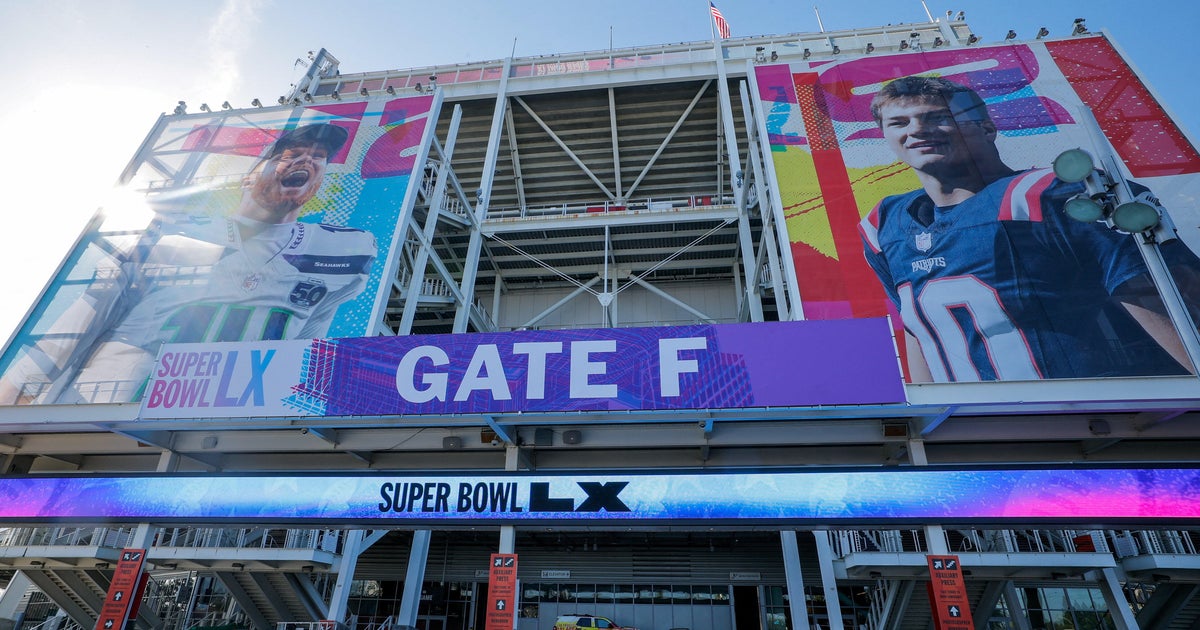
For millions of Americans, attending the Super Bowl represents the ultimate bucket-list experience—a chance to witness sporting history unfold before their very eyes. However, that dream comes with a price tag that would make most people’s wallets weep. The upcoming Sunday matchup between the New England Patriots and Seattle Seahawks carries an entry fee that highlights just how exclusive this experience has become. The cheapest seat available costs approximately four times what the average American worker takes home in a weekly paycheck. This stark comparison underscores a growing trend in professional sports: the increasing divide between the everyday fan and access to premier sporting events. When you factor in airfare, hotel accommodations, meals, and incidentals, a single person’s trip to the Super Bowl can easily breach the five-figure threshold, transforming what should be a celebration of American football into a luxury experience reserved primarily for the wealthy, corporate ticket holders, and those willing to go into serious debt for a few hours of entertainment.
The Ticket Pricing Landscape: Where Your Thousands Go
Recent trends in Super Bowl ticketing reveal a market that operates on an entirely different economic plane than typical sporting events. According to Ticketmaster, the NFL’s official ticketing partner, lower-priced tickets to the championship game have consistently ranged between $4,000 and $6,000 in recent years. As of early February, comparison shopping across major secondary ticket marketplaces painted a picture of remarkable consistency in premium pricing. StubHub listed its cheapest option at $4,447, while Ticketmaster’s entry point sat at $4,840. SeatGeek offered tickets starting at $4,757, TickPick at $4,288, and Vivid Seats claimed the lowest barrier to entry at $4,169. These figures represent just the beginning of the financial commitment required. They don’t account for the logistical nightmare and associated costs of actually getting to the stadium, finding somewhere to sleep, eating, and navigating an unfamiliar city during one of the most expensive weekends it will experience all year.
The Myth of Affordable Face-Value Tickets
On paper, more affordable options do exist—face-value tickets starting at $950 are technically part of the Super Bowl ticketing ecosystem. However, for the average fan hoping to attend, these tickets might as well be mythical creatures. The National Football League maintains control over this tier of tickets, distributing them among all 32 teams in the league. Each participating team receives 12,450 tickets, which sounds like a substantial allocation until you understand where they actually go. These coveted seats are reserved for players who’ve earned their spot on the field, team front-office officials who’ve built the rosters, and occasionally—if fans are extremely fortunate—season-ticket holders who’ve demonstrated years of loyalty and financial support. The reality is that unless you’re connected to a team organization, work in the NFL’s corporate structure, or have a personal relationship with someone who receives these allocations, your chances of securing a face-value ticket are virtually non-existent. This system effectively creates a two-tiered market: insiders who can access tickets at reasonable prices and everyone else who must navigate the secondary market’s inflated landscape.
Navigating the Secondary Market Minefield
For the vast majority of fans determined to attend the Super Bowl, the secondary ticket marketplace represents the only realistic path forward. Platforms like Ticketmaster, StubHub, SeatGeek, TickPick, and Vivid Seats have become the modern-day ticket brokers, connecting desperate buyers with sellers looking to profit from their access or changing plans. However, this convenience comes with significant risks and considerations. Industry experts, including representatives from TickPick, note that prices typically trend downward as game day approaches, creating a high-stakes game of chicken for budget-conscious fans. Do you purchase early and secure your seat with certainty, potentially overpaying by hundreds or thousands of dollars? Or do you wait, gambling that prices will drop, while risking that last-minute buyers will snatch up remaining inventory and drive prices back up? Beyond timing strategy, buyers must also exercise extreme caution regarding legitimacy. Fraudsters have become increasingly sophisticated in posing as authentic ticket sellers, creating professional-looking websites and listings that can fool even savvy consumers. The financial stakes make due diligence absolutely essential—verifying that you’re purchasing from a legitimate, authorized reseller can mean the difference between an unforgettable experience and a devastating financial loss with nothing to show for it.
The Ultra-Premium Experience: Tickets That Cost More Than Cars
While the lower end of Super Bowl ticketing already operates in rarified financial air, the premium seats exist in an entirely different stratosphere of expense. As of early in the week before the game, the most expensive single seat listed on StubHub commanded a staggering $30,751. These prime-location tickets sat behind Seattle’s bench, offering unparalleled proximity to the action and the kind of viewing experience typically reserved for VIPs and corporate executives. However, even that eye-watering figure didn’t represent the ceiling. Just one day later, the top ticket on the same platform had jumped to $40,530—also positioned behind the Seahawks bench. To put this in perspective, this single ticket costs more than many Americans earn in an entire year, more than a decent used car, and approaches the annual cost of attending some private universities. CBS Sports journalist John Breech actually visited the stadium to document the view from these ultra-expensive seats, providing fans with a glimpse of what tens of thousands of dollars can buy. These premium seats represent not just better views but status symbols—visible proof of financial success and access to exclusive experiences that remain forever out of reach for ordinary Americans, regardless of their passion for the sport.
Historical Context and the Trajectory of Super Bowl Economics
Examining Super Bowl ticket prices over time reveals an accelerating trend toward exclusivity and premium pricing. Last year’s championship matchup between the Philadelphia Eagles and Kansas City Chiefs provided a useful comparison point for understanding how prices continue to climb. The most expensive seats, which were also positioned near the Chiefs’ bench in prime viewing territory, reached $22,663 on StubHub—expensive by any measure but nearly $18,000 less than this year’s top tier. Meanwhile, the cheapest seats for last year’s game hovered around $3,000, which seems almost reasonable when compared to this year’s $4,000-plus entry point. This year-over-year increase reflects broader economic forces at work: inflation, increased demand for experiential entertainment over material goods among affluent consumers, corporate spending on client entertainment, and the NFL’s continued success in marketing the Super Bowl as not just a sporting event but a cultural phenomenon. The trajectory suggests that without intervention or market correction, Super Bowl attendance will continue its evolution from accessible fan experience to exclusive luxury event, further distancing the average American football enthusiast from the championship game of the sport they support throughout the season. This transformation raises important questions about the relationship between professional sports leagues and their fan bases, and whether pricing strategies that maximize short-term revenue might ultimately erode the passionate viewership that makes these events valuable in the first place.