


The Luigi Mangione Case: A Legal Battle Over Timing and Double Jeopardy
Courtroom Drama Erupts Over Competing Trial Dates
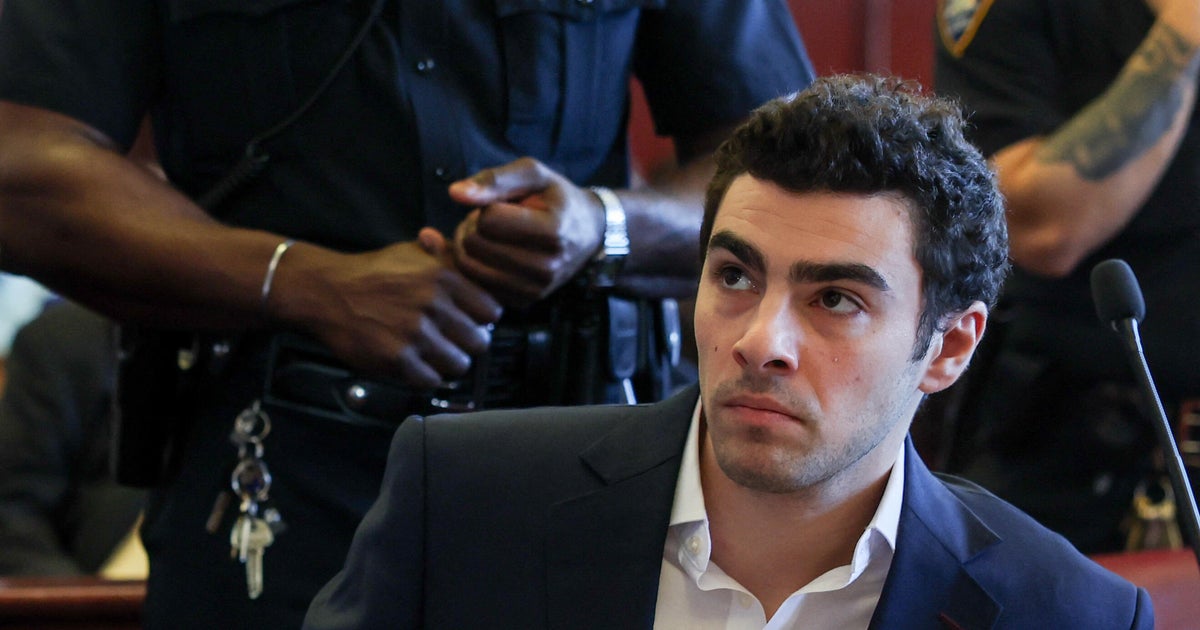
The legal proceedings surrounding Luigi Mangione, the 27-year-old accused of killing UnitedHealthcare CEO Brian Thompson, took a dramatic turn this past Friday when the defendant erupted in frustration over what he perceives as an unfair prosecution. During a hearing in the state court case, Judge presiding over the state trial set June 8 as the start date for New York’s prosecution against Mangione. This announcement came amid ongoing tension between state and federal prosecutors over who would try Mangione first, creating what legal experts are calling an unusual and messy situation. As the hearing concluded, a visibly frustrated Mangione, dressed in tan prison clothing and restrained in handcuffs, couldn’t contain his anger. He shouted out to the courtroom, “It’s the same trial twice. One plus one is two. Double jeopardy by any common sense definition.” His outburst captured the essence of his legal team’s argument: that he’s being subjected to an unconstitutional double prosecution for the same crime. The courtroom, which held approximately two dozen Mangione supporters, witnessed firsthand the defendant’s emotional response to what he and his attorneys view as a fundamental violation of his rights. One supporter even wore a shirt bearing the message “Luigi Mangione: Not in the Epstein files,” highlighting the public interest and conspiracy theories that have surrounded this high-profile case.
The Federal and State Tug-of-War Creates Legal Complexity
The current predicament stems from a complicated dance between federal and state jurisdictions, both seeking to prosecute Mangione for the December 2024 killing of Brian Thompson. The judge overseeing the state case expressed concern that the federal government appeared to have backed out of an agreement to allow the state trial to proceed first. Federal authorities had set September 8 to begin jury selection in their case, with opening statements scheduled for October 13. However, there’s a significant wrinkle in this timeline: the federal trial date might be pushed back if prosecutors appeal a recent ruling that threw out the charges carrying the possibility of the death penalty. In that scenario, the state trial would move to the September 8 slot instead. The judge made it clear to Mangione’s defense team that regardless of these federal complications, they needed to be prepared to proceed with the state trial on June 8. This created an immediate problem for the defense, who had argued that a summer trial date was unreasonable. Earlier in the year, when state prosecutors requested a July 1 trial date, Mangione’s lawyers objected, saying they needed the remainder of the year to adequately prepare for the federal trial. Now they find themselves facing an even earlier date while simultaneously having to prepare for a potential federal prosecution that could begin just months later.
Understanding the Double Jeopardy Argument
Mangione’s outburst about “double jeopardy” touches on a fundamental constitutional protection that prevents someone from being tried twice for the same crime. His defense attorney, Karen Friedman Agnifilo, elaborated on this concern after the hearing, stating, “Double jeopardy is meant to protect people, and they’re using it as a weapon here, so it’s unfair.” The defense team’s position is that their client is being placed in an impossible situation where he must defend himself against essentially the same charges in two different courtrooms within a short time frame. However, legal experts not connected to the case point out that the situation is more nuanced than Mangione’s courtroom declaration suggests. Rich Schoenstein, a legal expert who is not affiliated with the case, explained that parallel federal and state prosecutions happen regularly and don’t automatically constitute double jeopardy. “If he goes to trial in one of these courts and then a jury is sworn in in another court, that is a potential double jeopardy situation, but he’s not subject to double jeopardy yet,” Schoenstein said. “It’s not double jeopardy just because he’s being prosecuted in two different courts. That happens all the time.” The distinction is important: double jeopardy protections typically kick in once a jury is empaneled and jeopardy “attaches” in one case, which could then prevent a second prosecution from moving forward. What makes this situation particularly unusual, according to Schoenstein, is the apparent lack of coordination between prosecutors. Normally, state and federal authorities work together to determine the most appropriate venue and avoid exactly this kind of confusion and duplication of effort. “Now what you have is a mess with two courts racing to try to get to the prosecution of this defendant,” he observed.
Major Victory for Defense: Death Penalty Taken Off the Table
In what represents a significant win for Mangione’s legal team, Federal Judge Margaret Garnett recently dismissed the federal firearms charges that carried the possibility of the death penalty. This ruling came just before the most recent court date and fundamentally changed the stakes of the federal prosecution. While Judge Garnett removed these capital charges, she did leave stalking charges in place, which still carry a maximum sentence of life in prison without the possibility of parole. The practical difference is enormous: Mangione no longer faces execution if convicted in federal court, though he could still spend the rest of his life behind bars. Karen Agnifilo, speaking on behalf of the defense, expressed gratitude for the decision, calling it “incredible” and saying the team was “very relieved.” She emphasized that they had been prepared to fight the case regardless but clearly viewed the removal of the death penalty as a major development. “We’re prepared, and have been prepared, to fight this case, and we look forward to fighting this case,” Agnifilo stated. This ruling also adds another layer to the question of which prosecution should proceed first, as the federal case now carries similar maximum penalties to the state charges rather than the more severe punishment of execution.
Evidence Battle: The Backpack and Its Contents
Another crucial aspect of the pretrial proceedings involves the evidence that authorities recovered from Mangione’s backpack when they arrested him. The contents of that bag—including a 3D-printed handgun, a loaded magazine, a notebook, a map, and what police described as a “survival kit”—could prove central to the prosecution’s case. However, Mangione’s defense team challenged the admissibility of this evidence, arguing that it was obtained through a warrantless search and should therefore be suppressed under Fourth Amendment protections against unreasonable searches and seizures. Judge Garnett ruled in the federal case that the backpack evidence would be admissible, accepting the prosecution’s argument that the search was lawful. Police officers testified that it’s standard procedure to take personal property like a backpack during an arrest for safekeeping and security purposes. They further testified that searching the contents of such items is also standard protocol, both to inventory the belongings and to ensure there are no weapons or dangerous items that could pose a risk. The state court has yet to make a ruling on whether the same evidence can be used in the state trial, with a decision expected to be announced in May. This creates yet another point of uncertainty in an already complicated legal landscape. If the state judge rules differently than the federal judge, it could create a situation where the same physical evidence is admissible in one trial but not the other, potentially affecting the prosecution’s strategy and the likelihood of conviction in each venue.
What Lies Ahead: A High-Profile Case With Uncertain Timeline
Luigi Mangione stands accused of one of the most attention-grabbing crimes of 2024: the shooting death of UnitedHealthcare CEO Brian Thompson outside a Midtown Manhattan hotel. The killing allegedly occurred in broad daylight and sparked a manhunt that crossed state lines before Mangione was apprehended. He has entered not guilty pleas to all charges in both the state and federal cases. The case has attracted significant public interest, as evidenced by the dozens of supporters who showed up to Friday’s hearing. Some observers have noted unusual public sympathy for Mangione in certain quarters, potentially related to widespread frustration with the health insurance industry and its practices. However, prosecutors in both jurisdictions are moving forward with serious charges that could result in Mangione spending the rest of his life in prison if convicted. As things currently stand, the legal calendar remains uncertain. The state trial is set for June 8, but Mangione’s attorneys have made clear they believe this timeline is unreasonable given their need to prepare for both prosecutions. The federal trial is scheduled for September, but that date could shift if prosecutors appeal the decision removing the death penalty charges. The Manhattan District Attorney’s office declined to comment after Friday’s hearing, leaving many questions unanswered about how they plan to coordinate—or compete—with their federal counterparts. What remains clear is that this case represents an unusual collision of state and federal interests, with the defendant caught in the middle of what even neutral legal experts characterize as a “mess.” Whether Mangione’s double jeopardy concerns will ultimately have legal merit may depend on how the competing prosecutions proceed and whether one moves to trial before the other. For now, both sides are preparing for what promises to be a closely watched legal battle that touches on issues of corporate America, healthcare industry practices, and the fundamental rights of criminal defendants.