


The Lightning-Fast World of Olympic Luge: Inside America’s Quest for Gold
Extreme Sledding at Breakneck Speeds
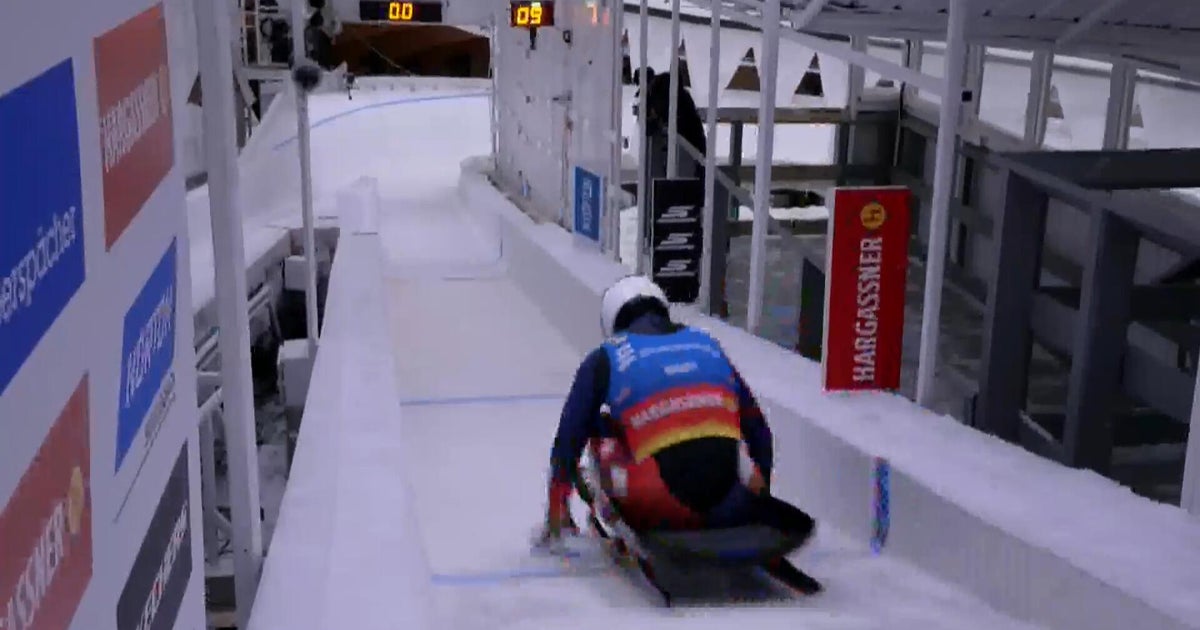
Imagine hurtling down an icy track at speeds exceeding 90 miles per hour with nothing between you and disaster—no brakes, no seatbelt, just you, a specialized sled, and raw courage. This is luge, one of the most thrilling yet often misunderstood sports in the Winter Olympics. For athletes like Jonathan Gustafson of Team USA, every fraction of a second counts, making luge a sport where milliseconds separate champions from also-rans. The 28-year-old American luger offers a refreshingly straightforward explanation of his chosen sport: “I would describe luge as really just extreme sledding. Like anything any kid does when they’re younger, get that plastic tube and down a hill. We’re pretty similar to that, just a lot more advanced.” But don’t let this casual comparison fool you—what these athletes do is far more complex and dangerous than any childhood snow day adventure. Gustafson is preparing to compete in the men’s single luge at the 2026 Milano Cortina Winter Olympics on Saturday, marking his second appearance on the Olympic stage after competing in Beijing in 2022.
The Hidden Complexity Behind the Sport
To the untrained eye, luge might seem deceptively simple—after all, the athletes appear to just lie on their backs while gravity does the work. Gustafson is quick to dispel this common misconception. “I think most people see luge and they’re like, ‘Oh, they just kinda lie there,'” he explains with the patience of someone who’s heard this observation countless times. “There’s a lot of training that goes into it, and a lot you’re doing.” The reality is that luge demands extraordinary physical conditioning, mental fortitude, and technical precision. Every movement an athlete makes on the sled, no matter how minute, can dramatically affect their run time. Gustafson describes how even the smallest adjustments matter: “All the micro movements that you do will turn the sled and make it just ever so slightly, either a little better, a little worse, a little earlier, later into curves or in straightaways.” These micro-adjustments include pushing a shoulder into the sled, lifting slightly at precisely the right moment, and making split-second decisions while traveling at highway speeds on ice. The initial push at the start, the paddle strokes that generate momentum, and every turn navigated with millimeter precision all combine to determine whether an athlete stands on the podium or goes home empty-handed. In a sport where races are often decided by hundredths of a second, mastering these subtle techniques separates Olympic hopefuls from Olympic medalists.
A Teenage Discovery That Changed Everything
Gustafson’s journey to Olympic competition began in a way that many great athletic careers do—through a friend’s recommendation and parents willing to try something new. At just 11 years old, he discovered luge through USA Luge’s slider search program, a national recruitment initiative designed to identify and develop young talent across the country. “One of my friends was doing it and he told me about it and I asked my parents if we could go,” Gustafson remembers. “And they said, sure, why not, not thinking anything of it. And here we are, 16 years later.” What started as a casual weekend activity for a curious pre-teen transformed into a life-defining passion and eventually a path to representing the United States on the world’s biggest sporting stage. The slider search program that introduced Gustafson to luge serves a crucial role in identifying athletic talent that might otherwise never discover the sport, particularly important given that luge isn’t exactly a backyard activity for most American children. Unlike more accessible winter sports like skiing or ice skating, luge requires specialized facilities and equipment, making grassroots recruitment programs essential for the sport’s growth and sustainability in the United States.
The Addictive Rush of High-Speed Competition
What keeps an athlete committed to a sport for 16 years, enduring countless hours of training, physical punishment, and the constant pressure of competition? For Gustafson, the answer lies in the pure, concentrated thrill that each run delivers. “Each run is only 40 to 60 seconds where you really hit those top speeds and you’re experiencing those high g-forces,” he explains. “It’s such a ride. I’ve been doing this sport for 16 years now and I still love going down the track just about every time.” This enduring passion speaks to something fundamental about the luge experience—despite the dangers, the pressure, and the demanding training regimen, there’s an almost addictive quality to the rush of competition. In those 40 to 60 seconds, athletes experience a unique combination of speed, precision, and physical sensation that few other sports can match. The g-forces Gustafson mentions can reach up to 5 Gs in some turns, meaning athletes feel five times their normal body weight pressing against them as they navigate the track’s curves. This intense physical experience, combined with the mental challenge of making split-second decisions at extreme speeds, creates a sporting experience unlike any other. For those who love it, luge becomes more than just a sport—it’s a calling that keeps pulling them back to the ice track year after year.
Building America’s Luge Legacy
The United States luge program faces a unique challenge and opportunity at the 2026 Milano Cortina Winter Olympics. The current Team USA roster consists of 11 dedicated athletes, all working toward a historic goal: winning the country’s first-ever Olympic gold medal in luge. This quest for gold represents not just individual athletic achievement but the culmination of decades of program development, facility investment, and athlete recruitment. USA Luge has made significant efforts to promote and grow the sport domestically, recognizing that building a strong competitive program requires more than just training elite athletes—it requires creating a pipeline of interested participants and engaged fans. The organization’s approach to development reflects a long-term vision for American success in the sport, understanding that today’s recreational sliders might become tomorrow’s Olympic medalists.
Opening Doors to the Next Generation
One of the most innovative aspects of USA Luge’s growth strategy is its commitment to public accessibility and education. At the organization’s facility in Lake Placid, New York—one of America’s premier winter sports destinations—visitors aren’t just spectators; they’re invited to become participants. The facility features an indoor track where anyone can try sliding and experience the sport firsthand. This hands-on approach serves multiple purposes: it demystifies luge for the general public, creates memorable experiences that build fan engagement, and most importantly, introduces the sport to potential future athletes who might never otherwise encounter it. By lowering the barriers to entry and creating opportunities for ordinary people to experience what Olympic athletes do (albeit in a much safer, controlled environment), USA Luge is investing in the sport’s future. Every child who tries luge at Lake Placid, every visitor who feels the thrill of sliding on ice, represents a potential future Olympian—or at the very least, a new fan who will watch with greater appreciation and understanding when athletes like Jonathan Gustafson compete on the world stage. As the 2026 Olympics approach, these grassroots efforts combined with elite athlete development position American luge for both immediate competitive success and long-term growth, potentially transforming the sport’s profile in a country where winter sports often take a backseat to more traditional athletic pursuits.