


Houston Transplant Surgeon Faces Federal Charges for Allegedly Falsifying Patient Records
A Trusted Doctor Accused of Betraying His Patients
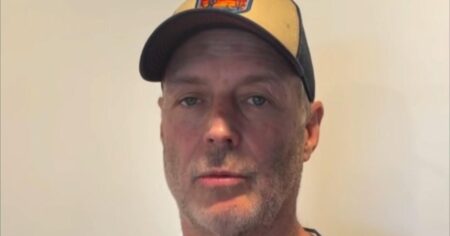
A highly respected Houston liver transplant surgeon now faces serious federal criminal charges that have sent shockwaves through the medical community. Dr. John Stevenson Bynon Jr., who served as director of abdominal organ transplantation and surgical director for liver transplantation at Memorial Hermann Health System in Houston, was indicted by a federal grand jury last month on five counts of making false statements relating to health care matters. The indictment, made public on Thursday, accuses Dr. Bynon of deliberately falsifying medical records for five critically ill patients who were desperately waiting for liver transplants—a betrayal that federal prosecutors say may have cost lives and stolen hope from some of the most vulnerable people under his care.
The accusations against Dr. Bynon are particularly heartbreaking because of what happened to these patients. Of the five individuals detailed in the indictment, three died while under his care or shortly after the alleged falsifications. Two others eventually managed to receive liver transplants, but only after transferring their care to different hospitals. According to court records, the patients themselves, their families, and even other members of their medical care teams had no idea that Dr. Bynon had allegedly made false statements in their medical records. These families trusted this surgeon with their loved ones’ lives, believing he was doing everything possible to help them survive their medical crises, when in reality, prosecutors allege, his actions were actively harming their chances of receiving the organs they desperately needed.
The Severity of the Allegations and Their Impact
U.S. Attorney Nicholas J. Ganjei didn’t mince words when describing the gravity of these charges. “Dr. Bynon is alleged to have betrayed the most sacred duty of a medical professional – to heal,” Ganjei said in a statement following the indictment. “He stole years and hope from those who trusted him most by falsifying records and preventing patients from receiving organ transplants.” The language reflects not just the legal violations involved, but the profound ethical breach these allegations represent. When someone is facing organ failure, a transplant often represents their only chance at survival. To be on a transplant waiting list means living each day wondering if this will be the day you get the call that could save your life. The allegations suggest that Dr. Bynon’s actions robbed these patients of that possibility without their knowledge.
The indictment details a pattern of alleged misconduct that took place over approximately one year, from March 2023 to March 2024. During this time, prosecutors claim Dr. Bynon manipulated patient records in ways that made them ineligible to receive donor organ offers. One patient was rendered ineligible for approximately 149 days—nearly five months—and ultimately died in February 2024 while still under Dr. Bynon’s care. Another patient was made ineligible for about 69 days and died in December 2023 during surgery to receive a new liver. Perhaps most tragic is the case of a patient who required “urgent liver transplantation” and died in December 2023, just two days after Dr. Bynon allegedly entered false donor matching criteria that “severely restricted” the patient’s eligibility or made them “functionally ineligible to receive a lifesaving donor organ offer.” For patients and families in these situations, every day matters, and every delay can mean the difference between life and death. The Department of Justice noted that “many patients remained ineligible for months without knowing they could not receive organ offers during that time.”
The Defense Maintains Innocence
Dr. Bynon’s attorney, Samy Khalil, appeared with his client at the federal courthouse on Thursday afternoon for the doctor’s initial court appearance and spoke to reporters afterward, vigorously defending his client’s reputation and actions. Khalil emphasized Dr. Bynon’s extensive experience and expertise, noting that over his 40-year career, the surgeon has performed more than 2,000 transplants—a remarkable record that speaks to decades of saving lives. “Nothing he did was unlawful. Everything that he did was lawful and in good faith,” Khalil insisted. The attorney went further, expressing confidence that they would prevail in court and suggesting that prosecutors fundamentally misunderstand the medical issues at the heart of the case. “We look forward to clearing his name in a court of law and educating, frankly, the government on the medical concepts that undergird this totally, totally misguided prosecution,” Khalil said.
This defense strategy appears to suggest that what prosecutors view as criminal falsification of records may have been legitimate medical decision-making that outsiders simply don’t understand. The tension between medical judgment and potential criminal conduct will likely be central to this case as it moves through the legal system. What’s notably absent from both the indictment and the public statements by prosecutors is any clear explanation of why Dr. Bynon would have allegedly taken these actions. The U.S. Attorney’s Office declined to detail a possible motive, and a spokeswoman for the office, Angela Dodge, declined to comment beyond what was included in official documents. This leaves many questions unanswered: Was this about hospital statistics? Personal beliefs about which patients should receive transplants? Medical disagreements with other practitioners? Or something else entirely? Without understanding the “why,” it’s difficult for the public to fully grasp what allegedly happened.
Institutional Fallout and Ongoing Civil Litigation
The consequences of these allegations have extended far beyond Dr. Bynon himself. Memorial Hermann Health System and UTHealth Houston, which employs Dr. Bynon, have found themselves at the center of a crisis of confidence. When the accusations against Dr. Bynon first became public in April 2024, Memorial Hermann made the dramatic decision to shut down its entire liver and kidney transplant program—a decision that itself affected other patients who were counting on that program for their care. The program remained shuttered for a full year before Memorial Hermann reactivated it in April 2025. The disruption to patients who had built relationships with the transplant team and were on waiting lists cannot be overstated.
The institutional reckoning continues. In February 2025, the Organ Procurement and Transplantation Network, which manages the nation’s organ donation program, declared Memorial Hermann a member not in good standing. This designation represents the most severe action the transplantation network can take and serves as a public warning that the organization has identified serious lapses in patient safety or quality of care. For a major medical center like Memorial Hermann, this designation is professionally devastating and raises questions about oversight and accountability that will take years to fully address. Meanwhile, neither Memorial Hermann Health System nor UTHealth Houston responded to requests for comment following the indictment.
Adding to the complexity of the situation, families of several patients who died while waiting for liver transplants have filed lawsuits against Dr. Bynon in Houston civil court. These families are seeking answers to the heartbreaking question of whether their loved ones were denied potentially lifesaving liver transplants because of Dr. Bynon’s alleged actions. These lawsuits remain pending, and while they’re separate from the criminal case, they represent another avenue through which the truth of what happened may eventually emerge. For these families, the legal process is about more than money—it’s about understanding whether their loved ones’ deaths could have been prevented and holding accountable those responsible if wrongdoing occurred.
The Human Cost at the Center of It All
What makes this case particularly troubling is the vulnerability of the patients involved. People facing organ failure are literally fighting for their lives. They place enormous trust in their medical teams because they have no choice—they’re dependent on these professionals for survival. As Acting Special Agent in Charge Jason Hudson of the FBI Houston Field Office noted, “Ultimately, at the center of this case are vulnerable patients who hung their hope of survival on a nationally renowned surgeon now federally charged for manipulating their medical records.” The betrayal alleged here cuts to the core of the doctor-patient relationship.
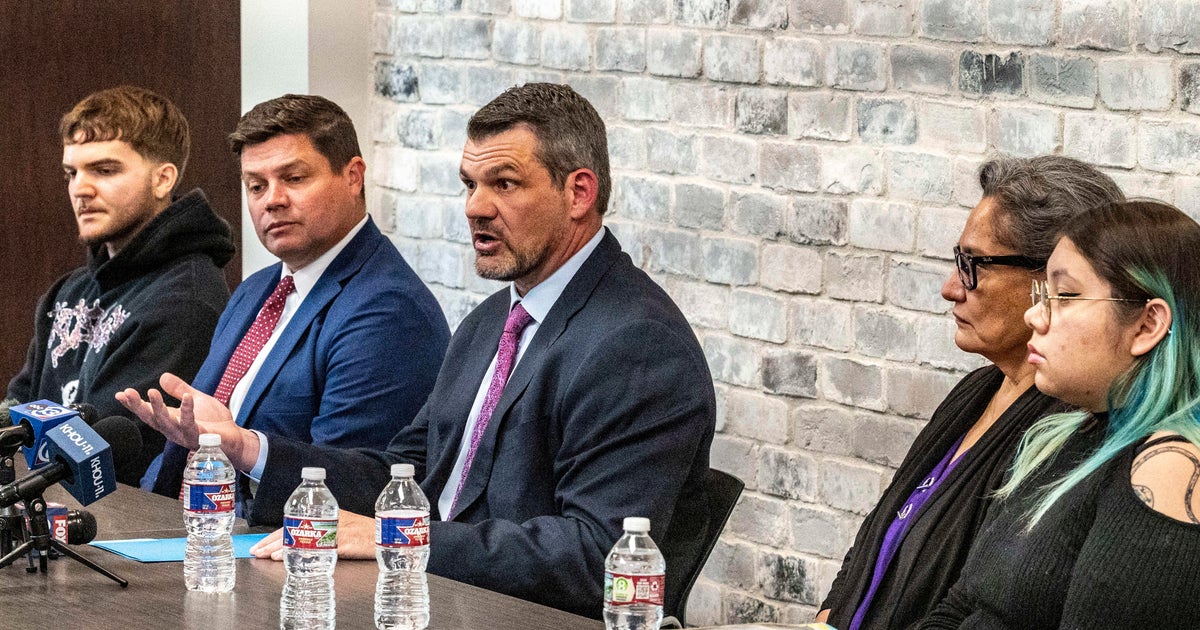
In 2024, CBS Houston affiliate KHOU-TV spoke with family members of patients whose medical records were allegedly falsified by Dr. Bynon. They described the devastating experience of watching their loved ones’ conditions worsen after being unexpectedly removed from the transplant waiting list—a removal that happened without explanation and without their knowledge of the alleged falsifications. Imagine being told your family member is on the list, waiting for that life-saving call, only to later discover they had been made ineligible and that precious time—time they didn’t have to spare—had been wasted. For patients who did eventually get transplanted elsewhere, the delay could have meant unnecessary deterioration of their health. For those who died, families are left wondering if things might have been different if the alleged falsifications hadn’t occurred.
If convicted on all counts, Dr. Bynon faces up to five years in federal prison and fines of up to $250,000 for each of the five counts—potentially $1.25 million total. But beyond the potential punishment for Dr. Bynon, this case raises broader questions about oversight in transplant programs, how patient eligibility decisions are made and reviewed, and what safeguards exist to protect vulnerable patients from potential abuse of power. The organ transplant system depends on trust and transparency because organs are such a scarce resource and the stakes are literally life and death. Any erosion of that trust threatens the system as a whole. As this case proceeds through the courts, it will be watched closely not just in Houston but throughout the medical community nationwide, as doctors, ethicists, patients, and families all seek to understand what allegedly went wrong and how such a situation could be prevented in the future.