

Bad Bunny Takes Center Stage: The 2026 Super Bowl Halftime Show
A Historic Moment for Latin Music and Culture
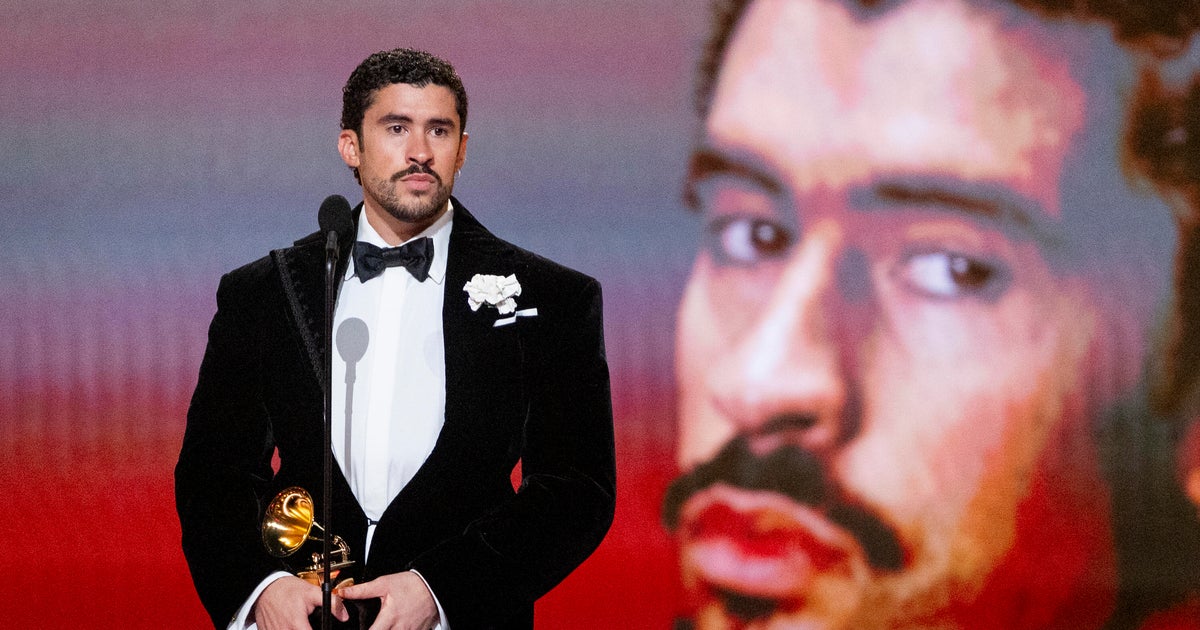
The 2026 Super Bowl is shaping up to be a landmark event in more ways than one. As the New England Patriots and Seattle Seahawks prepare for their highly anticipated rematch of Super Bowl XLIX, all eyes are turning to the halftime entertainment, where Puerto Rican superstar Bad Bunny will make history as the first native Spanish speaker to headline the show. The announcement, made jointly by the NFL, Apple Music, and Roc Nation back in September, comes at an extraordinary moment in the artist’s career. Just days before speaking at a press conference about his upcoming performance, the 31-year-old musician, whose real name is Benito Antonio Martínez Ocasio, achieved a groundbreaking feat at the Grammy Awards. He took home two of music’s most prestigious honors: Best Música Urbana Album and the coveted Album of the Year for his record “DeBÍ TiRAR MáS FOToS.” This marked the first time in Grammy history that an entirely Spanish-language album won the night’s biggest award, cementing Bad Bunny’s place not just as a Latin music icon, but as a global musical force transcending language barriers.
At a Thursday press conference hosted by Apple Music at Levi’s Stadium in Santa Clara, California, where the game will be held, Bad Bunny reflected on the whirlwind nature of his recent success. “To be honest, I don’t know how I’m feeling. There’s a lot. I’m still in the middle of my tour. I was just at the Grammys last week. All of that,” he admitted with characteristic humility. Despite the enormity of the moment, the artist emphasized that his excitement stems more from what this opportunity means for others than for himself personally. “I’m excited, but at the same time, I feel more excited about the people than even me — my family, my friends, the people who have always believed in me,” he shared. “This moment, the culture — that’s what makes these shows special.” This sentiment captures the essence of what Bad Bunny’s halftime performance represents: not just a personal achievement, but a celebration of Puerto Rican culture and Latin music on one of the world’s biggest stages.
What to Expect from the Performance
While Bad Bunny remained characteristically tight-lipped about the specific details of his halftime show, he offered tantalizing hints about what viewers can expect. “It’s going to be a huge party,” he promised enthusiastically. “I want to bring to the stage, of course, a lot of my culture. But I really don’t, I don’t want to give any spoilers. It’s going to be fun.” The artist’s commitment to keeping surprises under wraps has only heightened anticipation for the performance, leaving fans to speculate about what musical journey he’ll take the estimated hundreds of millions of viewers on. What is confirmed, however, is that the performance will include an important element of cultural representation and accessibility: interpreter Celimar Rivera Cosme will be providing Puerto Rican Sign Language throughout the show, ensuring that the performance is inclusive and accessible to deaf and hard-of-hearing members of the Puerto Rican community and beyond.
When asked whether other artists might join him onstage for the performance, Bad Bunny kept those cards close to his chest as well. Given the Super Bowl halftime show’s tradition of surprise guest appearances and the collaborative nature of modern music, speculation is running wild about who might make a cameo. The halftime show has become legendary for its ability to create water-cooler moments that dominate social media and news coverage for days afterward, and Bad Bunny seems keenly aware of the pressure and opportunity that comes with this platform. His approach appears to balance respect for the tradition and scale of the Super Bowl with his own authentic artistic vision, promising something that will honor his roots while delivering the spectacle that the event demands.
Navigating Controversy and Standing Firm
Bad Bunny’s selection as halftime performer hasn’t been without controversy, though the NFL and its Commissioner Roger Goodell have consistently stood by the choice. The announcement prompted criticism from some quarters, including from President Trump, and another wave of backlash emerged when Bad Bunny said “ICE out” during one of his Grammy acceptance speeches last week. These responses have highlighted the cultural and political tensions that can arise when an artist with a clear social conscience and cultural identity takes such a prominent platform. However, Goodell has repeatedly defended the selection with unwavering support. “I’m not sure we’ve ever selected an artist where we didn’t have some blowback or criticism. It’s pretty hard to do when you have literally hundreds of millions of people that are watching,” the Commissioner noted in October, acknowledging the impossibility of pleasing everyone with such a high-profile choice.
Goodell went further, emphasizing the reasoning behind the selection: “He’s one of the leading and most popular entertainers in the world. That’s what we try to achieve. It’s an important stage for us. It’s an important element to the entertainment value.” After Bad Bunny’s Grammy comments, Goodell addressed the situation directly with reporters, saying, “Bad Bunny is, and I think that was demonstrated last night, one of the great artists in the world, and that’s one of the reasons we chose him.” The Commissioner also expressed confidence that Bad Bunny understands the unique nature of the Super Bowl platform: “But the other reason is he understood the platform he was on, and that this platform is used to unite people, and to be able to bring people together with their creativity, with their talents, and to be able to use this moment to do that. And I think artists in the past have done that. I think Bad Bunny understands that, and I think he’ll have a great performance.” This statement reflects the NFL’s belief that entertainment and cultural expression can coexist with the unifying spirit that sports, at their best, can embody.
A Full Lineup of Stellar Performers
While Bad Bunny will undoubtedly be the centerpiece of the Super Bowl’s entertainment offerings, the 2026 game features an impressive roster of performers for various segments of the event. Kicking things off at the opening ceremony will be Green Day, the legendary Bay Area-based punk rock trio. Having the local heroes perform adds a special connection to the Santa Clara venue and gives the event a distinctly California flavor. For the national anthem, the NFL has tapped Charlie Puth, the 34-year-old singer who rose to fame by posting videos of himself singing on YouTube and has since released four albums and earned four Grammy nominations. Despite his success and vocal prowess, Puth has called “The Star Spangled Banner” “one of the most beautiful pieces of music” while also acknowledging it’s “the hardest to sing,” demonstrating both respect for the honor and awareness of the challenge ahead.
The pre-game ceremony will also feature two additional powerful performances. Eleven-time Grammy winner Brandi Carlile will deliver “America the Beautiful,” bringing her soaring vocals and emotional depth to the patriotic standard. Meanwhile, Grammy-winning singer Coco Jones will perform “Lift Every Voice and Sing,” widely known as the Black national anthem, continuing the Super Bowl’s recent tradition of including this important song in its pre-game festivities. This diverse lineup of performers reflects the NFL’s ongoing effort to represent the breadth of American musical talent and cultural expression, setting the stage for Bad Bunny’s historic halftime performance. Together, these artists will create a tapestry of musical styles and cultural perspectives that mirrors the diversity of the game’s massive audience.
The Significance of This Cultural Moment
Bad Bunny’s halftime performance represents far more than just another celebrity taking the Super Bowl stage. It’s a watershed moment for Latin music, Puerto Rican culture, and the increasing recognition of Spanish-language artistry in mainstream American entertainment. For decades, Latin artists have made significant contributions to the global music landscape, but they’ve often been relegated to niche categories or expected to perform primarily in English to reach the widest audiences. Bad Bunny has shattered those expectations throughout his career, consistently releasing music primarily in Spanish while achieving unprecedented crossover success. His Super Bowl performance sends a powerful message about cultural authenticity, the value of linguistic diversity, and the universal language of music that transcends words.
The timing of this performance, coming just days after his historic Grammy wins, creates a perfect storm of cultural significance. The fact that an all-Spanish album won Album of the Year at the Grammys and that a primarily Spanish-language artist will headline the Super Bowl halftime show in the same week represents a seismic shift in how American popular culture recognizes and celebrates diversity. For Puerto Rico, which has faced numerous challenges in recent years, from devastating hurricanes to economic struggles and political tensions, seeing one of their own celebrated on this scale provides a moment of pride and visibility. Bad Bunny has consistently used his platform to advocate for his homeland and its people, and this performance will undoubtedly continue that tradition while introducing millions to the richness of Puerto Rican culture. As the artist himself noted, this moment is special not because of him alone, but because of what it represents for “the culture” – a validation, a celebration, and an invitation to the world to experience the vibrant traditions and contemporary creativity of Latin communities.