

High-Stakes Nuclear Talks in Oman: Iran and U.S. Navigate Tense Waters
Military Muscle and Diplomatic Maneuvering
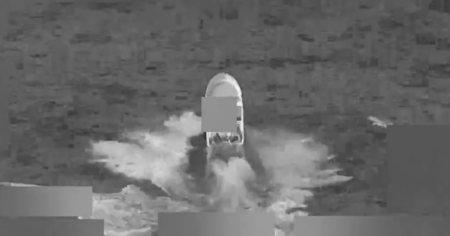
The ancient Omani capital of Muscat became the backdrop for a delicate diplomatic dance last Friday, as Iranian and American representatives gathered for indirect talks about Tehran’s nuclear program. What made these negotiations particularly striking wasn’t just the familiar diplomatic choreography, but the unprecedented presence of a military heavyweight at the table. U.S. Navy Admiral Brad Cooper, head of Central Command, sat in his dress uniform—a visual reminder that American military might, including the aircraft carrier USS Abraham Lincoln and its accompanying fleet, loomed just off Iran’s coast in the Arabian Sea. This wasn’t your typical diplomatic gathering. President Trump has been vocal about his willingness to use military force if Iran doesn’t come to terms on its nuclear program, even describing an “armada” of American warships ready for deployment. Yet he’s also expressed hope that such drastic measures won’t be necessary. For Gulf Arab nations watching nervously from the sidelines, the prospect of U.S. military action is terrifying—it could ignite a regional war that would inevitably pull them into the conflict. The tension isn’t just rhetorical either. Days before these talks, U.S. forces shot down an Iranian drone near the Lincoln, and Iran made moves to intercept a U.S.-flagged vessel in the strategically vital Strait of Hormuz, just north of where these diplomatic conversations were taking place.
Iran’s Call for Calm Negotiations
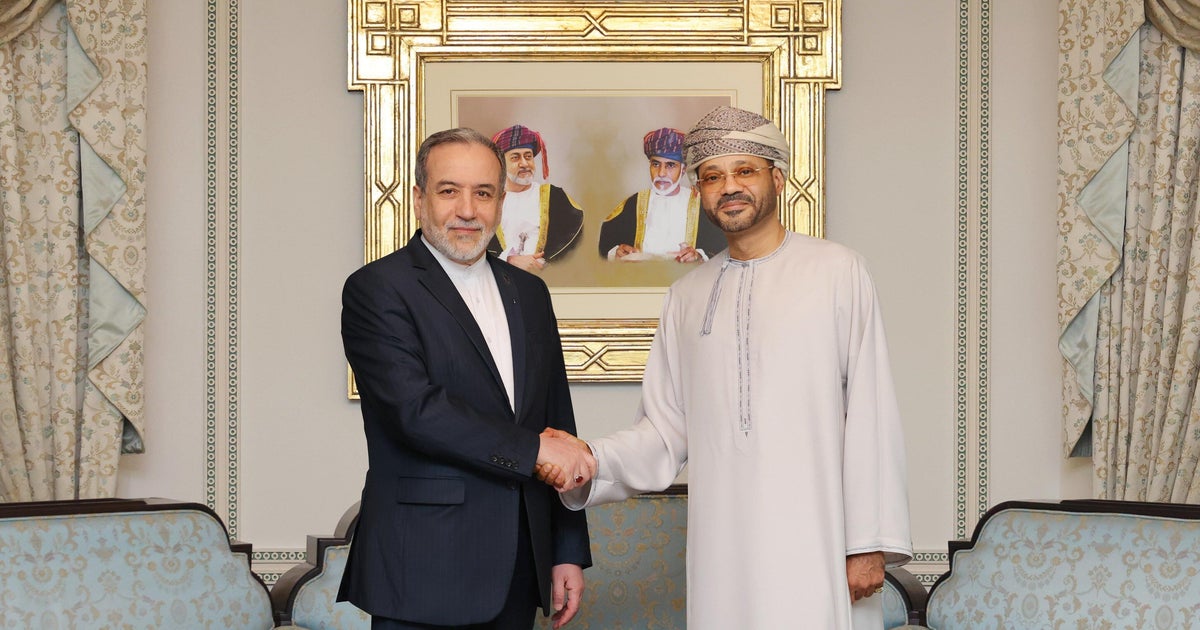
Iranian Foreign Minister Abbas Araghchi emerged from the talks with a clear message: you can’t negotiate effectively under the shadow of threats and military pressure. Speaking to journalists in Muscat, he emphasized that resolving nuclear issues requires “a calm atmosphere, without tension and without threats.” His comments reflected Iran’s fundamental position that dialogue can only move forward if the United States pulls back on its aggressive posturing. “The prerequisite for any dialogue is refraining from threats and pressure,” Araghchi stated plainly, making it clear that Iran expects this condition to be met before meaningful progress can happen. This wasn’t just diplomatic posturing—it represented a genuine Iranian concern that negotiations conducted under duress wouldn’t produce lasting results. The Americans, represented by Mideast special envoy Steve Witkoff and Jared Kushner, President Trump’s son-in-law, kept their cards close to their chest, offering no immediate public comments about how the talks went. Araghchi indicated that diplomats would be heading back to their respective capitals, signaling that this particular round of negotiations had concluded without any breakthrough agreements.
Cautious Steps Toward Framework Building
Despite the obvious tensions, Araghchi offered a sliver of optimism in an interview with Iranian state television from Muscat. He described the talks as unfolding over multiple sessions focused primarily on establishing a framework for future negotiations rather than hammering out specific agreements. “We will hold consultations with our capitals regarding the next steps, and the results will be conveyed to Oman’s foreign minister,” he explained, suggesting that both sides were taking a measured, step-by-step approach. One of the most significant obstacles, according to Araghchi, is the deep mistrust that has developed between the two nations over years of confrontation and broken promises. “The mistrust that has developed is a serious challenge facing the negotiations,” he acknowledged. “We must first address this issue, and then enter into the next level of negotiations.” This recognition of trust as a foundational problem highlights just how far apart the two sides really are—before they can even discuss technical nuclear details, they need to believe the other side will keep its word.
Oman’s Mediating Role and the Road Ahead
Oman, which has a long history of serving as a neutral intermediary between Iran and Western powers, once again played host to these sensitive discussions. Omani Foreign Minister Badr al-Busaidi, who had overseen previous negotiation rounds before Israel’s 12-day war on Iran last June, characterized the talks as “useful to clarify both the Iranian and American thinking and identify areas for possible progress.” However, even Oman’s official description of the meetings was modest, framing them as a means to establish “the requisite foundations for the resumption of both diplomatic and technical negotiations” rather than presenting them as a path toward an immediate deal or tension reduction. Interestingly, these talks took a different shape than originally planned. They were initially expected to happen in Turkey with regional countries participating and covering broader topics including Iran’s ballistic missile program. But Iran apparently pushed back, insisting on focusing exclusively on its nuclear program. This narrower scope reflects Tehran’s strategy of controlling the negotiation agenda and avoiding discussions it considers non-negotiable aspects of its defense capabilities.
The Nuclear Program’s Current State and Concerns
The technical aspects of Iran’s nuclear program add urgency to these negotiations. Before last June’s war with Israel, Iran had been enriching uranium to 60% purity—a level that puts it within relatively easy reach of weapons-grade material. The International Atomic Energy Agency (IAEA), the United Nations’ nuclear watchdog, has noted that Iran is the only country enriching to this level that doesn’t already possess nuclear weapons. Making matters more complicated, Iran has refused IAEA requests to inspect facilities that were bombed during the June conflict, raising red flags among nonproliferation experts who worry about what might be hidden from international scrutiny. This inspection standoff didn’t start recently. Ever since President Trump unilaterally withdrew the United States from the 2015 nuclear deal in 2018—an agreement painstakingly negotiated during the Obama administration between Iran and world powers—Tehran has increasingly restricted IAEA access to its nuclear facilities. According to reports from Al Jazeera, diplomats from Egypt, Turkey, and Qatar have floated a proposal asking Iran to halt enrichment for three years, ship its highly enriched uranium out of the country, and pledge not to initiate ballistic missile attacks. Russia has reportedly signaled willingness to take the uranium, but Iranian officials have flatly rejected the idea of ending their enrichment program or sending stockpiled uranium abroad, calling these proposals nonstarters.
The Uncertain Path Forward
The practical details of Friday’s meetings revealed the careful choreography of indirect talks. Associated Press journalists observed Iranian officials arriving first at a palace near Muscat’s international airport—the same venue used for earlier Iran-U.S. talks in 2025—before returning to their hotel. Only then did American representatives arrive separately, highlighting the “indirect” nature of these negotiations where the parties avoid direct face-to-face meetings. This physical separation mirrors the diplomatic distance that still separates Washington and Tehran. U.S. Secretary of State Marco Rubio laid out America’s position clearly on Wednesday, insisting that any comprehensive deal must address not just nuclear enrichment but also Iran’s ballistic missile program and other security concerns. His candid assessment captured the skepticism many in Washington feel: “I’m not sure you can reach a deal with these guys, but we’re going to try to find out.” That statement perfectly encapsulates where things stand—cautious, uncertain, but with both sides apparently willing to at least explore whether common ground exists. As diplomats head back to Washington and Tehran to consult with their governments, the world watches to see whether these talks represent a genuine opportunity for de-escalation or just another chapter in the long, troubled relationship between Iran and the United States. With military forces positioned nearby and decades of mistrust to overcome, the path forward remains anything but clear.