


Trump’s New Beef Import Deal with Argentina: A Double-Edged Sword for American Consumers and Ranchers
A Major Shift in U.S. Beef Trade Policy
President Trump is poised to dramatically reshape America’s beef import landscape with a new executive order expected to be signed this Friday. The agreement with Argentina represents a massive expansion of beef imports, quadrupling the current amount allowed into the United States from the South American nation. According to senior administration officials, this trade deal will open the door for an additional 100,000 tons of Argentine beef to enter the American market annually. Argentina’s Foreign Ministry has hailed the agreement as “unprecedented,” estimating that it will boost their beef exports by a staggering $800 million. This represents one of the most significant bilateral trade adjustments in the agricultural sector in recent years, and it signals a clear priority from the Trump administration: bringing down the skyrocketing cost of beef for American families who have been struggling with grocery bills that seem to climb higher every month.
The timing of this executive action is no coincidence. American consumers have watched helplessly as beef prices have reached historic heights, creating real financial strain for families across the country. The administration’s strategy is straightforward—increase supply through imports to help drive down prices at the grocery store. However, this solution has sparked intense controversy, particularly among those who make their living raising cattle right here in the United States. The debate encapsulates a classic economic dilemma: how to balance the immediate needs of consumers seeking affordable food with the long-term viability of domestic agriculture and the livelihoods of American farmers and ranchers who have built their lives around cattle production.
Understanding the Beef Price Crisis Facing American Families
To fully grasp why the Trump administration feels compelled to take such dramatic action, it’s essential to understand just how severe the beef price situation has become for ordinary Americans. According to data from the Federal Reserve, beef prices climbed to an eye-watering $6.68 per pound this past December—a record high that represents the most expensive beef has ever been since the Department of Labor began systematically tracking these prices back in 1984. That’s four decades of data, and we’re now living through the peak of beef costs. For families trying to put quality protein on the dinner table, this has meant making difficult choices—either paying significantly more for the same cuts of meat they’ve always purchased, switching to cheaper alternatives, or simply buying less beef altogether. The ripple effects have been felt across household budgets nationwide, contributing to the broader sense of economic anxiety that has characterized recent years.
This price surge didn’t happen overnight. Over the past several years, multiple factors have converged to drive beef costs upward. Supply chain disruptions, increased feed costs for cattle ranchers, labor shortages in meat processing facilities, and various market dynamics have all played a role in creating this perfect storm of rising prices. For the administration, facing public frustration over grocery costs, the pressure to demonstrate action and provide relief has been intense. The decision to dramatically increase beef imports from Argentina represents their answer to this challenge—a supply-side solution aimed at flooding the market with more product in hopes that increased availability will naturally bring prices down according to basic economic principles of supply and demand.
The Cattle Ranchers’ Perspective: A Betrayal of American Agriculture
While consumers might welcome any potential relief at the checkout counter, American cattle ranchers see this import expansion as nothing short of a betrayal. The National Cattlemen’s Beef Association, which serves as the primary voice for U.S. cattle producers, has been vocally and emphatically opposed to this move, characterizing it as a “misguided effort” that threatens to undermine an entire sector of American agriculture. In their statement from October, when news of the expanded import plan first surfaced, the organization made clear they “cannot stand behind the President while he undercuts the future of family farmers and ranchers by importing Argentinian beef in an attempt to influence prices.” This isn’t just political posturing—it represents genuine concern from people whose entire livelihoods depend on selling the cattle they raise.
Colin Woodall, CEO of the National Cattlemen’s Beef Association, has been particularly pointed in his criticism, arguing that flooding the American market with foreign beef will do serious damage to domestic ranchers while providing minimal benefit to consumers at the grocery store. The organization’s position is that the administration should “let the cattle markets work” rather than intervening with what they view as market distortions through massive import increases. From the ranchers’ perspective, this policy creates an unfair competitive disadvantage. They operate under American regulations, labor laws, environmental standards, and cost structures, while now being asked to compete with significantly increased volumes of imported beef that may be produced under different circumstances. The concern isn’t just about short-term price competition—it’s about the long-term viability of American cattle ranching as a profession and way of life. Many ranch families have been in the business for generations, and they fear this policy could accelerate consolidation in the industry, driving smaller operations out of business entirely.
President Trump’s Complicated Relationship with Cattle Ranchers
The tension between President Trump and the cattle ranching community over this issue reveals a complicated and somewhat contradictory relationship. Back in October, Trump took to Truth Social to express frustration with ranchers, essentially telling them they should be grateful for his previous policies and urging them to “get their prices down” voluntarily. In his characteristic direct style, Trump wrote: “The Cattle Ranchers, who I love, don’t understand that the only reason they are doing so well, for the first time in decades, is because I put Tariffs on cattle coming into the United States. If it weren’t for me, they would be doing just as they’ve done for the past 20 years — Terrible! It would be nice if they would understand that.” This statement captures the president’s apparent frustration that an industry he believes he helped protect through tariff policies wasn’t responding to his appeals to lower prices voluntarily, prompting him to pursue this alternative approach through dramatically increased imports.
This dynamic highlights one of the central tensions in Trump’s trade policy approach—balancing protectionist instincts that favor American producers with populist concerns about consumer prices. The president clearly sees himself as having been a friend to ranchers through his previous tariff policies, which he credits with improving their economic situation after decades of struggle. However, when faced with public pressure over high beef prices, his priority shifted to providing consumer relief, even if it meant undermining some of those same protections. This policy whiplash has left many in the ranching community feeling confused and abandoned, unsure whether the administration views them as an industry to be protected or as an obstacle to lowering consumer prices. The reality is that this trade deal represents a clear choice by the administration to prioritize the interests of beef consumers—the majority of Americans—over the concerns of beef producers, a much smaller but economically vital constituency.
Beyond Beef: The Broader Trade Implications with Argentina
While beef imports have captured the headlines, the new trade agreement between the United States and Argentina extends well beyond cattle. According to the terms of the deal, the U.S. plans to remove reciprocal tariffs on a variety of goods imported from Argentina, including pharmaceutical ingredients—a significant category given ongoing concerns about supply chain resilience for critical medicines. The agreement also includes provisions to review existing tariffs on steel and aluminum imports from Argentina, potentially opening another significant trade channel between the two nations. These additional components of the deal suggest a broader strategic interest in deepening economic ties with Argentina beyond just addressing domestic beef prices. The pharmaceutical ingredients provision, in particular, reflects growing recognition that the United States needs to diversify its sources for critical medical supplies, a lesson reinforced by the vulnerabilities exposed during recent global disruptions.
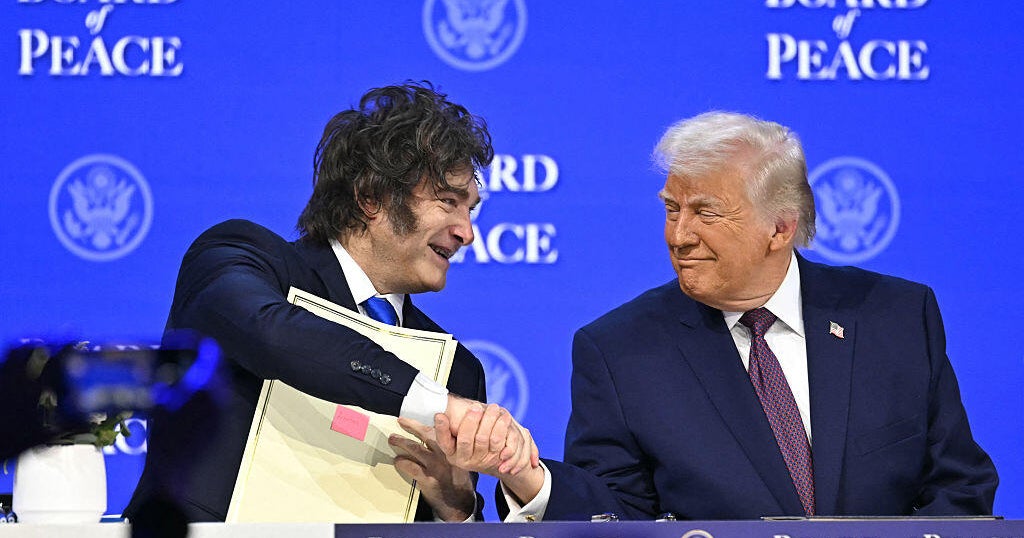
The timing and scope of this agreement also carry significant geopolitical implications, particularly regarding the relationship between President Trump and Argentine President Javier Milei. Milei, a libertarian economist who has implemented dramatic free-market reforms in Argentina, has emerged as one of Trump’s closest international allies and ideological fellow travelers. This trade deal represents a tangible reward for that alliance and could provide Milei with a substantial economic and political boost at home, where he has faced significant challenges implementing his economic agenda. U.S. Trade Representative Jamieson Greer explicitly framed the agreement in these terms, stating that “The deepening partnership between President Trump and President Milei serves as a model of how countries in the Americas, from Alaska to Tierra del Fuego, can advance our shared ambitions and safeguard our economic and national security.” This language suggests the administration views the Argentina deal not just as an isolated trade adjustment, but as part of a broader vision for hemispheric economic cooperation that aligns with particular political and economic philosophies while potentially countering Chinese influence in South America.
The Real Question: Will This Actually Lower Your Grocery Bill?
At the heart of this entire controversy lies a fundamental question that matters most to ordinary Americans: will dramatically increasing beef imports from Argentina actually result in lower prices at the grocery store? The administration clearly believes the answer is yes, operating on the straightforward economic logic that increasing supply should reduce prices. If 100,000 additional tons of beef enter the American market annually, basic supply and demand principles suggest this should create downward pressure on prices, potentially providing the relief that consumers desperately want. However, the National Cattlemen’s Beef Association has explicitly argued that this policy will do “little to impact the price consumers are paying at the grocery store,” suggesting the relationship between import volumes and retail prices may be more complicated than the simple supply-and-demand model implies.
The truth likely lies somewhere between these positions. Various factors influence the final price of beef at the grocery store, including processing costs, transportation, retailer margins, and consumer demand patterns that may not respond immediately to increased supply. There’s also the question of whether imported Argentine beef will directly substitute for the types of beef American consumers typically purchase, or whether it will occupy different market segments. Additionally, if the policy does succeed in significantly lowering beef prices, it could paradoxically harm American ranchers so severely that it triggers longer-term supply disruptions as domestic producers exit the market, potentially leading to future price increases once the impact fully plays out. What’s clear is that this executive order represents a significant experiment in trade policy, with American consumers hoping for relief at the checkout counter while American ranchers fear for their economic future. The coming months will reveal whether this gamble pays off, or whether it creates new problems while failing to solve the one it was designed to address. For millions of American families watching their grocery budgets, and for the ranching families whose way of life hangs in the balance, the stakes could not be higher.