



The Accidental Star: How a Factory Mistake Created China’s Most Beloved Plush Toy
When a Frown Became a Symbol of Modern Life
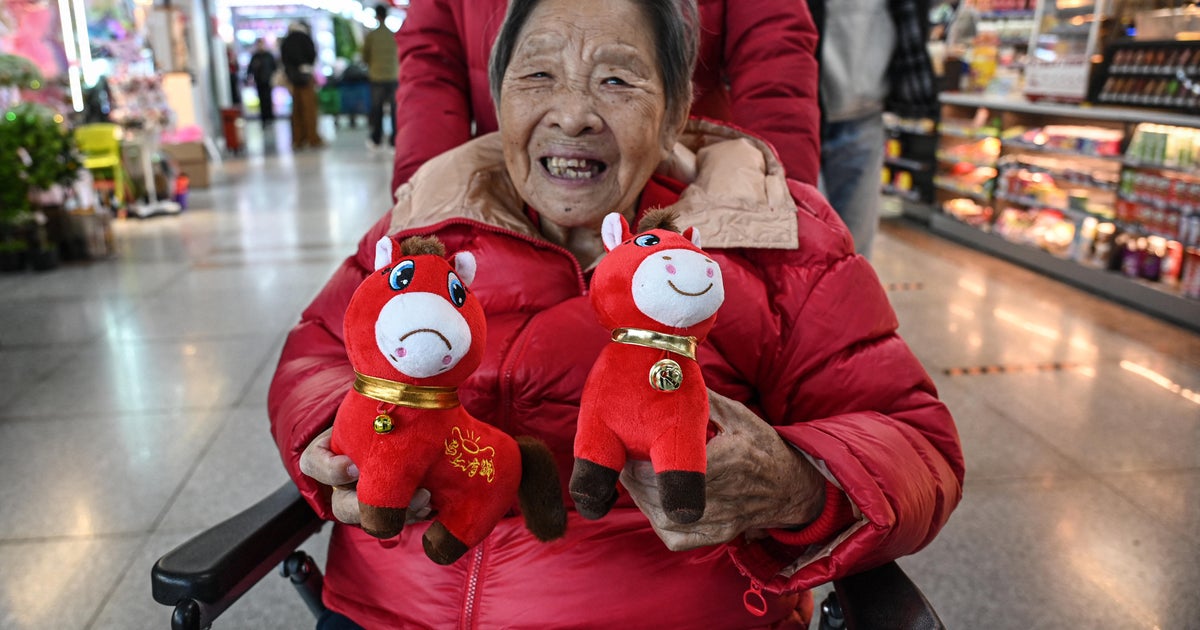
Sometimes the most meaningful things in life happen completely by accident. In China, a simple manufacturing error has transformed an ordinary plush toy into a cultural phenomenon that speaks to millions of people’s everyday experiences. What was meant to be a cheerful, smiling horse to celebrate the Lunar New Year became something entirely different – and far more relatable – when a factory worker accidentally sewed the mouths upside down on an entire batch of toys. The result? A collection of heartbreakingly sad-faced horses that have captured the hearts and minds of people across China and beyond. These doleful creatures, with their downturned mouths and melancholy expressions, weren’t supposed to exist at all. They were designed to be happy, festive toys marking the Year of the Horse, which begins on February 17 according to the Chinese zodiac. But when one customer received their defective product and decided to keep it rather than return it, they shared their find online – and the “crying horse” was born. What started as a quality control mishap has evolved into something much larger: a mascot for an entire generation of overworked, overwhelmed people looking for a way to express how they really feel.
From Factory Floor to Internet Fame
The journey from manufacturing mistake to viral sensation happened with remarkable speed. The “crying horse” hashtag exploded across Chinese social media, racking up more than 200 million uses on Douyin (China’s version of TikTok) and garnering over 100 million views as a trending topic on Weibo by Wednesday. These aren’t just passive views either – people are actively engaging with the crying horse phenomenon, sharing photos, creating content, and most importantly, buying the toys in droves. The contrast between what the toy was meant to be and what it became is striking. Standing in bright red fabric – an auspicious color in Chinese culture that symbolizes good fortune and joy – and decorated with golden embroidery that literally wishes owners to “get rich quickly,” the crying horse seems to embody a kind of ironic commentary on modern aspirations. Here’s this object designed to represent happiness, prosperity, and celebration, but its accidentally sad face tells a completely different story. At just 25 Chinese yuan (approximately $4), the toy is affordable enough that people have been buying them not just individually, but in pairs – one crying, one smiling – to represent different aspects of their lives.
A Mirror for Modern Workplace Struggles
What makes the crying horse particularly resonant isn’t just its adorable sadness, but what it represents to the people embracing it. Chinese social media users have adopted the plush toy as a symbol of their discontent with the country’s notoriously demanding work culture. People have been photographing themselves bringing the crying horse to work, to school, and to other spaces where they feel the weight of relentless expectations. The toy has become a silent companion for those who feel overworked and underappreciated, a soft, huggable representation of feelings that might otherwise be difficult to express. Zhang Huoqing, the store owner who first sold the toy from her shop in Yiwu – home to China’s largest wholesale market for small commodities – perfectly captured this dual nature when she told Reuters: “People joked that the crying horse is how you look at work, while the smiling one is how you look after work.” This simple observation reveals the deeper truth about why the crying horse has struck such a chord. It acknowledges the mask that many people feel forced to wear, the disconnect between their inner emotional reality and the face they present to the world. The crying horse gives people permission to acknowledge that yes, sometimes things are hard, sometimes we’re sad, and sometimes we just need something that reflects that back to us.
The Language of Exhaustion and Resilience
The response to the crying horse on Chinese social media reveals how deeply it has tapped into collective feelings about work and life balance. One Weibo user from Sichuan province articulated what many seem to be feeling: “The crying horse’s expression shows feelings of injustice, defiance and stubbornness that reflect the true feelings of most working ‘niu ma’ today.” The term “niu ma” literally means “ox and horse” and has become slang for people who feel like beasts of burden in their jobs – worked to exhaustion without adequate recognition or reward. But crucially, as this commenter noted, the crying horse isn’t just pathetic or defeated. Its expression contains defiance and stubbornness alongside the sadness. It’s crying, yes, but it’s still here, still present, still persisting. And as the commenter added, “it looks quite cute, which is why it has created such an explosive reaction.” There’s something about the combination of genuine emotion and undeniable adorableness that makes the crying horse both a symbol of struggle and a source of comfort. It validates difficult feelings while also making them somehow more bearable through its sheer cuteness.
From Local Phenomenon to Global Demand
The crying horse’s appeal has proven to extend far beyond China’s borders. Zhang Huoqing reports that since the toy went viral, customers from South Africa, Spain, Russia, and South America have visited her store in Yiwu specifically to purchase these accidentally famous toys. This international interest suggests that the feelings the crying horse represents – workplace exhaustion, the gap between how we feel and how we’re expected to appear, the need for emotional authenticity – are universal human experiences, not limited to any one culture or country. The demand has been so overwhelming that Zhang has had to dramatically scale up production, adding over 10 production lines to create approximately 20,000 units per day, according to Chinese state broadcaster CCTV. What started as a batch of defective products has become a full-scale manufacturing operation in its own right. Now, both versions of the horse – crying and smiling – are being intentionally produced, with the “mistake” version arguably more popular than the original design. It’s a reminder that sometimes what we think of as flaws or errors can actually be exactly what people need, even if we didn’t know it ourselves.
The Deeper Meaning Behind the Tears
The crying horse phenomenon tells us something important about our current moment in history. In an era of carefully curated social media personas, where people are expected to project constant positivity and success, there’s a deep hunger for authenticity and permission to acknowledge when things are difficult. The crying horse provides that permission in the gentlest possible way – through a small, soft, huggable toy that says “it’s okay to not be okay.” The fact that this symbol emerged by accident rather than through calculated marketing makes it even more powerful. No focus group designed the crying horse to appeal to overworked millennials and Gen Z workers. A factory worker simply made a mistake, and that mistake resonated because it was genuine and unplanned, much like the emotions it has come to represent. As the Year of the Horse approaches in the Chinese zodiac, the crying horse serves as an unexpected but fitting mascot – not for the prosperity and success that the holiday traditionally celebrates, but for the more complex reality of contemporary life. It acknowledges that we can wish ourselves and others good fortune and quick riches (as the embroidery on the toy does) while simultaneously recognizing that the path to those goals often involves struggle, frustration, and yes, sometimes tears. The crying horse doesn’t offer solutions to workplace exhaustion or unrealistic expectations. What it offers instead might be more valuable: validation, companionship, and a small, red reminder that we’re not alone in feeling overwhelmed. Sometimes, that’s exactly what we need.