

Historic Nuclear Talks Resume in Oman Amid Iranian Turmoil
A Delicate Diplomatic Dance Returns to the Table
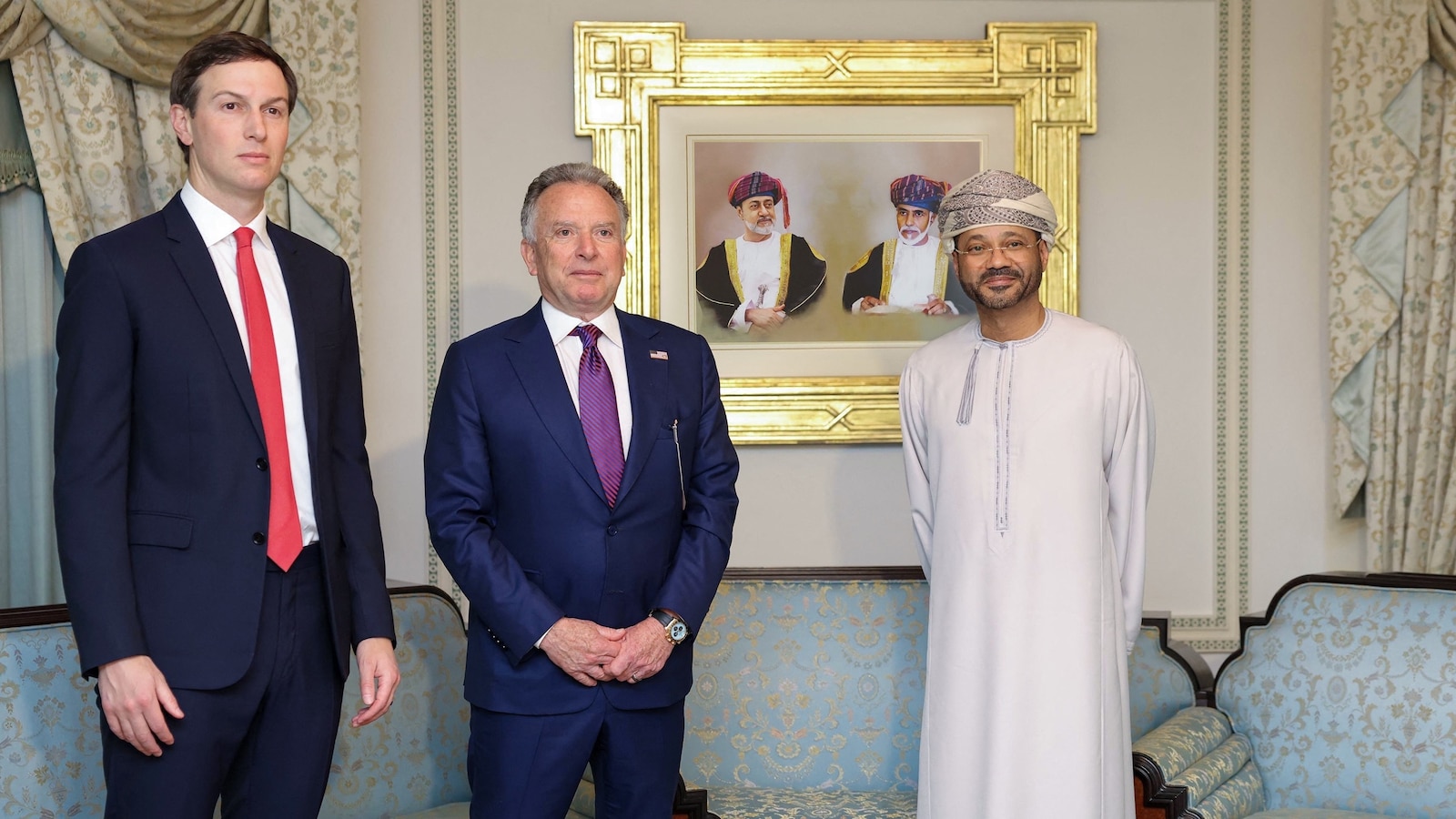
After weeks of mounting tensions, threats, and a devastating crackdown on Iranian citizens, negotiators from the United States and Iran are sitting down together once again. The meeting, taking place in Oman’s capital city of Muscat this Friday, represents a cautious step back from the brink of potential conflict. Leading the American delegation are President Donald Trump’s Middle East envoy Steve Witkoff and his son-in-law Jared Kushner, while Iran’s Foreign Minister Abbas Araghchi represents Tehran’s interests. The choice of Oman as the meeting location is significant—the Gulf nation has long served as a neutral ground and trusted mediator between Washington and Tehran, having facilitated similar discussions in the past. This resumption of dialogue comes at a critical moment, as both nations navigate a complex landscape of domestic pressures, regional security concerns, and the ever-present question of Iran’s nuclear capabilities. The atmosphere heading into these talks is charged with both hope and skepticism, as observers worldwide wonder whether this diplomatic effort can succeed where previous attempts have fallen short.
Trump’s Uncompromising Stance on Iranian Nuclear Ambitions
The Trump administration has entered these negotiations with an unambiguous position that leaves little room for interpretation. White House Press Secretary Karoline Leavitt made the administration’s demands crystal clear during a Thursday briefing: “Zero nuclear capability is something he’s been very explicit about.” This represents the hardest line any American administration has taken on the Iranian nuclear question, going far beyond previous agreements like the Joint Comprehensive Plan of Action (JCPOA), which sought to limit rather than eliminate Iran’s nuclear program. President Trump himself has oscillated between diplomatic overtures and military threats, a strategy his supporters view as necessary pressure tactics and his critics see as destabilizing brinksmanship. The American negotiating team arrives in Oman with the weight of Trump’s public statements behind them, including his declaration in January that he had “cancelled all meetings with Iranian Officials until the senseless killing of protesters STOPS.” Yet here they are, sitting down to talk anyway—suggesting that despite the tough rhetoric, both sides recognize the value of dialogue. Trump’s warning about having “many options at his disposal, aside from diplomacy, as the commander in chief of the most powerful military in the history of the world” hangs over the proceedings as both promise and threat.
Iran’s Approach: Cautious Engagement With Eyes Wide Open
On the Iranian side, Foreign Minister Abbas Araghchi struck a notably different tone, one of measured engagement combined with wariness born of experience. Upon arriving in Muscat, where he met with Oman’s Foreign Minister Badr bin Hamad al-Busaidi, Araghchi took to social media to outline Iran’s approach: “Iran enters diplomacy with open eyes and a steady memory of the past year. We engage in good faith and stand firm on our rights.” This statement captures the delicate balance Tehran must strike—appearing willing to negotiate while not seeming weak to domestic audiences who have grown deeply skeptical of Western promises. Araghchi further emphasized that “equal standing, mutual respect and mutual interest are not rhetoric—they are a must and the pillars of a durable agreement.” His insistence that commitments “need to be honored” likely references Iran’s ongoing grievances about the U.S. withdrawal from the previous nuclear deal under Trump’s first administration, a move that devastated Iran’s economy and shattered trust on both sides. Iranian President Masoud Pezeshkian’s instruction to Araghchi to pursue “fair and equitable” talks suggests that Tehran, despite its revolutionary rhetoric, desperately needs some form of agreement to address its mounting domestic challenges. The Iranian leadership faces a precarious situation: their economy is in freefall, their people are in the streets demanding change, and their regional position has been weakened by recent military setbacks.
The Bloodshed That Shadows the Negotiations
These diplomatic talks are taking place against the backdrop of an unprecedented humanitarian crisis unfolding on Iranian streets. What began in late December as economic protests sparked by the collapse of the Iranian currency quickly transformed into something far more threatening to the regime—open calls for fundamental political change. The government’s response has been nothing short of brutal. According to the U.S.-based Human Rights Activist News Agency, at least 6,495 protesters have been killed in the government’s crackdown, along with hundreds of security force members. The organization reports that thousands of additional cases are under review, suggesting the actual death toll may be significantly higher. While these figures cannot be independently verified due to Iran’s tight control over information, the scale of the violence appears to dwarf previous protest movements in the country. The demonstrators initially took to the streets frustrated by economic hardship—skyrocketing inflation, unemployment, and a currency that seemed to lose value by the day—but their demands quickly evolved to challenge the very legitimacy of the Islamic Republic itself. This represents the regime’s worst nightmare: not isolated dissent that can be contained, but a widespread popular movement that crosses class, generational, and even ideological lines. President Trump’s early solidarity with the protesters, declaring that “HELP IS ON ITS WAY,” created additional complications for the diplomatic process, as it signaled American support for regime change even as negotiations were being discussed. The thousands of deaths cast a dark shadow over these talks, raising questions about whether any agreement reached can truly be durable when one of the parties is actively suppressing its own population.
The Road to Muscat: Recent Escalations and Near-Misses
The path that led both sides back to the negotiating table was treacherous and nearly derailed completely on several occasions. Previous rounds of talks had taken place in April and May of 2025, also in Oman, suggesting a pattern of engagement that both sides valued despite their public hostility. However, a planned June session was abruptly cancelled when Israel launched aerial strikes against Iranian targets—strikes that the United States subsequently joined. This military action represented a significant escalation and seemed to slam the door on diplomatic progress. Trump’s announcement in January that a “massive Armada” was heading toward the region further ratcheted up tensions, with the president warning that any future U.S. attack would be “far worse” than the strikes on Iranian nuclear facilities that had occurred the previous June. Iran’s Foreign Minister Araghchi responded with his own show of resolve, stating that the country’s military had “their fingers on the trigger”—a phrase that sent chills through international observers worried about miscalculation leading to full-scale war. The fact that both nations have stepped back from this brink and returned to dialogue suggests that cooler heads, perhaps aided by regional mediators, recognized the catastrophic consequences of continued escalation. The White House acknowledged seeking help from regional allies to bring Iran back to the table, indicating that countries like Oman, and possibly others such as Qatar or the United Arab Emirates, played crucial behind-the-scenes roles in preserving the possibility of a diplomatic solution. The thawing process began cautiously last week when President Pezeshkian publicly instructed his foreign minister to pursue negotiations, signaling Tehran’s willingness to step back from the edge.
The Stakes: What Hangs in the Balance
As negotiators gather in Muscat, the stakes couldn’t be higher—not just for the United States and Iran, but for regional stability and global security. A successful agreement could potentially defuse one of the world’s most dangerous standoffs, preventing a military confrontation that could engulf the Middle East in a wider war with unpredictable consequences. For Iran, a deal might offer desperately needed economic relief through the lifting of sanctions, potentially easing the domestic pressures that have brought thousands into the streets. For the Trump administration, an agreement would represent a significant foreign policy achievement, demonstrating that the president’s unconventional approach of maximum pressure combined with willingness to negotiate can produce results. However, the gulf between the parties’ positions remains vast. Trump’s demand for “zero nuclear capability” essentially asks Iran to completely abandon a program it has spent decades and billions of dollars developing, a program the regime has long portrayed to its citizens as a matter of national pride and sovereignty. Secretary of State Marco Rubio’s recent comments highlight the administration’s view that the Iranian government doesn’t represent its people, noting “the bigger difference between the people who lead the country and the people who live there.” This framing suggests that U.S. officials still harbor hopes for eventual regime change, even as they negotiate with the current government—a contradiction that won’t be lost on Iranian negotiators. The U.S. Embassy’s continued security alert calling for all American citizens to leave Iran “if it’s safe for them to do so” underscores the fragility of the moment. Whether these talks produce a breakthrough, a temporary pause in hostilities, or simply another round of disappointed hopes remains to be seen, but the world watches Muscat with a mixture of hope and apprehension.