



Lindsey Vonn’s Courageous Return to Olympic Competition Despite Serious Knee Injury
A Champion’s Determination on the Italian Slopes
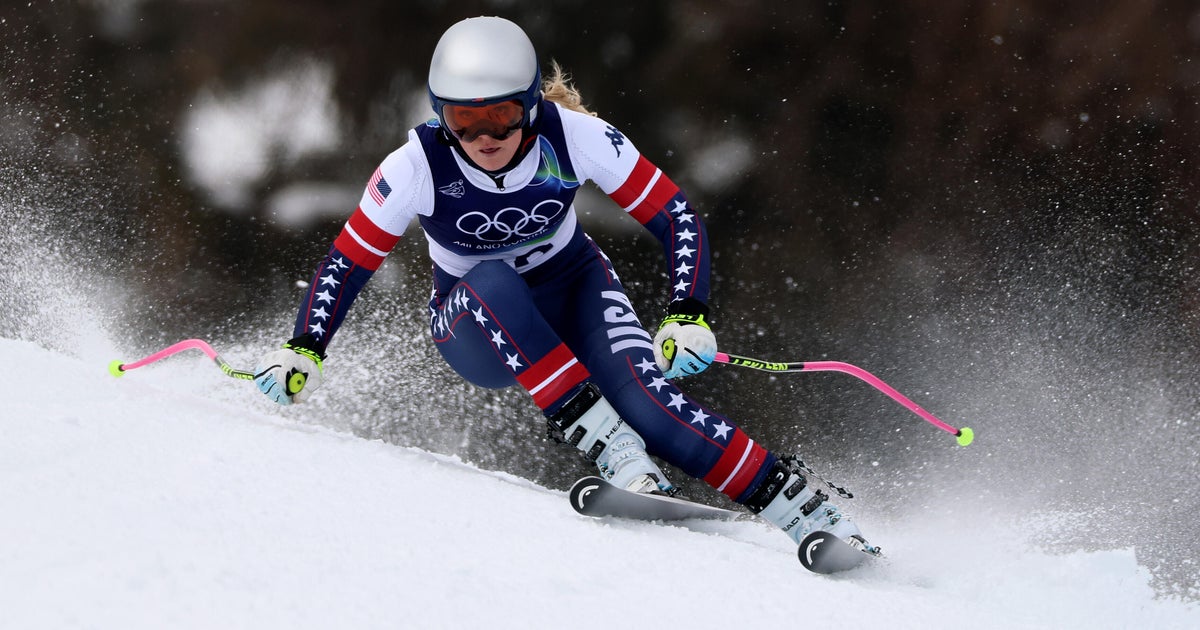
The picturesque mountain town of Cortina d’Ampezzo in northern Italy’s Dolomites became the stage for one of the most inspiring stories of athletic courage at the 2026 Winter Olympics. American skiing legend Lindsey Vonn took to the slopes for official downhill training on Friday, just one week after suffering a devastating injury that would have sidelined most athletes indefinitely. The 41-year-old champion completed her training run without visible problems, defying expectations and demonstrating the resilience that has defined her remarkable career. This wasn’t just any training session—it was a powerful statement about determination, experience, and the refusal to let dreams slip away, even when facing seemingly insurmountable obstacles.
The training session itself had been complicated by the unpredictable mountain weather that often characterizes alpine skiing events. Officials had already been forced to cancel Thursday’s scheduled training due to poor conditions, and Friday’s session experienced brief delays before organizers gave the green light to proceed. Despite these challenges and the fresh injury still healing in her left knee, Vonn navigated the demanding downhill course with the skill and composure that has earned her numerous World Cup victories and Olympic medals throughout her storied career. For the gathered spectators, media, and fellow competitors, watching Vonn complete this training run represented far more than routine Olympic preparation—it was witnessing athletic determination at its finest.
The Injury That Could Have Ended Olympic Dreams
The circumstances leading to this dramatic Olympic moment began just seven days earlier in the Swiss Alps, where Vonn experienced every skier’s nightmare. During a World Cup race on the challenging Swiss slopes, she crashed and ruptured the anterior cruciate ligament (ACL) in her left knee—one of the most serious injuries an athlete can sustain. The ACL is crucial for knee stability, particularly in a sport like downhill skiing that demands split-second adjustments, powerful turns, and the ability to maintain control while traveling at breathtaking speeds down steep, icy courses. For most athletes, such an injury would mean immediate surgery followed by months of rehabilitation, effectively ending any hopes of competing in upcoming events, let alone the Olympic Games.
However, Lindsey Vonn is not most athletes. With her competitive Olympic event—the women’s downhill—scheduled for just days away on Sunday, she faced an agonizing decision. Throughout her career, Vonn has battled numerous injuries, undergone multiple surgeries, and repeatedly defied medical odds to return to competition. Her knees, in particular, have endured tremendous wear and tear from years of high-impact racing at the sport’s highest levels. This latest injury to her left ACL came at perhaps the most critical moment possible, threatening to rob her of what many believe will be her final opportunity to compete on the Olympic stage. The timing was cruel, but Vonn’s response would prove extraordinary.
Unshakeable Resolve in the Face of Adversity
At a press conference on Tuesday, just days after the injury and three days before her Olympic training run, Vonn revealed the mental approach that has allowed her to push forward when others might have withdrawn. Her words painted a picture of an athlete who has fundamentally changed her relationship with setbacks and disappointment. “I haven’t cried. I haven’t deviated from my plan,” she told the assembled reporters, her voice carrying the conviction of someone who has made an unshakeable decision. She continued with remarkable candor about how this moment differed from past injuries: “Normally, in the past, there’s always a moment where you break down and you realize the severity of things and that your dreams are slipping through your fingers. But I didn’t have that this time.”
Her next words captured the essence of her determination: “I’m not letting this slip through my fingers. I’m gonna do it. End of story.” This wasn’t bravado or empty confidence—it was the declaration of a champion who has spent decades learning exactly what her body and mind are capable of achieving. Vonn’s refusal to allow this injury to derail her Olympic participation speaks to a deeper understanding of her own resilience, built through years of overcoming obstacles that would have ended lesser careers. She has transformed the typical narrative of athletic injury from tragedy to simply another challenge to be managed and overcome. For Vonn, competing injured isn’t reckless—it’s the culmination of a lifetime of preparation for exactly these kinds of moments.
Support and Belief from Team USA
Vonn’s teammates on the U.S. alpine skiing squad have rallied around their veteran leader with expressions of confidence and admiration. Speaking with CBS News on Thursday while training at a gym in Cortina, these fellow Olympians offered insights into why they believe Vonn remains capable of competing at the highest level despite her injury. Isabella Wright, a Team USA skier who has witnessed Vonn’s preparation and determination firsthand, summed up the prevailing sentiment perfectly: “If anyone can come back from this, if anyone could do it, it’s Lindsey.” This wasn’t mere politeness or team loyalty speaking—it was genuine belief based on years of watching Vonn accomplish what seemed impossible.
Breezy Johnson, another of Vonn’s teammates, provided additional perspective on the unique calculations involved in Vonn’s decision to compete injured. “If it’s your last Games, and you know, already probably have a lot of knee damage, then there’s not that much to lose,” Johnson explained to CBS News. Her observation highlights a reality that many aging athletes face: when you’ve already endured numerous injuries and surgeries, and when you know you’re approaching the end of your competitive career, the risk-reward calculation changes dramatically. For someone in Vonn’s position, the regret of not trying might far outweigh the potential consequences of competing injured.
Jacqueline Wiles, who has shared the slopes with Vonn in previous competitions, spoke to her teammate’s legendary toughness. “I think any time you’re injured, trying to fight through that injury while you’re still competing, while the season’s going on, it definitely can get in your head,” Wiles acknowledged, recognizing the mental challenge that accompanies physical injury. “But she’s been through it more than anyone,” she added, describing Vonn as “definitely one of the toughest.” These testimonials from fellow elite athletes carry particular weight—they understand exactly what Vonn is attempting and the extraordinary mental and physical strength required to compete at this level while managing a serious injury.
The Broader Context of a Legendary Career
To fully appreciate the significance of Vonn’s appearance at these Olympics, it’s essential to understand the context of her remarkable career and what these Games represent. Lindsey Vonn is not simply another talented skier—she is one of the greatest alpine racers in history, male or female. Her trophy case includes Olympic medals, World Championship titles, and an astounding 82 World Cup victories, placing her among the most successful ski racers of all time. She has been the face of American alpine skiing for nearly two decades, inspiring countless young athletes and elevating the sport’s profile in the United States. Her dominance in downhill and super-G events, combined with her success across multiple disciplines, has cemented her legacy as a true legend of winter sports.
However, that legendary status has come at a physical cost. Vonn’s career has been punctuated by devastating injuries, multiple knee surgeries, broken bones, and the kind of wear and tear that accumulates when you spend years hurtling down mountains at speeds exceeding 80 miles per hour. She has retired and returned to competition multiple times, each comeback requiring tremendous dedication and rehabilitation. At 41 years old, she is competing in a sport typically dominated by athletes in their twenties and early thirties. The physical demands of downhill skiing are brutal, and doing it with a body that has endured decades of high-impact stress makes her continued competition all the more remarkable. These Olympics represent what many believe will be her final opportunity to add to her legacy on the sport’s biggest stage, making her determination to compete despite the ACL injury all the more understandable and inspiring. This is not just another race—it’s potentially the closing chapter of one of skiing’s greatest careers, and Vonn is determined to write that chapter on her own terms, injury notwithstanding.