


Devastating Mosque Bombing in Pakistan’s Capital Claims Dozens of Lives
A Community Shattered by Violence
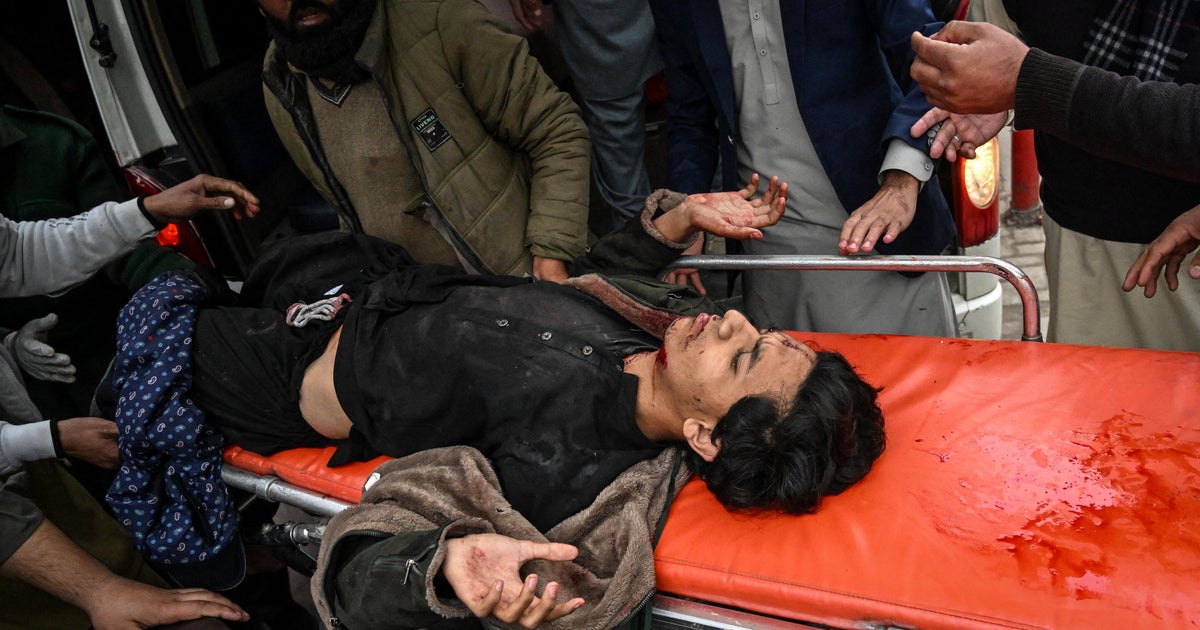
On what should have been a peaceful Friday afternoon of worship and community gathering, tragedy struck the Tarlai suburb of Islamabad, Pakistan’s capital city, when a suicide bomber detonated explosives outside the Imambargah Khadijatul Kubra mosque. The attack, which occurred while hundreds of Shiite Muslim worshippers had gathered for their weekly Friday prayers, resulted in the deaths of at least 31 people and left nearly 170 others injured, according to statements from city government officials. The scene that unfolded was one of absolute chaos and devastation, with witnesses describing horrifying images of bloodied victims sprawled across the mosque floor. Among those caught in the carnage were children, their young lives forever marked by this senseless act of violence. The attack sent shockwaves throughout the community and the nation, serving as a grim reminder that even places of worship—sanctuaries meant for peace and spiritual reflection—are not immune to the reach of terrorism. Emergency responders worked frantically to transport the wounded to nearby hospitals, loading victims into any available vehicles as the sheer number of casualties quickly overwhelmed local medical facilities.
Eyewitness Accounts Paint a Harrowing Picture
The moments surrounding the attack reveal both the randomness of such violence and the thin line between life and death that many experienced that Friday afternoon. Zahir Hussain, one witness who narrowly escaped the full force of the blast, recounted his experience to journalists, describing how he had been in the process of parking his vehicle to attend prayers when the massive explosion occurred. The force of the detonation was so powerful that it threw him against his car door, leaving him momentarily stunned and disoriented. What followed, according to Hussain, was even more disturbing—a brief period of what he described as “horrific silence” before the full extent of the carnage became apparent. When he finally entered the mosque to comprehend what had happened, he found himself confronted with scenes so devastating that words failed him. “I don’t have words to explain it,” he told reporters, his statement reflecting the profound psychological trauma that survivors of such attacks often carry with them for years to come. According to security officials who spoke on condition of anonymity, the bomber had been prevented from entering the mosque itself, being stopped at the gate before detonating the explosive device—a security measure that, while failing to prevent the attack entirely, may have saved countless additional lives by keeping the bomber from reaching the densely packed interior where worshippers had gathered.
Emergency Response and Healthcare System Overwhelmed
The immediate aftermath of the bombing placed extraordinary strain on Islamabad’s healthcare infrastructure as emergency services scrambled to provide life-saving care to the scores of wounded victims. Police and emergency service coordinators declared an emergency status for all hospitals throughout the capital region, mobilizing medical personnel and resources to handle what quickly became a mass casualty event. The Pakistan Institute of Medical Sciences (PIMS) Hospital, one of the primary medical facilities in the area, reached full capacity within a remarkably short time as ambulances and private vehicles continued to arrive with injured victims. The overflow of patients necessitated the transfer of many wounded individuals to other medical centers throughout Islamabad and the neighboring city of Rawalpindi, as doctors, nurses, and support staff worked around the clock to treat injuries ranging from shrapnel wounds to severe burns and traumatic injuries caused by the blast. The scene at these hospitals mirrored the chaos at the bombing site, with families desperately searching for loved ones, medical staff triaging patients based on the severity of their injuries, and the constant arrival of more victims creating an atmosphere of controlled crisis. The attack tested not only the physical capacity of Pakistan’s healthcare system but also the emotional resilience of medical professionals who found themselves treating victims of yet another terrorist attack in a region that has seen far too many.
Government Response and Calls for Justice
In the hours following the attack, Pakistan’s political leadership responded with statements condemning the violence and promising accountability for those responsible. Prime Minister Shehbaz Sharif convened an emergency meeting with the country’s interior minister to discuss the bombing and the government’s response. Following this meeting, the Prime Minister ordered a comprehensive investigation into how the attack was planned and executed, with particular attention to any potential security failures that may have allowed the bomber to reach such a populated target. In his official statement to the nation, Sharif vowed that those responsible for planning and carrying out the attack would be brought to justice, expressing determination that no one would be permitted to spread hatred and insecurity throughout the country. These promises of justice and security, while necessary from a political standpoint, ring familiar to many Pakistanis who have heard similar statements following previous attacks. The challenge facing the government extends beyond simply identifying and punishing the perpetrators of this particular bombing; it involves addressing the broader security environment that continues to allow such attacks to occur despite heightened alert levels and security measures throughout the capital region.
The Complex Threat Landscape in Pakistan
The absence of an immediate claim of responsibility for the Islamabad mosque bombing reflects the complicated and multifaceted nature of terrorist threats facing Pakistan. The country contends with violence from numerous regional terrorist organizations, each with different ideologies, objectives, and target preferences. Among these groups are both the Afghan Taliban and the Pakistani Taliban (Tehrik-i-Taliban Pakistan), neither of which has historically focused their attacks on Shiite Muslim communities specifically. Additionally, the regional affiliate of ISIS, known as ISIS-Khorasan (ISIS-K), operates in the region and has demonstrated a willingness to attack both civilian populations and security forces indiscriminately, often targeting religious minorities including Shiite Muslims. Other militant organizations with varying degrees of organization and capability also conduct operations throughout Pakistan, creating a security environment where attributing specific attacks can be challenging, particularly in the immediate aftermath. A local security official noted that the attack on the mosque came approximately two months after a suicide bombing targeted a courthouse in Islamabad, an incident that had prompted authorities to raise the capital’s alert level to its highest setting. The official suggested that the mosque bombing might represent a shift in terrorist tactics, with bombers unable to penetrate the enhanced security around “big targets inside the capital” instead turning their attention to “soft targets such as mosques and public places in the suburbs,” where security measures are typically less robust and large crowds gather predictably at certain times.
A Nation’s Ongoing Struggle with Terrorism
The Tarlai mosque bombing serves as yet another tragic chapter in Pakistan’s long and painful struggle with terrorism and sectarian violence. For the families who lost loved ones, for the survivors who will carry physical and emotional scars, and for the community whose sacred space was violated, the attack represents an intensely personal tragedy that statistics and official statements can barely capture. The images of bloodied victims, including children, lying on the mosque floor have become all too familiar in a region where places of worship have repeatedly become targets of violence. The attack raises difficult questions about security, religious freedom, and the ability of governments to protect their citizens, particularly those from minority communities that may face heightened risks. As Islamabad’s hospitals continue treating the wounded and families begin the painful process of burying their dead, the broader conversation about how to prevent such attacks continues. The challenge extends beyond physical security measures to address the ideological roots of terrorism, the socioeconomic conditions that can make violent extremism appealing, and the regional dynamics that allow terrorist organizations to operate across borders. For now, a community mourns, a nation grieves, and the world is reminded once again of the human cost of terrorism and the urgent need for solutions that can prevent such senseless loss of life in the future.