



The 2026 Milan Cortina Winter Olympics: A Global Fashion Showcase on Ice
Opening Ceremony Brings Together Athletic Excellence and National Style
The 2026 Winter Olympics kicked off in spectacular fashion on Friday, marking a historic moment as the first Winter Games to be shared between two host cities—Milan and Cortina in northern Italy. As thousands of elite athletes from around the world gathered for the opening ceremony, the event became not just a celebration of athletic prowess but also a stunning display of national identity through fashion. From Ralph Lauren’s classic American designs to Mongolia’s cashmere tributes to ancient empires, each team’s uniform told a unique story of cultural heritage, innovation, and pride. The Games, which will run through February 22, feature 116 medal events, including the Olympic debut of ski mountaineering, making this the most geographically widespread Winter Olympics in history. The excitement will continue with the Paralympics scheduled from March 6 to March 15, giving athletes with disabilities their moment to shine on the world stage.
Team USA and Team Canada: North American Style Meets Olympic Tradition
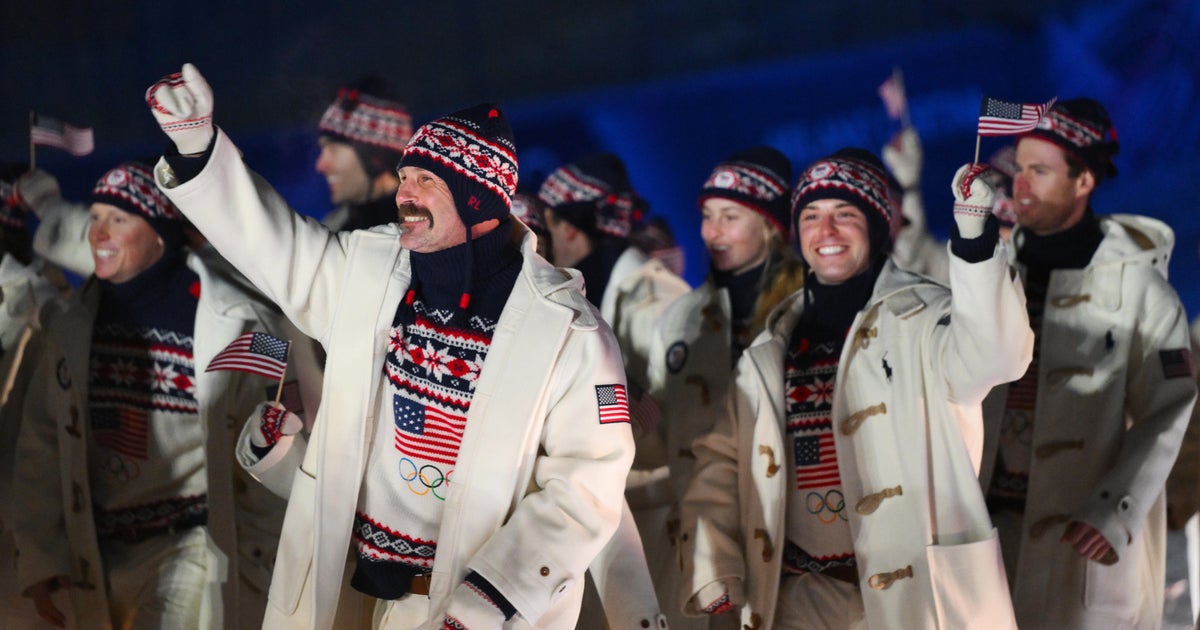
Ralph Lauren continued its impressive streak as the designer for Team USA, marking the tenth consecutive Olympic Games the brand has outfitted American athletes—a partnership spanning nearly two decades. David Lauren, the company’s chief branding and innovation officer, described dressing the nation’s athletes as “an honor that never fades.” The opening ceremony ensemble featured a sophisticated winter-white wool coat adorned with heritage-inspired wooden toggles, paired with wool trousers and the iconic American flag intarsia wool sweater that has become synonymous with Team USA’s Olympic presence. Completing the look were red, white, and blue knit hats and mittens, a leather belt, and suede alpine boots with red laces—every item proudly manufactured in the United States. Lauren emphasized that the design philosophy centered on “creating dreams and telling stories through style,” with uniforms that are “both timeless and modern” and reflect “the passion, optimism, and relentless pursuit of excellence that embody the American spirit.” Acknowledging the significance of Milan as one of the world’s great fashion capitals, the designs honored the city’s creative spirit while staying true to Ralph Lauren’s enduring aesthetic.
Meanwhile, Team Canada continued its partnership with Lululemon, the Vancouver-based athletic apparel company, for its third consecutive Olympic Games. CEO Calvin McDonald described this year’s collection as “a technically superior kit” developed “with deeper focus on innovation and inclusion, while delivering both function and style.” The Canadian uniforms featured beloved national symbols like maple leaf designs and a topographic map print, rendered in colors ranging from deep red to “iceberg-inspired” greens and blues. McDonald expressed particular pride in supporting Team Canada at what he called “the world’s largest sporting stage,” noting that “as a country that thrives in the cold, the Winter Games are particularly special to Canadians.” The Lululemon designs reflected this connection to winter, combining cutting-edge performance fabric technology with distinctly Canadian visual elements that would make the team instantly recognizable in competition and ceremony alike.
European Excellence: Italy, Great Britain, France, and Germany Showcase Continental Design
As the host nation, Italy had special reason to shine at the opening ceremony, with Team Italy wearing outfits designed by EA7 Emporio Armani, continuing a partnership with the Italian National Olympic Committee (CONI) and Italian Paralympic Committee (CIP) that began at the London Games in 2012. The ensembles featured a sophisticated palette of milky white, including a down jacket, thermal ski jacket and trousers, as well as an oversized bomber jacket emblazoned with “Italia” print, along with various other items and accessories. Poignantly, these uniforms represented the final Olympic collection from the late Giorgio Armani, who passed away in September but had revealed the designs in May. At that time, he had expressed his enthusiasm for the project, saying, “I couldn’t imagine a more stimulating collaboration, uniting the city that has given me so much and sport. Working for and alongside Italian athletes is always a pleasure and a great source of pride.” The designs stood as a fitting tribute to Armani’s legendary career and deep connection to Milan.
Team Great Britain’s uniforms, designed by Ben Sherman for the fourth consecutive Olympic Games, showcased the brand’s commitment to British heritage and craftsmanship. In a special touch, the collection included a collaboration with five-time Olympic medallist Tom Daley, who created hand-knit scarves and hats specifically for the flagbearers at both the opening and closing ceremonies. The designs drew inspiration from the dramatic Dolomite Mountains and featured bold pattern illustrations incorporating heritage checks and Fair Isle knitwear—quintessentially British textile traditions. The opening ceremony outfit consisted of a wool dogtooth topcoat, a mock-neck sweater with raised stripe accents and a repeating Union Flag motif, sweat joggers, a scarf, hat, and Vibram-soled winter boots that combined style with the practical demands of winter conditions.
Team France, outfitted by Le Coq Sportif, wore uniforms that the French brand described as combining “technical expertise and comfort” while celebrating “the unique fusion between Paris and Milan—two fashion capitals united around a single flag.” The designs featured a vibrant tricolor motif inspired by the landscape and mountain peaks, paying homage to both French national identity and the Alpine setting of the Games. Team Germany, meanwhile, wore Adidas designs that reflected the brand’s commitment to both performance and aesthetics. Jacqueline King, design director at Adidas, explained their approach: “Our ambition was to create kits that not only help athletes tackle the challenges of winter sports but also capture what makes the Games so special.” These European teams demonstrated how Olympic uniforms can honor national sporting traditions while embracing contemporary design innovation.
Cultural Heritage on Display: Mongolia, Mexico, and Brazil Honor Their Roots
Team Mongolia made perhaps the most historically evocative statement at the opening ceremony, wearing ceremonial outfits designed by Goyol Cashmere that, according to the company, “proudly present to the global sporting stage the resilience, wisdom, and warrior spirit forged over thousands of years by Mongolians who have endured the eternal winters of the Central Asian highlands.” Drawing inspiration from the attire of the Great Mongol Empire of the 13th-15th centuries, these remarkable garments were crafted from the finest Mongolian cashmere, finished with silk trim, and embroidered with traditional horn motifs. In a joint Instagram post, Goyol and the Mongolian National Olympic Committee explained their vision: “Using Mongolian cashmere—long relied upon by our nomadic people to endure harsh winters—we have created ceremonial deels that honor traditional history and culture, alongside premium cashmere knit casual ensembles inspired by alpine ski sweaters rooted in Western mountain culture, enriched with motifs of the Mongolian ger and nomadic life.” The designs brilliantly bridged centuries of cultural tradition with the contemporary Olympic stage, reminding viewers that Mongolia’s relationship with winter stretches back through millennia.
Team Mexico’s uniforms, created by Charly, were described by the Mexican Olympic Committee as “a symbol of hard work, passion and Olympic commitment.” The 2026 Games held special significance for Mexico, as Claudia Sheinbaum became the first Mexican president to lead the flag ceremony for the country’s delegation to the Winter Games—a historic moment that underscored the growing importance of winter sports in Mexico’s national sporting consciousness. The ceremony represented not just athletic achievement but also political recognition of Mexican athletes who have worked to excel in sports traditionally dominated by countries with more extensive winter sports infrastructure and resources.
Team Brazil’s collaboration between Moncler and Brazilian designer Oskar Metsavaht represented another fascinating cultural fusion. According to Moncler, Metsavaht’s “personal experience in winter sports fuses seamlessly with Brazil’s creative spirit and Moncler’s mountain DNA.” The partnership marked a significant moment for Moncler as well, representing “a return to the pinnacle of winter sports for the first time since Moncler outfitted the triumphant French ski team in Grenoble in 1968.” For Brazil, a nation more commonly associated with summer sports, beach culture, and tropical climates, the uniforms symbolized the country’s expanding athletic ambitions and the determination of Brazilian winter athletes to compete on the world’s most prestigious stage, even in disciplines far removed from their nation’s geographical and climatic identity.
Fashion Meets Function: The Intersection of Performance and National Identity
The 2026 Winter Olympics opening ceremony uniforms represented far more than simple clothing—they embodied the complex intersection of athletic performance, national branding, cultural heritage, and cutting-edge fashion design. Each country’s design team faced the challenge of creating garments that could withstand the harsh conditions of an Alpine winter while making a powerful visual statement about national identity during a globally televised event watched by billions. The designers balanced functional requirements like warmth, weather resistance, and freedom of movement with aesthetic considerations including color symbolism, cultural motifs, and contemporary fashion trends. This delicate balancing act resulted in uniforms that served as wearable ambassadors for each nation’s values, history, and aspirations.
The choice of designers itself spoke volumes about national priorities and partnerships. Established luxury brands like Ralph Lauren, Emporio Armani, and Moncler brought decades of fashion expertise and global recognition, lending prestige and polish to their respective national teams. Athletic wear specialists like Lululemon and Adidas emphasized performance technology and sports heritage, positioning their countries as serious contenders focused on competitive excellence. Meanwhile, brands like Goyol Cashmere and designers like Oskar Metsavaht offered more intimate, culturally specific perspectives that highlighted unique national stories often overlooked in mainstream Olympic coverage. Together, these diverse design approaches created a rich tapestry of global culture, reminding viewers that the Olympics represent not just athletic competition but also a rare opportunity for peaceful international exchange and mutual appreciation.
As the Milano Cortina 2026 Winter Olympics progress through their scheduled conclusion on February 22, these opening ceremony uniforms will remain iconic images of the Games, reproduced in media coverage, commemorative publications, and the memories of those who witnessed this historic gathering. They serve as powerful reminders that sports, fashion, and national identity are deeply intertwined, and that the simple act of getting dressed for the world’s most important athletic competition is itself a meaningful statement about who we are, where we come from, and what we value. Whether athletes ultimately stand on the podium or not, they’ve already succeeded in representing their nations with style, pride, and dignity—wrapped in designs that honor the past while embracing the future of both sports and fashion on the global stage.