

The Minions Take the Olympic Ice: A Figure Skater’s Last-Minute Licensing Victory
A Race Against Time for Olympic Dreams
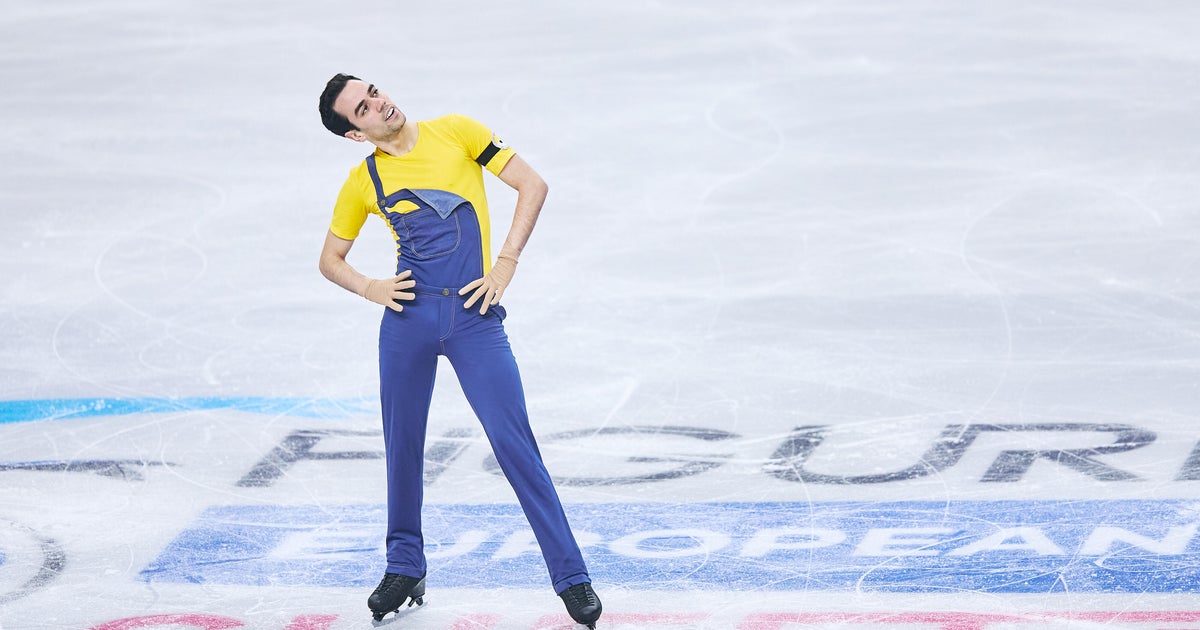
In what became a nail-biting countdown to the 2026 Milan Cortina Winter Olympics, Spanish figure skater Tomas-Llorenc Guarino Sabate found himself in an unexpected battle—not against other competitors, but against the clock and copyright laws. Just hours before the Olympic figure skating program was set to begin, Sabate finally received the green light he desperately needed. The approval came on Friday, a mere two hours before the opening of the team event, allowing him to perform his beloved short program set to music from the hit animated film “Minions” from Universal Pictures and Illumination Entertainment. For Sabate and his fans worldwide, this wasn’t just about music—it was about bringing joy, personality, and a touch of animated mischief to the Olympic ice when the men’s competition kicked off on Tuesday night.
The Licensing Nightmare Unfolds
What should have been a straightforward process turned into a weeklong ordrama that had figure skating fans holding their breath. Sabate had been confidently performing his fan-favorite Minions program throughout the entire season, believing he had secured all necessary permissions through a licensing system called ClicknClear. The program, complete with a Minions-inspired costume that delighted audiences, had become his signature piece. However, just days before the Olympics, Universal Studios requested additional details about the specific music cuts Sabate was using and his themed outfit. What seemed like a routine inquiry quickly escalated into a crisis when it became clear that proper licensing for all four musical pieces hadn’t been fully secured. Two cuts were quickly approved, and Sabate personally reached out to a third artist—a fellow Spaniard—who graciously granted permission. But the fourth piece, “Freedom” by American musician and producer Pharrell Williams, remained stubbornly unresolved, leaving Sabate’s Olympic dreams hanging in the balance.
From Desperation to Jubilation
As the hours ticked away and the Olympic opening ceremony approached, Sabate’s situation grew increasingly dire. The young skater found himself in the uncomfortable position of having to practice an alternative routine—his Bee Gees-inspired short program from the previous year—just in case the licensing couldn’t be resolved in time. The stress and uncertainty of potentially having to abandon his carefully crafted Minions program at the last moment must have been overwhelming. Yet even as he prepared this backup plan, Sabate maintained hope. As news of his predicament spread across social media and the figure skating community, support poured in from fans worldwide. This groundswell of encouragement kept him motivated during those anxious days. On Thursday, showing remarkable optimism, he even practiced the Minions program during an early session, complete with the opening peals of laughter from the beloved animated characters. By Friday morning, the Royal Spanish Ice Sports Federation made the announcement everyone had been waiting for: the copyright issues had been resolved. Sabate’s relief and joy were palpable when he took to social media to share the news with his supporters, thanking everyone involved in making his Olympic dream a reality.
The Broader Copyright Challenge in Figure Skating
Sabate’s licensing struggle highlights a growing issue that has been quietly complicating the world of competitive figure skating. For decades, the sport operated under strict musical constraints—skaters could only use instrumental music without lyrics, typically selections from the classical repertoire that existed in the public domain. This limitation, while artistically restrictive, meant copyright issues were virtually non-existent. Everything changed in 2014 when the International Skating Union altered the rules to allow vocal music in competition. This opened up exciting new creative possibilities, allowing skaters to perform to contemporary pop songs, movie soundtracks, and modern musical theater pieces. However, it also opened a Pandora’s box of licensing complications. Artists and their representatives began objecting when their work was used without proper permission and compensation. What once was a simple matter of selecting music became a complex legal process requiring advance approval, proper documentation, and sometimes significant licensing fees. Sabate wasn’t alone in facing these challenges—Belgian skater Loena Hendrickx, a two-time world medalist, also encountered copyright problems just before the Olympics. She had been performing her short program to Celine Dion’s “Ashes” from “Deadpool 2” but had to make a last-minute change to another Dion song, “I Surrender,” which fortunately had similar rhythm and feel and was available through ClicknClear’s catalog.
The Human Story Behind the Headlines
At 26 years old, Tomas-Llorenc Guarino Sabate isn’t considered a medal favorite at the Milan Cortina Games—he placed 20th at the previous year’s world championships. But his story resonates far beyond competitive rankings and podium predictions. His heartfelt gratitude toward “ClickClear and the RFEDH, as well as Universal Pictures, Pharrell Williams, Sony Music and Juan Alcaraz for managing the rights in such a short time” reveals the collaborative effort required to resolve his situation. More touching still was his humble acknowledgment of the support he received: “I’m thrilled by the love that a small skater from a small federation has received.” This sentiment speaks to the true spirit of the Olympics—where athletes from all nations, regardless of their medal prospects, deserve the opportunity to share their artistry and passion on the world’s biggest stage. Sabate’s declaration that he wants “to give my all on the ice and perform a program worthy of the love I’ve received from around the world” transforms his Tuesday night performance into something more meaningful than technical scores and competition placement. It becomes a celebration of perseverance, community support, and the joy of bringing beloved characters to life on ice.
Looking Ahead: Olympic Spirit Lives On
As the 2026 Winter Olympics continue through the closing ceremony on February 22, followed by the Paralympics from March 6-15, Sabate’s story serves as a reminder of what these Games represent beyond athletic achievement. The opening ceremony may have officially taken place on Friday, but competition began two days earlier, with American ice dancers Madison Chock and Evan Bates earning a world-best 91.06 points in rhythm dance, cheered on by a crowd that included Vice President JD Vance and Secretary of State Marco Rubio. Yet amid the political dignitaries and medal favorites, there’s special anticipation for Tuesday night when a Spanish figure skater will take the ice dressed as a Minion, his program opening with those distinctive peals of animated laughter. Sabate will undoubtedly have tremendous support from fans who followed his licensing saga and celebrated his victory over bureaucratic obstacles. His performance will represent more than athletic skill—it will embody determination, the power of community support, and the whimsical joy that the Minions have brought to audiences worldwide. In a world that can sometimes take itself too seriously, there’s something wonderfully refreshing about those mischievous yellow characters finally getting their Olympic moment after all.