



Corruption Scandal Rocks Toronto Police: Eight Officers Charged in Organized Crime Investigation
A Dark Day for Law Enforcement
In a shocking revelation that has sent shockwaves through Canada’s largest city, Toronto police authorities announced on Thursday that seven active-duty officers and one retired officer have been arrested on serious charges including bribery, conspiracy to commit murder, and drug trafficking. This unprecedented corruption scandal represents one of the most significant breaches of public trust in the history of the Toronto Police Service. Toronto Police Chief Myron Demkiw spoke openly about the gravity of the situation during a press conference, acknowledging that this was “a painful and unsettling moment” for the department and the community it serves. The chief emphasized that when organized crime successfully infiltrates law enforcement agencies, the damage extends far beyond the immediate criminal acts themselves—it undermines the very foundation of public safety and community trust that police work depends upon. The allegations suggest that these officers not only violated their oath to protect and serve but actively worked against the interests of public safety by providing sensitive information to criminal organizations.
How the Investigation Unfolded
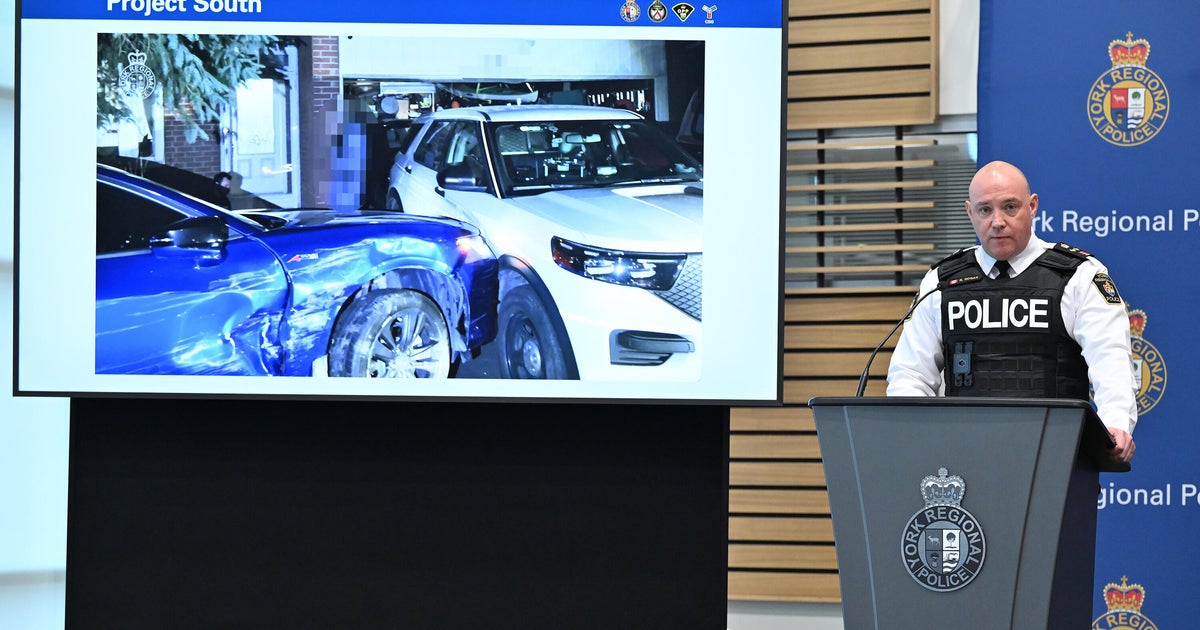
The investigation that exposed this extensive corruption network began in June with what initially appeared to be a targeted murder plot against a corrections management employee. York Police Deputy Chief Ryan Hogan detailed how investigators first became aware of the conspiracy when they uncovered that mobsters were planning to kill a corrections manager, and that the suspects had obtained sensitive personal information about their intended victim through corrupt officers. The situation escalated dramatically when several suspected mobsters actually went to the corrections manager’s home with the intention of carrying out the murder. However, they encountered an unexpected obstacle: police officers who had been assigned to protect the employee. The would-be assassins, realizing they had walked into a trap, attempted to flee and rammed a police vehicle in the process before being arrested. What made this incident particularly alarming was that it was actually the third time within just 36 hours that suspects had visited the home, suggesting a persistent and coordinated effort to carry out the killing. This dramatic confrontation became the catalyst for a deeper investigation that would eventually expose a network of corruption within the Toronto Police Service itself, revealing how officers had been systematically accessing confidential databases and selling sensitive information to organized crime figures.
The Key Players and Allegations
At the center of this criminal network is Constable Timothy Barnhardt, 56, who investigators allege served as a crucial link between the police force and organized crime. According to authorities, Barnhardt provided personal and private information to Brian Da Costa, a figure whom police describe as a central player in a sophisticated criminal network operating not just within the Greater Toronto Area but with significant international connections. York Police Deputy Chief Ryan Hogan emphasized the scope of Da Costa’s alleged operations, noting that he appeared to be a key coordinator in obtaining confidential information from multiple officers. Barnhardt’s alleged crimes extended beyond simple information sharing—he is accused of accepting bribes to protect illegal cannabis dispensaries from law enforcement scrutiny and participating in cocaine trafficking operations. Among the other officers charged are Derek McCormick, who at 57 years old allegedly stole government-issued identification documents, passports, and bank cards that had been turned in to police as lost or found property. Also facing charges are Elias Mouawad, John Madeley Jr., and his father, retired constable John Madeley Sr., who had already been charged the previous month in a separate extortion investigation connected to illegal gambling operations tied to organized crime. Additional officers—Robert Black, Saurabjit Bedi, and Carl Grellette—were also arrested, with authorities alleging they participated in bribery schemes orchestrated by Da Costa, particularly involving the protection of illegal cannabis businesses in exchange for payoffs. The investigation ultimately led to the arrest of 18 other suspects in addition to Da Costa, including two youths, suggesting a sprawling criminal enterprise that had successfully compromised multiple sworn officers.
The Scope of the Corruption
The allegations paint a disturbing picture of how deeply organized crime had penetrated law enforcement operations. According to investigators, the corrupt officers had systematically accessed police databases to obtain personal and private information about individuals—including addresses, vehicle registrations, criminal histories, and other sensitive data—which they then distributed to organized crime figures. In some cases, this was done in exchange for direct bribes; in other instances, the motivation appears to have been an ongoing criminal partnership. The consequences of these information leaks were severe and sometimes deadly, as mobsters used the intelligence they received from officers to carry out shootings and other violent crimes against their targets. The protection racket involving illegal cannabis dispensaries represented another dimension of the corruption, with officers allegedly accepting regular payments to ensure these unlicensed businesses could operate without fear of police raids or investigations. The cocaine trafficking charges suggest that some officers had moved beyond merely protecting criminal enterprises to actively participating in the drug trade themselves. York Regional Police Chief Jim MacSween characterized the situation as revealing “the insidious corrosive of organized crime,” noting how criminal organizations find ways to penetrate even the most well-protected institutions in society. The fact that these activities apparently went undetected for an extended period raises serious questions about internal oversight mechanisms and whether warning signs were missed or ignored.
Institutional Response and Accountability
In the immediate aftermath of the arrests, police leadership moved quickly to address the crisis and begin implementing accountability measures. Chief Demkiw announced that all officers suspected of wrongdoing have been suspended from duty, and he indicated that he would be seeking suspension without pay for at least four of them, though such measures require approval from the police services board. The Toronto Police Service Board, which provides civilian oversight of the department, responded by requesting that the inspector general conduct a comprehensive investigation into multiple aspects of police operations, including supervision protocols, recruitment screening procedures, access controls for sensitive databases, and other potential vulnerabilities that may have allowed this corruption to flourish. Clayton Campbell, president of the Toronto Police Association, issued a statement expressing his disturbance at the allegations while also noting that legal support for officers charged with criminal offenses is not automatically provided and is instead determined on a case-by-case basis. Campbell emphasized that “there is nothing our members or the Toronto Police Association hate more than a corrupt cop,” attempting to draw a clear distinction between the allegedly corrupt officers and the vast majority of honest police personnel. Toronto Mayor Olivia Chow addressed the scandal from the perspective of public trust, stating that residents of Toronto deserve to know that the police officers they encounter and depend upon every day can be trusted to act with integrity and in the public interest rather than for personal gain or criminal purposes.
The Broader Implications and Path Forward
This corruption scandal represents far more than just the criminal actions of a few bad actors—it strikes at the heart of the social contract between law enforcement and the communities they serve. When police officers, who are entrusted with extraordinary powers including the authority to use force and access to sensitive personal information, betray that trust by working with the very criminals they are supposed to be fighting against, the damage to public confidence can be profound and long-lasting. The investigation has revealed vulnerabilities in how police services protect sensitive information and monitor officer conduct, raising important questions about whether current safeguards are adequate to prevent similar infiltration in the future. The fact that organized crime was apparently able to cultivate relationships with multiple officers across different units suggests that criminal organizations had developed sophisticated recruitment and corruption strategies specifically targeting law enforcement. As the legal cases against the accused officers move forward through the courts, Toronto police leadership faces the enormous challenge of rebuilding public trust while also conducting a thorough internal examination of how such extensive corruption could occur. This will likely require not just policy changes and enhanced oversight mechanisms, but a cultural reckoning within the department about accountability, ethics, and the warning signs that colleagues or supervisors might observe when an officer is engaging in corrupt activities. For the residents of Toronto and the Greater Toronto Area, this scandal serves as a sobering reminder that the institutions designed to protect them are only as strong as the integrity of the individuals who serve within them, and that constant vigilance and robust accountability systems are essential to maintaining public safety and the rule of law.