


American Speedskater Greta Myers Gets Surprise Olympic Debut in Milan
An Unexpected Call to the Ice
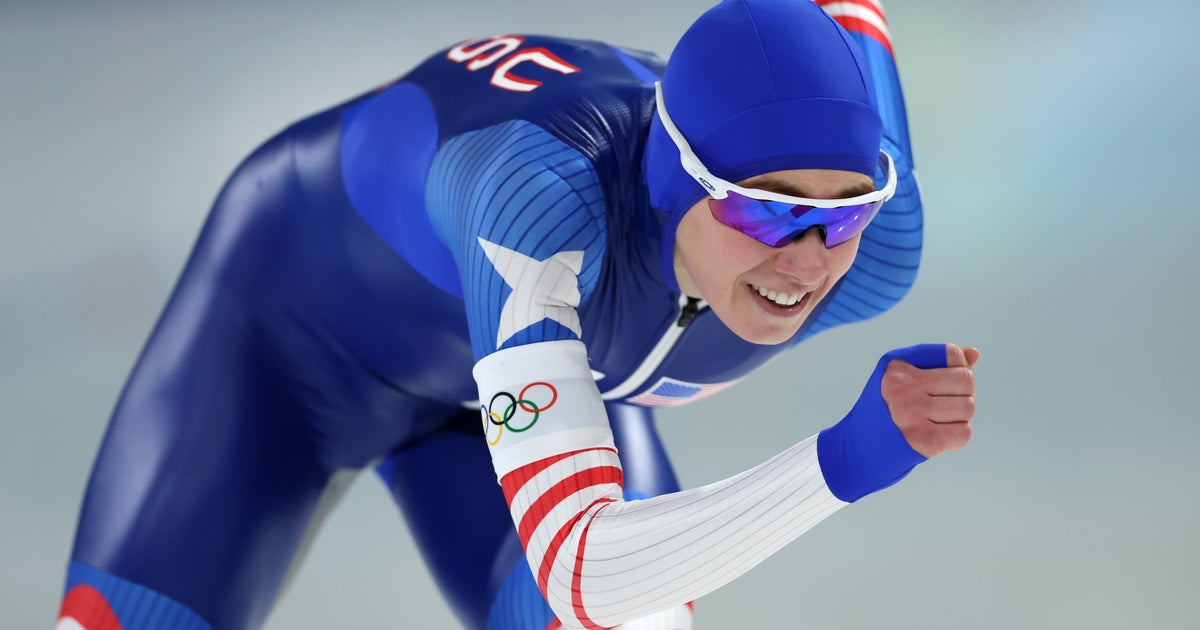
The 2026 Milano Cortina Winter Olympics delivered an unforgettable moment for young American speedskater Greta Myers when she received a surprise opportunity to compete in the women’s 3000-meter race. The 21-year-old from Minnesota wasn’t originally scheduled to participate in this particular event, but fate intervened when Czech skating legend Martina Sablikova made the difficult decision to withdraw from the competition. What makes this story particularly compelling is the short notice Myers received – just hours before the race – transforming what would have been a regular training day into her Olympic debut. The unexpected nature of this opportunity showcases one of the most beautiful aspects of Olympic competition: the way alternate athletes must remain ready at a moment’s notice, never knowing when their chance for glory might arrive. For Myers, this sudden call-up represented the realization of a dream she hadn’t expected to experience quite so soon in the Games.
The Emotional Withdrawal of a Champion
The circumstances that led to Myers’ opportunity were bittersweet, stemming from what Czech skating icon Martina Sablikova described as “the hardest sporting decision of her life.” Sablikova, who claimed gold in this very event at the 2010 Vancouver Games sixteen years earlier, found herself in the agonizing position of having to pull out of the competition. In her public statement, the veteran skater expressed feelings of helplessness and deep disappointment, offering apologies to her supporters, her country, and the sport she has represented with distinction for so many years. Her withdrawal reminds us that Olympic athletes are human beings who sometimes face impossible choices between pushing their bodies beyond reasonable limits and making the wise decision to step back. While the specific reasons for Sablikova’s withdrawal weren’t detailed, her emotional response suggests the weight of expectations and the personal sacrifice involved in reaching such a conclusion. Her decision, however difficult, opened the door for a young American skater to experience her Olympic moment.
How Myers Secured Her Spot
The path that put Greta Myers in position to receive this last-minute opportunity demonstrates the complex qualification system that governs Olympic speedskating. The United States had not qualified any female skaters for the women’s long-distance races at these Games, which initially meant Myers would only compete in her scheduled event, the 1500 meters. However, Myers’ impressive times throughout the qualification period were strong enough to earn her the designation of first alternate for the longer distance quota spots. This alternate status essentially meant she was next in line should any qualified skater be unable to compete. According to NBC’s reporting, this positioned Myers perfectly to step in when Sablikova’s withdrawal created an unexpected vacancy. The alternate system exists precisely for situations like this, ensuring that competition slots don’t go unfilled and that athletes who have trained at an elite level get their chance to shine. For Myers, all those hours of training, all the early mornings and physical sacrifice, suddenly had an additional purpose she hadn’t anticipated experiencing quite so soon.
A Whirlwind Preparation and Race Day Reality
In a social media post that captured her genuine excitement and surprise, Myers shared her feelings with followers on Saturday: “HEY! I’ll be racing the 3k today!!!! Quite unexpected but I’m so incredibly grateful to have the opportunity to skate and give it my very best!! Let’s go!!!!!” The multiple exclamation points perfectly conveyed the adrenaline and disbelief of someone receiving life-changing news with just hours to prepare mentally and emotionally for an Olympic race. Myers finished the 3000-meter competition in 20th place with a time of 4:13.46, a respectable showing given the circumstances, though well outside medal contention. Italy’s Francesca Lollobrigida dominated the race, setting an Olympic record with her stunning time of 3:54.28 to claim gold on home ice. Norway’s Ragne Wiklund secured silver, while Canada’s Valeria Maltais rounded out the podium with bronze. While Myers didn’t threaten the medal positions, her participation itself represented a victory – the chance to compete at the Olympics is something many talented athletes never experience, regardless of their finishing position.
Processing an Olympic Dream Come True
Speaking with NBC’s Lewis Johnson after the race, Myers offered insight into the emotional rollercoaster she’d experienced in the hours leading up to her unexpected Olympic debut. “When I first heard I was in the 3K, I had just fallen during an effort at top speeds, so I was a little bit shaken up and frustrated from the fall but after I really processed it that I’d be racing, I just couldn’t believe it,” she explained. The timing of receiving such monumental news immediately after a frustrating fall during training adds another layer to an already dramatic story. Myers revealed that the reality of the situation hit her particularly hard when walking back to the locker room, where she found herself tearing up as the magnitude of the moment sank in. She also candidly acknowledged that her body wasn’t at peak readiness for the 3000-meter race, explaining that she and her team are strategically training through this period to reach optimal performance for the team pursuit race scheduled for February 14th. This honest assessment demonstrates the professional approach of modern Olympic athletes, who must balance multiple events and carefully manage their physical preparation. Myers’ ability to compete respectably despite not being in race-specific condition speaks to her overall fitness level and mental toughness.
Looking Ahead to Future Opportunities
Despite the 20th-place finish in this surprise debut, Greta Myers has plenty of opportunities remaining at the Milano Cortina Games. She’s scheduled to compete in the women’s 1500 meters, the women’s 5000 meters, and the women’s Mass Start – events she’s been specifically preparing for throughout her training cycle. The unexpected 3000-meter race serves as valuable additional Olympic experience, helping to calm nerves and familiarize her with the unique atmosphere of competing on winter sports’ biggest stage. In her post-race comments, Myers expressed excitement about showing the world what she’s truly capable of when she’s at peak readiness: “I can’t wait to show you all what I have.” This forward-looking attitude, combined with her gracious handling of the surprise opportunity, suggests a mature competitor who understands that Olympic success isn’t always measured purely in medal count. For a 21-year-old athlete, gaining this experience while still having prime competitive years ahead represents an investment in future performance. The story of Greta Myers’ unexpected Olympic debut reminds us that the Games are about more than just podium finishes – they’re about athletes seizing opportunities, representing their countries with pride, and creating memories that will last a lifetime. Whether she medals in her upcoming events or not, Myers has already experienced something many athletes never do: the thrill of an impromptu Olympic moment that nobody, including herself, saw coming.