

Wall Street’s Digital Revolution: NYSE Takes Bold Step Toward Tokenized Securities
The Historic Application That Could Transform Traditional Finance
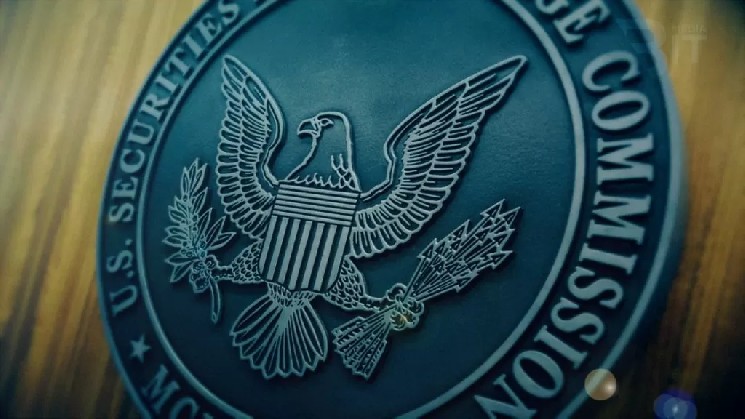
In a groundbreaking move that signals the growing convergence between traditional finance and blockchain technology, the New York Stock Exchange has submitted a formal application to the U.S. Securities and Exchange Commission requesting permission to begin trading tokenized securities on its platform. This development represents one of the most significant steps yet in bridging the gap between conventional stock markets and the emerging world of digital assets. The application, if approved, would fundamentally change how investors interact with stocks and exchange-traded funds, potentially ushering in a new era of financial market operations that combines the reliability and regulatory oversight of traditional exchanges with the technological advantages of blockchain-based systems. For everyday investors, this could mean faster transactions, increased transparency, and potentially lower costs when buying and selling securities. The NYSE’s decision to pursue this path demonstrates that even the most established financial institutions recognize the inevitable shift toward digital asset integration in mainstream markets.
Understanding the Proposed Framework and What It Means for Investors
The NYSE’s proposal is carefully designed to work within the existing regulatory framework while introducing blockchain technology into the equation. According to the details outlined in the application, the exchange wants to enable tokenized versions of eligible stocks and ETFs to trade alongside their traditional counterparts under a three-year pilot program managed by the Depository Trust Company (DTC). What makes this approach particularly interesting is how it maintains continuity with the existing system—tokenized securities would retain the same CUSIP identification numbers, ticker symbols, rights, and privileges as their traditional versions. This means that whether you’re buying a tokenized share or a traditional share of a company, you’re essentially purchasing the exact same investment with identical ownership rights. The tokenized and traditional securities would even share the same order book on the exchange, meaning they’d compete for the same buyers and sellers, following identical rules for order priority and execution. This seamless integration is intentional, designed to make the transition as smooth as possible for investors, brokers, and market makers who are already familiar with how the NYSE operates.
The Technical Reality: Blockchain Benefits With Traditional Settlement
While the term “tokenization” might conjure images of completely decentralized, blockchain-based trading systems, the NYSE’s proposal takes a more measured approach that balances innovation with practicality. Interestingly, despite the securities being tokenized, the actual clearing and settlement processes would not occur on the blockchain itself. Instead, these critical back-office functions would continue to operate through the existing market infrastructure via the Depository Trust Company, which already handles the vast majority of securities transactions in the United States. Trades would still be completed within the T+1 clearing cycle, which is the current standard that requires transactions to be settled one business day after the trade date. This hybrid approach addresses one of the major concerns that regulators and traditional financial institutions have had about fully blockchain-based systems—the question of regulatory oversight, investor protection, and integration with existing market surveillance tools. By keeping the settlement process within the established infrastructure while tokenizing the securities themselves, the NYSE is essentially testing the waters for blockchain technology in a controlled environment that minimizes disruption to the broader financial system while still offering some of the benefits that tokenization can provide.
The Shadow Market: Tokenized Securities Already Trading in Crypto Space
What many traditional investors may not realize is that tokenized securities aren’t exactly a new phenomenon—they’ve been trading in various forms within the cryptocurrency ecosystem for some time now, though without official regulatory approval or oversight from major financial regulators. These existing tokenized securities exist in a gray area of the market, where innovative blockchain projects have created digital representations of traditional stocks, commodities, and other assets that can be traded on decentralized exchanges and other cryptocurrency platforms. While these offerings have attracted interest from crypto-native investors who want exposure to traditional assets without leaving the blockchain ecosystem, they’ve also raised significant regulatory concerns. Many of these tokenized securities operate without proper licensing, may not provide actual ownership rights in the underlying assets, and exist outside the investor protection frameworks that govern traditional securities markets. The NYSE’s formal application to the SEC represents an attempt to bring legitimacy, regulatory compliance, and institutional-grade infrastructure to the concept of tokenized securities, potentially offering a regulated alternative to the unofficial tokenized assets that currently trade in the crypto market. This development could eventually lead to a consolidation where officially sanctioned tokenized securities replace the various unauthorized versions currently available.
Why This Matters: The Broader Implications for Financial Markets
The significance of the NYSE’s application extends far beyond simply adding a new type of security to its trading platform. This move represents a fundamental acknowledgment by one of the world’s most prestigious and longest-established financial institutions that blockchain technology and tokenization are not passing fads, but rather transformative forces that will shape the future of capital markets. If approved, this pilot program could pave the way for a gradual but profound restructuring of how securities are issued, traded, and settled. The potential benefits of tokenization include increased market efficiency through 24/7 trading possibilities, fractional ownership of expensive securities making investing more accessible to smaller investors, programmable features that could automate dividend payments and corporate actions, enhanced transparency through immutable blockchain records, and reduced costs by eliminating various intermediaries in the trading and settlement process. For everyday investors, these changes could translate to lower trading fees, faster access to their funds after selling securities, and new investment opportunities that weren’t previously available. However, there are also questions about how this technology will interact with existing market protections, how disputes will be resolved, and whether the benefits will materially improve upon the already highly efficient U.S. securities markets.
Looking Ahead: The Path Forward for Digital Securities
As the SEC reviews the NYSE’s application, the financial world is watching closely to see how regulators will respond to this formal request to integrate blockchain technology into the heart of American capital markets. The three-year pilot program proposed by the NYSE and DTC suggests a cautious, methodical approach to innovation—one that allows for real-world testing while maintaining the ability to pull back if unexpected problems arise. The outcome of this application will likely influence not just the NYSE but also other exchanges and financial institutions around the world that are considering similar moves toward tokenization. If approved and successful, we could see an acceleration of blockchain adoption across traditional finance, with other asset classes like bonds, real estate securities, and derivatives potentially following stocks and ETFs into tokenization. However, it’s important for investors to maintain realistic expectations about the timeline and scope of these changes. Even if the SEC approves the application, the transformation of securities markets will likely be gradual rather than revolutionary, with tokenized and traditional securities coexisting for years or even decades as the infrastructure, regulations, and market practices evolve. As always, investors should remember that whether securities are tokenized or traditional, the fundamental principles of investing remain unchanged—understanding what you own, diversifying your portfolio, and maintaining a long-term perspective continue to be the foundations of investment success regardless of the underlying technology.