


Vitalik Buterin’s Latest Memecoin Sale: What It Means for Crypto Investors
The Transaction That Got Everyone Talking
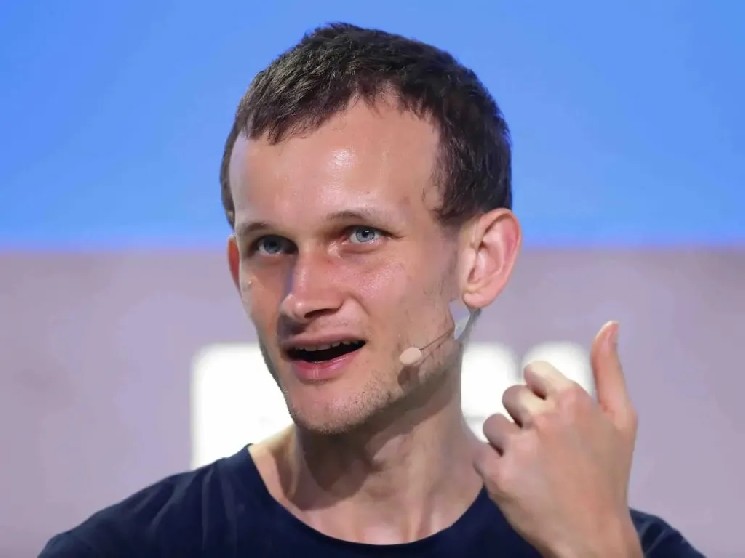
Vitalik Buterin, the brilliant mind behind Ethereum and one of cryptocurrency’s most recognized figures, has once again found himself at the center of attention in the crypto world. This time, it’s not about a groundbreaking technological advancement or a visionary statement about blockchain’s future—it’s about memecoins. According to recent data from Onchain Lens, a respected provider of blockchain analytics, Buterin recently liquidated a substantial holding of ASTEROID tokens, converting 40 million of these digital assets into approximately $114,566. What makes this transaction particularly interesting is that Buterin didn’t actually purchase these tokens himself. Instead, they were gifted to him, a practice that has become surprisingly common in the fast-moving world of cryptocurrency, where project developers and enthusiastic community members often send tokens to influential figures hoping for recognition, endorsement, or simply the prestige of having their project associated with a crypto celebrity.
This isn’t an isolated incident for Buterin. The Ethereum co-founder has a history of receiving unsolicited token donations, and his wallet has become something of a destination for projects seeking visibility. While these donations might seem like generous gifts on the surface, they’re actually sophisticated marketing maneuvers. By sending tokens to someone as prominent as Buterin, developers hope to create buzz around their projects, generate social media discussion, and potentially influence the market perception of their tokens. It’s a strategy born from the unique dynamics of the cryptocurrency space, where association with the right people can mean the difference between a project that languishes in obscurity and one that captures the imagination—and wallets—of investors worldwide.
The Marketing Strategy Behind Unsolicited Token Donations
In the traditional business world, celebrity endorsements come with contracts, negotiations, and substantial payment. The cryptocurrency ecosystem has flipped this model on its head, creating a practice where projects essentially force their way into the wallets of influential figures, hoping that any subsequent action—even a simple sale—will generate attention. For projects with limited marketing budgets or those struggling to differentiate themselves in an increasingly crowded marketplace, sending tokens to someone like Vitalik Buterin represents a low-cost, high-potential-return strategy. The logic is straightforward: if Buterin holds the tokens, there’s a chance he might mention them, use them, or at minimum, create a transaction that blockchain analysts will notice and report on, generating free publicity.
However, this strategy carries significant risks for the projects themselves. While the initial donation might create a brief spike in interest, what happens when someone like Buterin decides to sell can be devastating. His sales of similar tokens in the past have triggered noticeable price fluctuations, sometimes causing dramatic drops as markets interpret his selling as a negative signal about the token’s value or prospects. It’s a double-edged sword: the same prominence that makes his association valuable also means his actions carry outsized consequences. For smaller projects with limited liquidity and market depth, a single large sale by a high-profile holder can create waves that destabilize the entire token economy, potentially wiping out gains and shaking investor confidence in ways that take months to recover from, if they ever do.
ASTEROID’s Volatile Journey and the Elon Musk Factor
The ASTEROID token at the center of this latest transaction has experienced the kind of roller-coaster price action that has become characteristic of the memecoin category. Unlike established cryptocurrencies with clear use cases, technological innovations, or established ecosystems, memecoins typically derive their value primarily from community enthusiasm, social media trends, and the attention of influential figures. ASTEROID has demonstrated exactly this kind of volatility recently, with price swings that would give traditional investors heart palpitations but which crypto traders have learned to expect from this particular asset class.
Adding fuel to this already volatile fire was a post from Elon Musk, the Tesla and SpaceX CEO whose relationship with cryptocurrency markets has become legendary—and sometimes infamous. Musk’s influence on crypto prices, particularly in the memecoin space, is well-documented. His tweets have sent Dogecoin soaring, created entirely new tokens, and triggered buying frenzies that have enriched some investors while leaving others holding worthless assets. When Musk mentioned something that traders associated with ASTEROID, the token experienced significant price movements, demonstrating once again how susceptible these assets are to external influences that have nothing to do with fundamental value or technological merit. This dynamic creates an environment where fortunes can be made or lost not based on careful analysis or rational investment decisions, but on the whims of a few powerful individuals with massive social media followings.
What’s Still in Buterin’s Wallet and What It Means
Perhaps the most concerning aspect of this story for ASTEROID holders and similar memecoin investors is what Onchain Lens revealed about Buterin’s remaining holdings. According to their analysis, the Ethereum founder still possesses a considerable quantity of donated memecoins in his wallet, meaning that the recent ASTEROID sale might not be an isolated event but rather the beginning of a pattern. This revelation creates what experts describe as an “overhang” effect—a situation where the known existence of large holdings by a single individual creates persistent downward pressure on prices because market participants understand that additional sales could happen at any time.
For tokens with relatively small market capitalizations, this situation presents a particular challenge. When total trading volume is limited and liquidity is thin, even moderately sized sales can have disproportionate impacts on price. If Buterin were to sell his entire holdings of multiple donated tokens over a short period, it could trigger cascading effects across the memecoin ecosystem, potentially causing panic selling as investors rush to exit positions before prices drop further. This isn’t merely theoretical speculation—it’s a practical concern that sophisticated investors factor into their decision-making processes when evaluating whether to enter or maintain positions in these types of assets. The knowledge that someone with Buterin’s profile holds significant quantities of a token creates uncertainty, and markets historically do not reward uncertainty with stable or rising prices.
Expert Warnings and the Reality of Memecoin Investing
Cryptocurrency analysts and industry experts have been increasingly vocal about the risks associated with low-market-cap tokens, particularly those in the memecoin category. While the potential for dramatic gains attracts investors, the reality is that these assets carry substantial risks that go far beyond normal market volatility. The concentration of holdings in the hands of a few individuals—whether project founders, early investors, or involuntary recipients like Buterin—creates structural vulnerabilities that can be exploited or that can simply result in catastrophic losses when these holders decide to liquidate positions.
The warning from experts that investors should “exercise caution” with such assets is perhaps understated given the actual risk profile. Unlike traditional investments where company fundamentals, earnings reports, and economic indicators provide frameworks for valuation, memecoins operate in a realm where price is largely disconnected from any underlying value. They exist in a purely speculative space where sentiment, social media trends, and the actions of influential individuals drive price movements. This doesn’t make them inherently illegitimate as investment vehicles, but it does require a completely different approach to risk management. Investors in these assets need to understand that they’re not buying into technology or future utility—they’re essentially placing bets on continued community enthusiasm and hoping to exit before that enthusiasm wanes or before a large holder decides to sell.
Navigating the Complex World of Cryptocurrency Investments
The Vitalik Buterin ASTEROID situation provides valuable lessons for anyone involved in or considering entering the cryptocurrency markets. First, it illustrates how unsolicited token donations to prominent figures can backfire on projects, creating potential selling pressure rather than the positive association developers hoped for. Second, it demonstrates the outsized influence that individuals can have on cryptocurrency prices, particularly in the memecoin space where fundamental analysis provides little guidance. Third, it highlights the importance of understanding token distribution and holder concentration when evaluating investment opportunities.
For those considering investments in similar assets, several principles should guide decision-making. Understanding who holds large quantities of tokens and their likely behavior is crucial. Recognizing that prices can be influenced by factors completely unrelated to the token itself—like a tweet from Elon Musk or a sale by Vitalik Buterin—is essential for setting appropriate expectations. Most importantly, investors should only allocate funds they can afford to lose entirely to these speculative assets, treating them as high-risk opportunities rather than core portfolio holdings. The crypto space offers genuine innovation and potentially transformative technology, but it also includes purely speculative assets whose value rests primarily on perception and momentum. Distinguishing between these categories and approaching each with appropriate strategies is the difference between successful cryptocurrency investing and expensive lessons in market dynamics. As always, conducting thorough research, understanding the specific risks of any investment, and never investing more than you can afford to lose remain timeless principles that apply whether you’re buying blue-chip stocks or the latest memecoin.