


OneTaste’s Campaign for Presidential Pardons: A Case Study in Modern Clemency Politics
The Controversial Company and Its Criminal Convictions
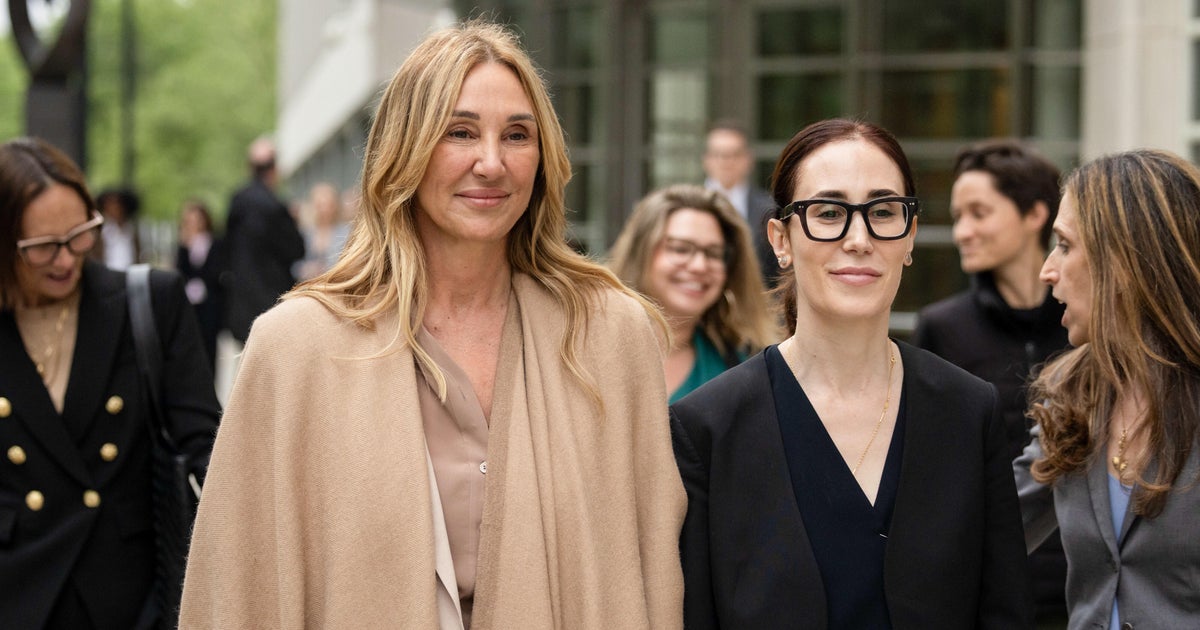
OneTaste, a San Francisco-based company that prosecutors described as operating like a sex cult under the guise of “orgasmic meditation” practices, has launched an aggressive campaign to secure presidential pardons for its two convicted leaders. In March of this year, a federal judge handed down significant prison sentences to the company’s former CEO and founder Nicole Daedone and former head of sales Rachel Cherwitz—nine years and over six years respectively. The women were convicted in 2025 on charges of forced labor conspiracy, with prosecutors painting a disturbing picture of an organization that coerced staff members into performing degrading and traumatic tasks, including sexual acts, while providing little to no compensation. The defense team countered this narrative by characterizing OneTaste as a women’s empowerment business where participation was entirely voluntary and members could leave whenever they chose. Despite these arguments, the convictions stood, though the defendants have filed appeals. Now, as the legal battle continues, OneTaste has embarked on a multifaceted strategy to secure clemency that reveals much about how the pardon process has evolved during President Trump’s second term in office.
Navigating the New Pardon Landscape
While OneTaste has taken the traditional route of submitting formal pardon applications to the Justice Department for both Daedone and Cherwitz, the company has also embraced what experts describe as an increasingly informal and unconventional approach to securing presidential clemency. This strategy involves extensive outreach to President Trump’s allies, including attorneys, political operatives, media personalities, and various influencers within the MAGA orbit. According to Rachel Barkow, a law professor at New York University who specializes in executive clemency, this approach represents a significant departure from historical norms. “It’s of a magnitude that I’ve never seen before,” Barkow explained to CBS News, adding a pointed critique: “We don’t seem to have a functioning clemency process for everyone else who doesn’t have these connections.” This observation highlights a troubling reality where access to justice through presidential pardons appears increasingly dependent on personal connections and the ability to navigate informal power networks rather than the merits of the case itself. The OneTaste campaign exemplifies a playbook that numerous pardon-seekers have employed since the beginning of President Trump’s second term, suggesting a systematic transformation in how clemency decisions are influenced and ultimately made.
High-Profile Advocates and Conservative Allies
At the forefront of OneTaste’s pardon effort stands Alan Dershowitz, the well-known defense attorney who successfully leveraged his access to President Trump during the first administration to influence several clemency decisions. Dershowitz has framed the OneTaste prosecution in constitutional terms, telling CBS News that he believes “the indictment is so broad that it really endangers religious practices and religious freedom.” While OneTaste initially paid Dershowitz for advice on their legal appeal, he reports now working on their behalf pro bono because he genuinely supports their cause. Beyond Dershowitz, the company has cultivated relationships with a roster of prominent conservative figures. Former Republican Florida Congressman Matt Gaetz, who himself faced a federal sex trafficking investigation that ultimately produced no charges, hosted a segment about the case on his One America News show, arguing that “nobody was forced or restrained or otherwise threatened to continue participating” in OneTaste events. Political consultant Roger Stone, another Trump ally, discussed the case on his podcast and told CBS News that the convictions “really raise serious constitutional issues.” Sources indicate that OneTaste also reached out to Steve Bannon and MAGA influencer Laura Loomer, though Loomer claims not to recall the contact, citing the volume of requests she receives. The company has also retained Adam Katz, a MAGA-connected attorney who has worked on multiple pardon cases during Trump’s second term and previously represented Rudy Giuliani in a defamation case related to efforts to overturn the 2020 election results.
Strategic Washington Connections and Congressional Outreach
OneTaste’s strategy extends beyond media personalities to include systematic cultivation of relationships with influential Washington figures and institutions. Marcus Ratnathicam, a former OneTaste employee, has played a central role in these efforts, reaching out on social media to Mike Howell before Trump’s second inauguration. Howell, who runs the Oversight Project—a nonprofit investigating alleged government weaponization—has since become a vocal public advocate for Daedone and Cherwitz. Significantly, Howell maintains close ties with Ed Martin, now serving as the U.S. pardon attorney, placing him in an ideal position to influence clemency decisions. His organization published a report in January highlighting the OneTaste case, lending it additional legitimacy and visibility. Ratnathicam has also briefed members of the House Judiciary Committee, led by Republican Ohio Congressman Jim Jordan, about the case, while simultaneously engaging with organizations across the ideological spectrum, including the libertarian Cato Institute and the American Civil Liberties Union. These diverse contacts suggest a sophisticated strategy designed to frame the OneTaste prosecution as a bipartisan concern about government overreach rather than a straightforward criminal matter. Howell has publicly stated that the Justice Department and President Trump should “take corrective steps” to review the case, arguing that the convictions could set a dangerous precedent for targeting other groups in the future.
The Patriot Freedom Project Connection
Perhaps most revealing of OneTaste’s strategy is the company’s alliance with Cynthia Hughes, who runs the Patriot Freedom Project and shares a close friendship with pardon attorney Ed Martin. Martin previously served on the board of directors for Hughes’ organization and received a stipend from it, according to his government financial disclosure—a relationship that raises questions about potential conflicts of interest in the clemency review process. Hughes’ nonprofit has characterized the OneTaste case as an instance of government weaponization, publishing a blog post declaring that “conservatives recognize that this type of legal theory will come for them next.” The post frames Daedone and Cherwitz as victims targeted “for running a successful sexual wellness business based on voluntary association” and features supportive quotes from both Dershowitz and Stone. Hughes’ group also promoted a video of OneTaste’s current CEO, Anjuli Ayer, discussing the prosecution while explicitly connecting the company’s fight to MAGA ideology: “We took the president’s mantra, ‘fight, fight, fight,’ and we followed it,” Ayer stated. Hughes has an established track record in the pardon arena, having advocated for January 6th defendants before President Trump issued pardons or commutations for people involved in the 2021 Capitol riot. Her organization also claims credit for helping secure Trump’s pardon of Michael McMahon, a former police officer convicted of acting as an illegal foreign agent and stalking. Visitor logs reveal that Hughes has attended at least seven meetings at the pardon office with Martin and other officials since last year, with OneTaste representatives Ayer and Ratnathicam present at two of those meetings.
The Evolving Nature of Presidential Clemency
The OneTaste pardon campaign illuminates broader concerns about how the clemency process has evolved during President Trump’s second administration. White House press secretary Karoline Leavitt has insisted that anyone “spending money to lobby for pardons is foolishly wasting their money” and that the administration maintains a “robust pardon review process, which includes White House counsel, the Department of Justice and ultimately the president himself as the final decider.” However, the extensive network of relationships, back-channel communications, and strategic alliances that OneTaste has cultivated suggests a different reality—one where informal connections and political alignment may carry as much or more weight than formal legal processes or the substantive merits of a case. A Trump administration official, speaking anonymously, acknowledged that Martin is viewed by some in the MAGA base “with wants” like Hughes “as their best chance” at securing pardons, confirming the perception that personal connections to key decision-makers significantly impact outcomes. OneTaste insiders have expressed optimism about their prospects precisely because of these connections, with one source stating, “It is widely known that Cynthia has access to people in influential places, and it’s no stretch that anyone who can open doors is someone worth having as an ally.” Current CEO Anjuli Ayer has defended the support Daedone and Cherwitz have received, attributing it to the “injustice” of the prosecution: “You ask why so many people could see this and advocate for it. Not for money, but for the simple, plain fact that there’s a justice issue here.” Whether this campaign ultimately succeeds remains to be seen, but it has already provided a revealing case study of how clemency-seekers navigate the informal power structures of contemporary Washington, raising fundamental questions about equal access to justice and the integrity of the pardon process itself.