


Diplomatic Breakdown: US-Iran Ceasefire Talks Hit a Wall
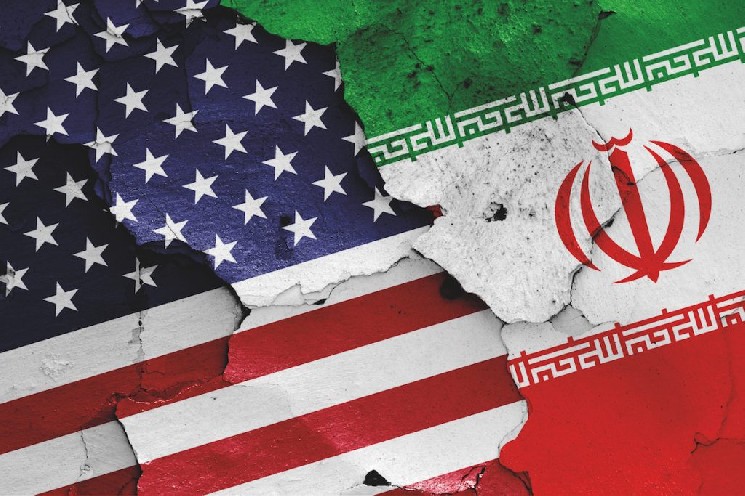
The fragile diplomatic bridge between Washington and Tehran appears to be crumbling as efforts to broker a ceasefire have ground to a halt. What many international observers had hoped would be a pathway to de-escalation has instead become mired in fundamental disagreements, with neither side willing to budge from their positions. The situation represents not just a failure of this particular round of negotiations, but potentially a broader collapse in the diplomatic channels that have been painstakingly built over recent months. As tensions continue to simmer in the Middle East, the breakdown of these talks raises serious questions about what comes next and whether military confrontation might become inevitable. The international community watches nervously as two powerful nations seem unable to find common ground, despite the high stakes involved for regional stability and global security.
The Diplomatic Deadlock: Why Talks Have Failed
According to reporting by The Wall Street Journal, the current round of ceasefire negotiations between the United States and Iran has reached what diplomats are calling a “dead end.” This isn’t just a temporary pause or a minor setback in the talks—it represents a fundamental impasse where the positions of both nations appear irreconcilable. The core of the problem lies in Iran’s response to the proposals brought forward by international mediators. Tehran has made its position crystal clear: it has no interest in sitting down with American officials for planned meetings in Islamabad in the coming days. This rejection isn’t just about scheduling conflicts or diplomatic protocol—it signals a deeper resistance to engaging with Washington under the current terms being offered. Iranian officials have gone further, publicly characterizing America’s demands as “unacceptable,” language that leaves little room for compromise or creative diplomatic solutions. This harsh rhetoric from Tehran suggests that whatever proposals the US has put on the table are so far from Iran’s red lines that the Iranian government doesn’t see any point in continuing the conversation. For mediators who have invested considerable time and political capital in bringing both sides together, this represents a significant setback and raises questions about whether alternative approaches might be needed or if the diplomatic window is closing altogether.
Military Escalation: A US Warplane Goes Down
While diplomats have been struggling in conference rooms, the military situation on the ground has taken a dramatic and dangerous turn. According to Axios, a US warplane has been shot down over Iranian territory, marking a significant escalation in the conflict and adding a new layer of urgency to an already tense situation. The downing of an American aircraft represents exactly the kind of incident that can transform a contained regional dispute into something far more serious. When military personnel are directly endangered, the political pressure on leaders to respond forcefully increases exponentially, making diplomatic solutions even harder to achieve. Following the incident, US forces immediately launched search and rescue operations to locate the crew of the downed aircraft. These operations are among the most dangerous missions military forces undertake, particularly when conducted in hostile territory where enemy forces may be actively searching for the same personnel. The human dimension of this incident cannot be overstated—real people with families and loved ones are now in danger, adding emotional weight to what had been largely a political and strategic standoff. According to CBS News, American forces have managed to successfully rescue at least one crew member from the downed aircraft, a development that likely brought enormous relief to military commanders and families waiting anxiously for news. However, the report’s specificity about “one crew member” raises troubling questions about whether others were aboard and, if so, what their current status might be. Search and rescue operations in hostile territory can take days and involve considerable risk to additional personnel, meaning this single incident could continue to drive events and decisions for some time to come.
Israel’s Calculated Restraint
In a development that reveals the complex web of military and diplomatic considerations at play in the region, Axios reports that Israel has canceled planned attacks on Iranian targets. This decision wasn’t made because of a change in Israel’s strategic calculations or a sudden warming of relations with Tehran. Instead, Israeli military planners made the pragmatic choice to stand down in order to avoid interfering with American search and rescue operations following the downing of the US aircraft. This moment of restraint demonstrates several important realities about the current situation. First, it shows that despite the breakdown in formal ceasefire talks, there remains some level of coordination and consideration among the various parties involved in the broader conflict. Israel’s willingness to postpone its own military operations to support American rescue efforts speaks to the strength of the US-Israel alliance and the sophisticated level of military coordination between the two nations. Second, it suggests that Israeli military action against Iran is not a question of “if” but “when”—the attacks have been postponed, not abandoned entirely. Once US personnel are safely recovered, these planned strikes may well proceed, potentially opening a new phase in the conflict. Third, this decision highlights how quickly military events can change strategic calculations. What might have been carefully planned strikes coordinated with diplomatic initiatives have now been disrupted by the unforeseen incident of the downed aircraft. The fog of war is real, and even the best-laid plans can be thrown into chaos by unexpected developments on the ground.
The Broader Regional Implications
The failure of ceasefire negotiations and the escalation of military incidents don’t exist in a vacuum—they have significant implications for the entire Middle East region and beyond. When the United States and Iran move closer to direct military confrontation, every nation in the region must recalculate its own security position and alliances. Countries like Saudi Arabia, the United Arab Emirates, Iraq, and others find themselves in increasingly difficult positions, pressured to choose sides or at least accommodate the military operations of more powerful actors. The shooting down of a US aircraft over Iranian territory is particularly significant because it demonstrates Iran’s willingness and capability to strike at American military assets directly. This isn’t a proxy battle fought through allied militias or indirect action—it’s a direct engagement between Iranian and American forces. Such incidents historically have a way of taking on a momentum of their own, with each side feeling compelled to respond to maintain credibility and deterrence. The international community, including traditional American allies in Europe and Asia, must also grapple with what these developments mean for global stability and economic security. The Middle East remains a critical region for energy supplies, and any major military confrontation there sends shockwaves through global oil markets and can have far-reaching economic consequences that affect people far from the region itself.
What Comes Next: Scenarios and Possibilities
With diplomatic channels apparently blocked and military incidents escalating, the question becomes: where do things go from here? Several possible scenarios present themselves, none of them particularly encouraging. In the most optimistic case, the shock of the downed aircraft and the real danger it represents might actually push both sides back toward negotiations with a renewed sense of urgency. Sometimes it takes a near-miss with catastrophe to make political leaders more willing to compromise. However, this seems unlikely given the strong language coming from Tehran about US demands being “unacceptable.” A more probable scenario involves a period of continued military escalation with both sides conducting strikes and counterstrikes while trying to avoid crossing thresholds that would lead to all-out war. This kind of “limited confrontation” is incredibly dangerous because it relies on both sides correctly reading each other’s red lines and intentions—something that is notoriously difficult in the heat of conflict. There’s also the possibility that third-party mediators might find a new approach or framework for negotiations that addresses Iran’s concerns while meeting America’s core security needs. Countries like Oman, Qatar, or even China might play a role in crafting creative diplomatic solutions that the direct parties haven’t considered. The worst-case scenario, of course, is that the current trajectory continues until a major military confrontation becomes unavoidable, with devastating consequences for the region and potentially drawing in other powers in ways that further complicate an already dangerous situation.
Conclusion: A Critical Moment
The current impasse in US-Iran ceasefire negotiations, combined with the downing of an American warplane, represents one of the most dangerous moments in the relationship between these two nations in years. The diplomatic track appears broken, with Iran refusing to meet and calling American proposals unacceptable. Meanwhile, military events are creating their own momentum, with search and rescue operations underway and Israeli strikes temporarily postponed but likely still planned. For people watching from outside the region, it’s easy to see these developments as abstract geopolitical chess moves. But the reality is that real human lives hang in the balance—the crew members of that downed aircraft and their families, the military personnel on all sides who may be ordered into combat, and the civilian populations throughout the region who would bear the brunt of any wider conflict. The coming days and weeks will be critical in determining whether cooler heads can prevail and find a diplomatic off-ramp from this crisis, or whether the Middle East is headed for another major military confrontation with consequences that will ripple across the globe. The world can only hope that leaders on all sides recognize the stakes and find the wisdom and courage to step back from the brink before it’s too late.