

Bad Bunny Takes Center Stage: A Historic Super Bowl Halftime Show
A Cultural Milestone in American Sports Entertainment
Super Bowl Sunday has arrived, and anticipation is reaching fever pitch as Bad Bunny prepares to deliver what promises to be a groundbreaking halftime performance at Levi Stadium in Santa Clara, California. The Grammy-winning artist, whose meteoric rise from the streets of Puerto Rico to global superstardom has captivated millions, is set to make history by bringing Spanish-language music and Puerto Rican culture to one of the world’s biggest stages. This performance represents far more than just entertainment—it’s a cultural watershed moment that reflects the evolving landscape of American music and the increasing recognition of Latino artists in mainstream media. Bad Bunny’s selection as the halftime headliner comes on the heels of his historic Grammy win, where his latest album “DeBÍ TiRAR MáS FOToS” became the first entirely Spanish-language project ever to win the coveted Album of the Year award. This achievement alone speaks volumes about the artist’s influence and the growing acceptance of non-English music in spaces traditionally dominated by English-speaking performers.
The Man Behind the Music: From Vega Baja to the World Stage
Born Benito Antonio Martínez Ocasio in Bayamón, Puerto Rico, Bad Bunny’s journey to superstardom is the embodiment of the American dream, albeit with a distinctly Caribbean flavor. Raised in the modest town of Vega Baja by his parents Tito Martínez, a truck driver, and Lysaurie Ocasio, a schoolteacher, the artist has never forgotten his roots despite achieving unprecedented success. His humble beginnings have shaped not only his artistic identity but also his unwavering commitment to representing Puerto Rican culture and the broader Latino community on the global stage. In a recent interview, Bad Bunny reflected on his unexpected rise to fame with characteristic humility, stating, “I was never looking for this. My biggest pleasure is to create, have fun doing it and connect with the people.” This genuine connection with his audience has been a cornerstone of his appeal, allowing him to transcend language barriers and cultural boundaries while maintaining his authentic voice and staying true to his heritage.
What to Expect: A Celebration of Puerto Rican Heritage
While Bad Bunny has characteristically remained tight-lipped about the specific details of his halftime performance, fans can expect a vibrant celebration of Puerto Rican culture combined with his biggest hits. The setlist is anticipated to include songs from his critically acclaimed latest album “DeBÍ TiRAR MáS FOToS,” which resonated deeply with audiences worldwide and ultimately earned him the historic Grammy. At a press conference held on Thursday before the big game, the three-time Grammy winner maintained an air of mystery about the show’s specifics, offering only that he’s “just trying to enjoy it” and expressing confidence that he and his entire crew “are going to have fun that day.” This relaxed approach is quintessentially Bad Bunny—an artist who has consistently prioritized authenticity and joy over calculated perfection. The performance marks not just a personal milestone for the artist but represents a significant moment for Spanish-language music in American popular culture, potentially opening doors for future Latino artists to occupy similar spaces in mainstream entertainment.
Controversy and Support: A Nation Divided
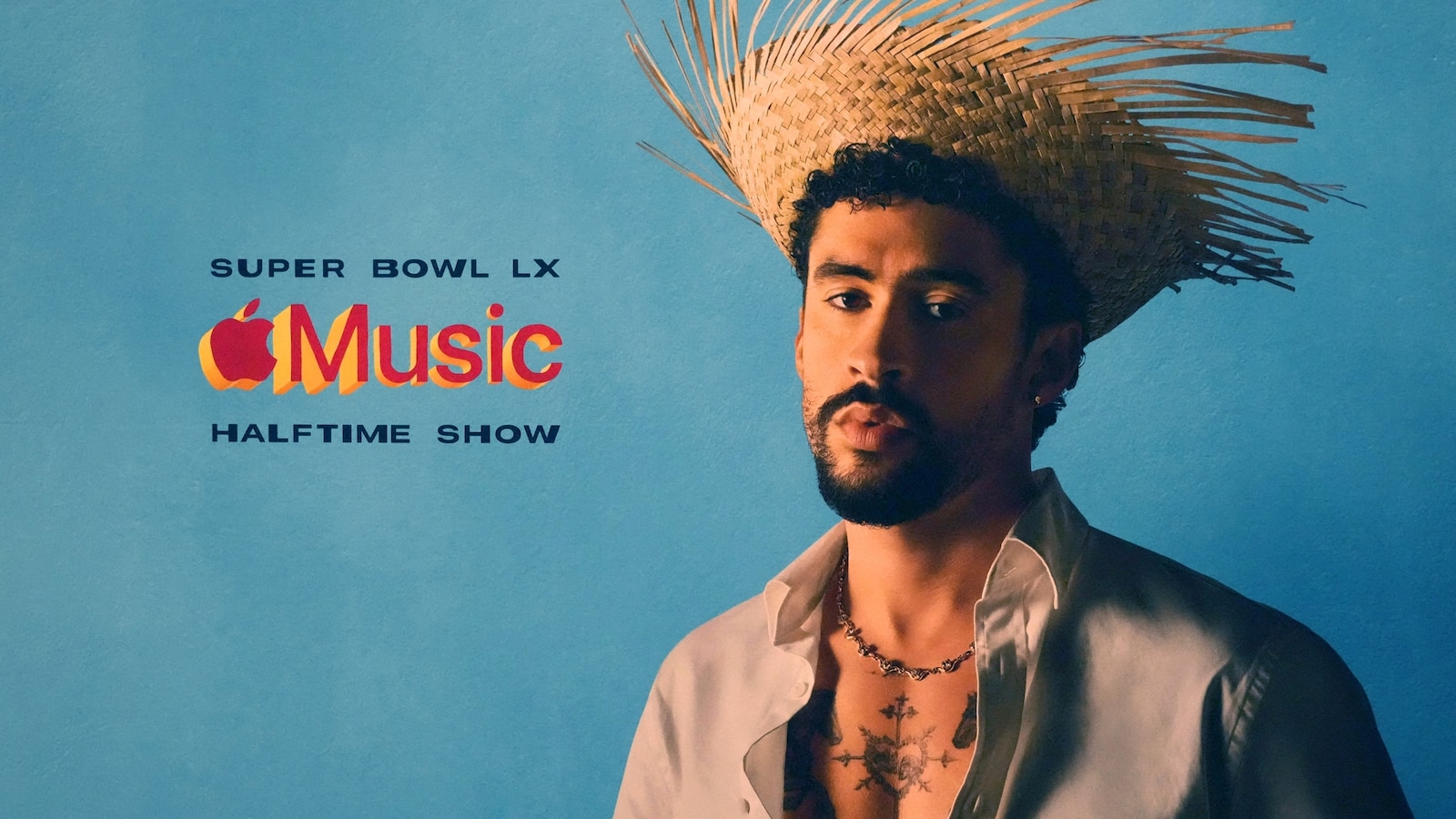
The announcement of Bad Bunny as the Super Bowl halftime headliner, made jointly by Apple Music, the NFL, and Roc Nation back in September, sparked immediate reactions from both sides of the political spectrum. While millions of fans celebrated the selection as a long-overdue recognition of Latino contributions to American music and culture, some conservative groups and commentators voiced strong opposition. Much of the criticism has focused on Bad Bunny’s outspoken advocacy for immigrants in the United States and his unapologetic embrace of his Puerto Rican identity. During his Album of the Year acceptance speech at the Grammys on February 1st, Bad Bunny dedicated the award “to all the people that had to leave their homeland, their country, to follow their dreams”—a statement that further inflamed tensions among his critics. Turning Point USA, a prominent conservative advocacy group, has organized counterprogramming in response, planning to stream an alternative halftime show featuring Kid Rock on Sunday. This political polarization surrounding what should be simply an entertainment event reflects broader tensions in American society regarding immigration, cultural identity, and the changing face of American popular culture.
The NFL Stands Firm: Defending Artistic Excellence
Despite the backlash from certain quarters, the NFL has steadfastly supported its choice of Bad Bunny as the halftime performer, viewing him primarily as what he is: one of the world’s most talented and popular artists. At a press conference in the days leading up to the Super Bowl, NFL Commissioner Roger Goodell appeared to reaffirm the league’s backing of the Puerto Rican superstar, describing him simply as “one of the great artists in the world.” This endorsement speaks to a broader understanding within the league and its partners that the Super Bowl halftime show should reflect the diversity of the NFL’s fanbase and the contemporary music landscape. The selection of Bad Bunny represents a continuation of the NFL’s recent efforts to feature diverse artists who appeal to younger, more multicultural audiences—a demographic that is increasingly important to the league’s future success. By choosing Bad Bunny, the NFL has made a statement that talent and cultural significance matter more than political controversy, and that the Super Bowl should be a unifying cultural event that celebrates artistic excellence in all its forms.
A Moment Bigger Than Football: Looking Forward
As Bad Bunny prepares to take the stage at Levi Stadium, the significance of this moment extends far beyond the boundaries of sports or even music. For millions of Latino Americans, particularly Puerto Ricans, seeing one of their own perform at the Super Bowl halftime show represents validation and visibility in a cultural space from which they’ve often felt excluded. For the broader American audience, it’s an opportunity to experience the richness and vibrancy of Puerto Rican culture and Spanish-language music in one of the country’s most-watched events. The performance will undoubtedly be scrutinized, celebrated, and debated in the days and weeks to come, but its impact will likely be felt for years as it potentially paves the way for more diverse representation in mainstream American entertainment. Bad Bunny’s journey from the streets of Vega Baja to the Super Bowl stage embodies a story of talent, persistence, and cultural pride that resonates with anyone who has ever felt like an outsider. Regardless of the political noise surrounding the event, the halftime show promises to be a spectacular celebration of music, culture, and the universal language of artistic expression that connects us all. As millions tune in to watch tonight’s game and performance, they’ll witness not just a concert, but a historic moment in the ongoing evolution of American culture—a moment when borders blur, languages blend, and music reminds us of our shared humanity.