



Strike Bitcoin Lending Platform Updates Loan Policies to Protect Borrowers During Market Turbulence
Introduction: A Customer-Focused Response to Crypto Market Volatility
In the fast-paced and often unpredictable world of cryptocurrency, lending platforms face the constant challenge of balancing risk management with customer protection. Strike, a prominent Bitcoin lending platform, has recently taken significant steps to address this challenge by overhauling its bitcoin-backed loan policies. These changes come at a crucial time when the crypto market is experiencing heightened volatility, leaving many borrowers vulnerable to sudden price swings that could threaten their collateralized positions. Understanding that their customers needed more breathing room during these turbulent times, Strike has implemented a series of updates designed to provide greater flexibility and protection for borrowers who use Bitcoin as collateral for their loans.
The announcement of these policy changes has been met with widespread approval from the Bitcoin community, many of whom had expressed concerns about the previous policies being too restrictive, especially during periods of intense market fluctuation. Strike’s willingness to listen to customer feedback and implement meaningful changes demonstrates a commitment to serving the Bitcoin community rather than simply enforcing rigid policies that might benefit the platform at the expense of its users. This move represents a significant shift in how cryptocurrency lending platforms approach customer relations during volatile market conditions, setting a potential precedent for how other platforms might handle similar situations in the future.
The Specific Changes: More Time and Higher Thresholds
At the heart of Strike’s policy update are two fundamental changes that substantially alter the landscape for borrowers using bitcoin-backed loans. First, the platform has extended the margin call recovery period from a relatively tight 24-hour window to a much more generous 72-hour period. This three-day window gives borrowers significantly more time to respond to margin calls, which are notifications that additional collateral is needed to maintain their loan positions. For many users, particularly those who employ multi-signature wallets for enhanced security, the previous 24-hour deadline was simply too short to coordinate the necessary actions, gather additional funds, or make informed decisions about their positions.
The second major change involves raising the recovery threshold from 60% to 65%. This means that borrowers now have more room to maneuver before reaching the critical point where their collateral might be at risk. Under the new system, margin calls will trigger when a loan reaches a 70% loan-to-value (LTV) ratio, giving borrowers a clear warning signal that action is needed. However, with the recovery threshold now set at 65% instead of 60%, customers have a bit more cushion before facing more serious consequences. These changes work together to create a more forgiving system that acknowledges the reality of how Bitcoin’s price can fluctuate dramatically in short periods, sometimes due to factors completely outside individual investors’ control.
Understanding the Technical Details: What These Numbers Actually Mean
For those less familiar with cryptocurrency lending terminology, it’s worth breaking down what these loan-to-value ratios and thresholds actually mean in practical terms. When someone takes out a bitcoin-backed loan on Strike, they’re essentially using their Bitcoin as collateral to borrow cash or other assets. The loan-to-value ratio measures how much money has been borrowed compared to the current value of the Bitcoin collateral. For example, if someone deposits Bitcoin worth $10,000 and borrows $7,000, they have a 70% LTV ratio.
As Bitcoin’s price fluctuates, this ratio changes. If Bitcoin’s price drops, the LTV ratio increases because the same loan amount now represents a larger percentage of the collateral’s current value. When the LTV hits 70% under Strike’s new policy, a margin call is triggered, alerting the borrower that they need to either add more Bitcoin collateral or pay down part of the loan to reduce the ratio. The recovery threshold of 65% represents the target level that borrowers should aim to reach within the 72-hour recovery window to resolve the margin call and avoid further action. This system is designed to protect both the borrower and the lender, ensuring that loans remain properly collateralized even as market conditions change.
The distinction that Strike’s CEO Jack Mallers emphasized—that a margin call is NOT the same as liquidation—is particularly important. A margin call is essentially a warning and an opportunity to take corrective action. Liquidation, on the other hand, is when the platform forcibly sells the borrower’s collateral to repay the loan, which typically happens only if the borrower fails to respond adequately to margin calls. By extending the recovery window and adjusting the thresholds, Strike is giving customers a much better chance to avoid reaching the liquidation stage altogether.
The Catalyst for Change: Listening to Customer Feedback
Strike’s decision to update its loan policies didn’t happen in a vacuum. The company explicitly stated that these changes came about as a direct response to feedback from its user base, particularly concerns about the challenges posed by the previous 24-hour recovery window. This feedback loop between platform and users highlights an important aspect of how cryptocurrency businesses can and should operate—with transparency and responsiveness to the communities they serve.
One of the specific concerns raised by users involved the technical challenges associated with multi-signature wallets. These wallets, which require multiple parties to approve transactions for enhanced security, are popular among serious Bitcoin holders who want additional protection against theft or unauthorized access. However, the very security features that make multi-signature wallets attractive also mean that moving funds or adding collateral can’t happen instantaneously. It might require coordinating with multiple people, each of whom needs to review and approve the transaction. In a 24-hour window, especially if the margin call happens to come during a weekend or holiday, this coordination might be impossible to complete in time. By extending the window to 72 hours, Strike has acknowledged this reality and made their platform more compatible with the security practices that many sophisticated Bitcoin users prefer.
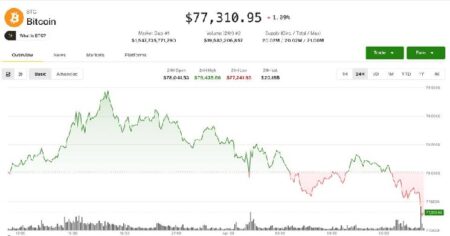
Furthermore, the timing of these changes is significant. The crypto market has been experiencing considerable volatility, with Bitcoin and other cryptocurrencies seeing substantial price swings in relatively short periods. During such times, the risk of margin calls increases dramatically, and borrowers need more flexibility to navigate through the storm. Strike’s willingness to implement these changes “in the thick of the storm,” as CEO Jack Mallers put it, shows a commitment to supporting customers during the times when they need it most, rather than waiting for calmer conditions.
Leadership Perspective: Building for Bitcoiners, by Bitcoiners
Jack Mallers, Strike’s Chief Executive Officer, has been particularly vocal about the philosophy driving these policy changes. His statements reflect a deep commitment not just to Bitcoin as a technology and asset, but to the community of people who believe in and use Bitcoin. When he says the platform is “built by bitcoiners, for bitcoiners,” he’s signaling that Strike sees itself as part of the Bitcoin ecosystem rather than merely a company extracting value from it.
Mallers’ emphasis on showing up, listening, working relentlessly, and caring deeply about both Bitcoin and its users represents a customer-centric approach that stands in contrast to some of the more predatory practices that have occasionally plagued the cryptocurrency lending space. His pride in the team’s responsiveness—implementing these changes quickly during a period of market stress rather than conducting lengthy deliberations—demonstrates an organizational culture that prioritizes user needs over bureaucratic processes.
This leadership perspective is particularly important in the cryptocurrency space, where trust has been repeatedly broken by platforms that prioritized their own interests over those of their customers. High-profile collapses and controversies in the crypto lending sector have made users understandably wary. By taking proactive steps to protect borrowers and being transparent about the reasoning behind policy changes, Strike is working to build the kind of trust that’s essential for long-term success in this industry. Mallers’ clear communication about the difference between margin calls and liquidation, and his invitation for customers to reach out for support, further reinforces this trust-building approach.
Community Reception and Industry Implications
The response from the Bitcoin community to Strike’s policy updates has been overwhelmingly positive, with users expressing appreciation for both the substance of the changes and the speed with which they were implemented. Many community members have cited these updates as evidence of increased transparency and responsiveness from the platform, qualities that are highly valued in an industry where opacity and unresponsiveness have sometimes led to disaster.
This positive reception reflects a broader desire within the cryptocurrency community for platforms that treat users as partners rather than simply as sources of revenue. The fact that Strike listened to specific feedback about multi-signature wallets and acted on it shows a level of engagement with user needs that goes beyond superficial customer service. Users have noted that these changes make Strike’s lending product more practical and less stressful to use, particularly during volatile market periods when the risk of margin calls is highest.
From an industry perspective, Strike’s policy updates could signal a broader shift in how cryptocurrency lending platforms approach risk management during volatile periods. Rather than maintaining rigid policies that might trigger a cascade of liquidations during market downturns—which can actually worsen volatility by forcing the sale of collateral assets—platforms like Strike are exploring more flexible approaches that give borrowers time to navigate through difficult conditions. If other lending platforms follow Strike’s lead, it could result in a more stable and user-friendly lending ecosystem overall. As the cryptocurrency market continues to mature, the platforms that survive and thrive will likely be those that, like Strike, demonstrate genuine responsiveness to customer needs while maintaining sound risk management practices. These policy changes represent not just an update to loan terms, but a statement about what kind of company Strike aspires to be within the Bitcoin ecosystem.