


The Super Bowl Halftime Show: Why Bad Bunny Won’t Get Rich This Sunday
A Massive Stage, A Modest Paycheck
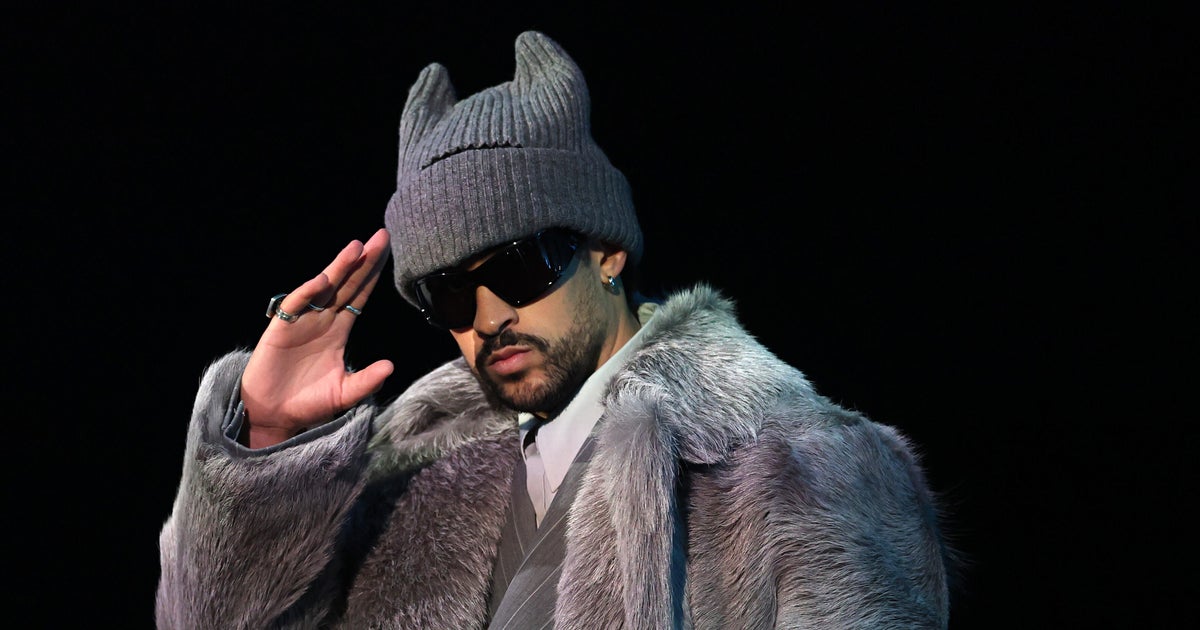
When Bad Bunny takes center stage at Super Bowl LX this Sunday during the highly anticipated showdown between the Seattle Seahawks and the New England Patriots, millions of eyes will be watching one of music’s biggest stars deliver what promises to be an unforgettable performance. However, despite the enormous prestige and global platform, the Puerto Rican superstar won’t be walking away with a hefty paycheck from the NFL. In fact, his compensation is surprisingly modest by entertainment industry standards. Like all Super Bowl halftime performers, Bad Bunny will only receive union scale payment—a minimum wage guaranteed under labor contracts with the Screen Actors Guild-American Federation of Television and Radio Artists. According to the union’s most recent agreement, that amounts to roughly $1,000 per day, a figure that seems almost comically small given the massive cultural significance and reach of the event. While the NFL does cover production expenses for the halftime show, which can easily climb into the millions of dollars for staging, choreography, special effects, and technical production, the artist themselves doesn’t receive the kind of multi-million-dollar fee you might expect for performing at one of the world’s most-watched entertainment events.
Bad Bunny’s Enthusiasm Transcends the Money
Despite the relatively tiny payment, Bad Bunny—born Benito Antonio Martínez—has expressed nothing but excitement about the opportunity. Speaking at an Apple Music press event in the lead-up to the Super Bowl, the global superstar described the halftime show as “a huge party” and shared his genuine enthusiasm for what he’s planning to bring to the stage. More importantly, he emphasized his desire to showcase “a lot of my culture” during the performance, suggesting that fans can expect a celebration of his Puerto Rican heritage and the broader Latino culture that has become central to his artistic identity. This cultural representation takes on added significance given Bad Bunny’s recent trajectory in the music industry. The timing of his Super Bowl appearance couldn’t be better, coming just days after his album “Debí Tirar Más Fotos” made history at the Grammy Awards by taking home the coveted “album of the year” prize. This marked a groundbreaking moment in music history as the first time an entirely Spanish-language album won the Grammy’s top honor, cementing Bad Bunny’s status not just as a pop star but as a cultural icon breaking down language barriers in mainstream American entertainment.
The Real Currency: Attention and Exposure
While the direct payment from the NFL might seem insignificant, the Super Bowl halftime show offers something that money often can’t buy: unprecedented exposure to a massive, engaged audience. Industry experts predict that as many as 100 million viewers will tune in to watch this year’s championship game, and a substantial portion of that audience will be specifically interested in the halftime entertainment. This kind of concentrated attention represents an invaluable marketing opportunity that can translate into significant financial gains through other channels. For artists, the Super Bowl halftime performance has historically served as a launching pad or revitalization tool that dramatically boosts streaming numbers, album sales, concert ticket purchases, and overall brand value. Even viewers who have little to no interest in football make a point of tuning in to the Super Bowl, drawn by the halftime performance and the creative spectacle of the year’s most expensive and talked-about commercials. The advertising slots have become so valuable that companies are now paying as much as $10 million for just 30 seconds of airtime, according to Bloomberg News, underscoring just how captive and valuable this audience truly is.
The Ripple Effect of a Halftime Performance
The benefits of a Super Bowl halftime show extend far beyond the 12-15 minutes an artist spends on stage. In the days and weeks following the performance, successful halftime shows generate massive spikes in streaming numbers across platforms like Spotify, Apple Music, and YouTube. Artists typically see their catalog experience renewed interest, with both new and longtime fans revisiting their music. Concert tours see increased ticket sales, merchandise flies off the shelves, and social media followings grow exponentially. The performance becomes a cultural moment that’s discussed, dissected, and shared across social media platforms, extending the artist’s reach even further. For Bad Bunny, who already commands a massive global following, the Super Bowl represents an opportunity to further solidify his crossover appeal in the United States market while simultaneously celebrating his roots and representing Latino culture on one of America’s biggest stages. The meticulously staged performance, though brief, requires months of planning, countless rehearsals, and coordination with hundreds of production professionals to create a seamless spectacle that will be remembered and discussed for years to come.
A Competing Vision of Entertainment
Not everyone is celebrating Bad Bunny’s halftime appearance, however. Turning Point USA, the conservative activist organization originally founded by Charlie Kirk and now led by his widow Erika Kirk, has announced plans to host a competing event that will stream simultaneously on YouTube and other platforms during Bad Bunny’s performance. Their alternative show, dubbed “The All-American Halftime Show,” will feature performers including Kid Rock and is being positioned as a counter-programming option for viewers seeking different values in their entertainment. According to Andrew Kolvet, a spokesperson for Turning Point USA, the event represents “an opportunity for all Americans to enjoy a halftime show with no agenda other than to celebrate faith, family and freedom.” This competing event highlights the ongoing cultural divisions in America and the way entertainment has become increasingly politicized, with even something as traditionally unifying as the Super Bowl halftime show becoming a flashpoint for ideological differences. The decision to create an alternative show suggests that some segments of the audience view Bad Bunny’s performance and cultural representation as somehow incompatible with their values, turning what is ostensibly a celebration of music and entertainment into another front in the broader culture wars.
The Bigger Picture: Cultural Moments and Financial Realities
The Super Bowl halftime show has evolved far beyond its origins as simple mid-game entertainment. It has become a cultural institution unto itself, a moment when music, sports, commerce, and American culture collide in spectacular fashion before a global audience. For the NFL, the halftime show represents a crucial component of the Super Bowl’s appeal beyond hardcore football fans, helping to make the championship game a true cultural event that transcends sports. The league clearly sees value in securing top-tier talent, even if they’re not paying these artists commensurate with their star power, because the entertainment value keeps casual viewers engaged and helps justify the astronomical advertising rates. For performers like Bad Bunny, the calculation is entirely different—the $1,000 union scale payment is essentially symbolic, a technicality in what is fundamentally a massive marketing opportunity and a chance to reach an audience that few other platforms can provide. The real compensation comes in the form of career momentum, cultural impact, and the long-tail financial benefits that flow from increased visibility. As Bad Bunny prepares to take the stage this Sunday, he joins a lineage of performers who have used this platform to create iconic moments, from Prince’s legendary performance in the rain to Beyoncé’s powerhouse showcase to Shakira and Jennifer Lopez’s celebration of Latino culture. Whether his performance becomes another watershed moment or simply a well-executed spectacle, one thing is certain: the financial equation of the Super Bowl halftime show has always been about much more than the day-of paycheck.