

The Rising Cost of Our Digital Lives: How Subscription Services Are Draining American Wallets
The Hidden Inflation in Your Monthly Bills
While most Americans have become acutely aware of rising costs at the grocery store and pharmacy, there’s another type of inflation quietly eating away at household budgets: the escalating price of digital subscriptions. According to recent research from DepositAccounts, a LendingTree-owned platform that helps consumers compare banking options, Americans are now shelling out nearly 20% more for their digital entertainment and productivity services than they were just five years ago. This analysis examined 15 popular subscription services, from entertainment platforms like Hulu and Spotify to professional tools like Zoom Pro, tracking how their prices have evolved since 2020. What emerges is a concerning picture of incremental price hikes that, when combined across multiple services, represent a significant financial burden for many households. Matt Schulz, chief consumer finance analyst at LendingTree, explains the creeping nature of this problem: “We’ve kind of gotten used to seeing notes from these subscription services saying we’re raising our costs by $1, $2, $3, which doesn’t seem like very much. But when you factor in that some people subscribe to 10 or 15 different things, a couple of dollars a month extra on all of those adds up to real money over the course of the year.”
The Subscription Economy: A Thousand Cuts to Your Budget
The modern digital lifestyle comes with a hefty price tag that many consumers don’t fully appreciate until they sit down and calculate their total monthly outlay. According to DepositAccounts’ research, the average American subscriber maintains about 4.5 different services, which translates to approximately $84 per month or just over $1,000 annually. To put this in perspective, that’s more than many families spend on utilities or car insurance. The subscription model, while convenient and seemingly affordable on a per-service basis, has created a new category of household expense that didn’t exist a decade ago. These recurring charges have become so normalized in our daily lives that we often forget we’re paying for them, with money automatically debiting from our accounts month after month. The streaming platforms, cloud storage services, music apps, and productivity tools we’ve woven into our daily routines represent a fundamental shift in how we consume media and services—and companies have figured out that steady, incremental price increases often go unnoticed or unchallenged by busy subscribers.
Consumers Fight Back: Cancellation as the New Cost-Cutting Strategy
Not everyone is accepting these price hikes lying down. A January 2025 survey of 2,000 consumers conducted by DepositAccounts revealed that approximately one-third of respondents had cancelled at least one paid digital subscription in the previous six months specifically because of cost concerns. This represents a significant pushback against the ever-expanding subscription economy and suggests that companies may finally be testing the limits of what consumers are willing to pay. The decision to cancel subscriptions often comes after what behavioral economists call “subscription fatigue”—the moment when consumers realize they’re paying for more services than they actually use or can justify financially. For many families grappling with higher costs for essentials like groceries, housing, and healthcare, cutting entertainment and productivity subscriptions has become one of the few areas where they can exercise some control over their budgets. This trend toward cancellation suggests that while digital services have become integral to modern life, they haven’t yet achieved the “must-have” status that would make them immune to budget cuts when household finances get tight.
The Biggest Offenders: Disney+ and Apple TV Lead the Price Surge
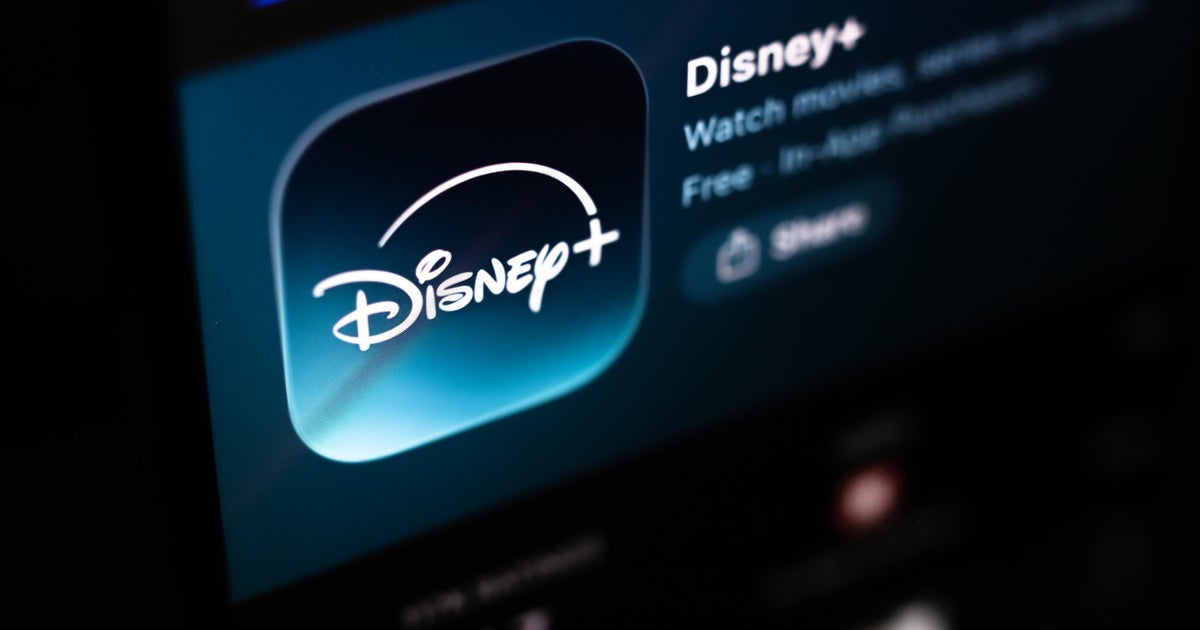
Some streaming services have been particularly aggressive with their price increases, with Disney+ topping the charts for percentage increases. Subscribers to Disney+’s ad-free plan now pay $18.99 per month—more than double what they were charged just six years ago. This dramatic increase came as Disney restructured its pricing strategy in September 2025, raising prices for the ad-free tier while simultaneously creating bundled packages with Hulu and ESPN. The strategy reflects a broader industry trend: pushing consumers toward either accepting advertisements or paying premium prices for an ad-free experience, while making bundled packages appear more economical by comparison. Apple TV has followed a similar trajectory, with subscription costs for its standard plan jumping 108% since 2020 when adjusted for inflation. These price increases have occurred during a period when streaming services have fundamentally changed how Americans consume television content. According to Nielsen data, streaming now commands the largest share of TV viewership at approximately 48%, surpassing both traditional broadcast and cable television. This dominance has given streaming platforms significant pricing power, as they’ve effectively become the primary way many households access entertainment content.
Not All Digital Services Are Getting More Expensive
Interestingly, the picture isn’t uniformly bleak across all digital services. The DepositAccounts analysis found that some Apple services have actually become more affordable over the same period. Apple’s iCloud storage platform has seen subscription costs drop nearly 20% since 2020, while Apple Music prices have decreased by more than 12%. These reductions stand in stark contrast to the video streaming sector and suggest that different competitive dynamics are at play in various digital service categories. The cloud storage market, for instance, faces intense competition from providers like Google Drive, Microsoft OneDrive, and Dropbox, which may be keeping prices in check. Similarly, music streaming services compete in a crowded marketplace where Spotify, Amazon Music, YouTube Music, and others vie for subscribers, potentially limiting Apple’s ability to raise prices. These price decreases, while welcome, don’t offset the larger trend of increasing costs across the digital subscription landscape. However, they do demonstrate that competition can still work in consumers’ favor in certain sectors and that not all digital services are following the same pricing trajectory.
Navigating the New Economics of Digital Life
The nearly 20% increase in digital subscription costs since 2020 represents more than just a financial challenge—it reflects a fundamental transformation in how we pay for entertainment, productivity tools, and information. The subscription model has moved from a novel convenience to a potentially burdensome ongoing expense that requires careful management. For consumers, the solution isn’t necessarily to abandon all digital subscriptions, but rather to approach them with the same scrutiny they would any other significant household expense. This means regularly auditing which services you actually use, taking advantage of free trials before committing to paid plans, rotating subscriptions rather than maintaining them year-round, and being willing to cancel services that no longer provide sufficient value for their cost. It also means recognizing that companies are betting on subscriber inertia—the tendency of people to keep paying for services out of habit rather than conscious choice. By actively managing subscriptions, setting calendar reminders to review them quarterly, and being willing to negotiate or walk away, consumers can regain some control over this expanding budget category. The era of inexpensive, unlimited digital content may be coming to an end, but informed consumers can still make choices that balance their entertainment and productivity needs with their financial realities. As the subscription economy continues to evolve, those who treat these services as discretionary expenses rather than fixed necessities will be best positioned to weather future price increases.