

Kilauea Volcano Erupts Again: Hawaii’s Fiery Giant Continues Its Spectacular Display
Another Episode in an Ongoing Natural Phenomenon
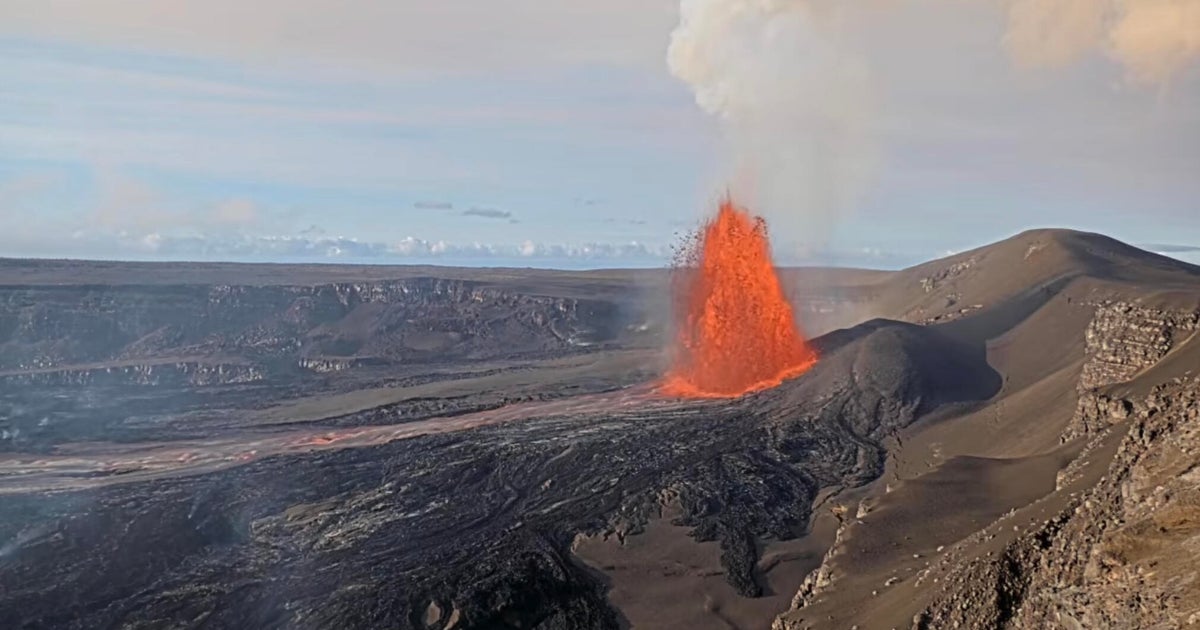
Hawaii’s Kilauea volcano has once again reminded the world of nature’s raw power, erupting early Thursday morning in what scientists are calling the 45th episode of volcanic activity in just a year and a half. This latest eruption began around 1:30 in the morning local time, catching the attention of volcano watchers and scientists monitoring this incredibly active geological feature. The United States Geological Survey, which keeps a constant eye on Kilauea through various monitoring systems including livestreams, captured dramatic footage of brilliant orange streams of molten lava shooting dramatically into the night sky. More than 18 hours after the initial eruption, these spectacular fountains of lava continued to pulse from the earth, creating a mesmerizing display of one of nature’s most powerful forces. The Hawaiian Volcano Observatory has been working around the clock, issuing multiple updates to keep both residents and the scientific community informed about this ongoing volcanic event.
The Spectacular Scale of the Eruption
The sheer scale of this latest eruption is truly breathtaking and showcases just how powerful Kilauea can be when it awakens. According to the Hawaiian Volcano Observatory, the lava fountains erupting from Kilauea’s northern vents reached an impressive peak height of 1,000 feet – that’s taller than a 100-story building shooting into the Hawaiian sky. These towering columns of molten rock maintained heights of around 500 feet for several hours immediately following the start of the eruption, before later climbing again to approximately 700 feet. But the lava fountains themselves were only part of the story. The overall volcanic plume – a mixture of lava, superheated gas, billowing steam, and volcanic ash – climbed even higher into the atmosphere, reaching at least 16,500 feet above ground level just about an hour after the eruption began. This represented the highest point the plume reached during this particular episode, creating a towering column visible for miles around and serving as a stark reminder of the immense forces at work beneath the Earth’s surface.
Kilauea: One of Earth’s Most Active Volcanoes
Kilauea holds a special place among the world’s volcanoes as one of the most active volcanic systems on our planet. Nestled within the Big Island of Hawaii’s expansive Volcanoes National Park, this geological wonder has been putting on regular shows since December 2024, when its current period of periodic eruptions began. The volcano has become something of a tourist attraction in its own right, drawing visitors from around the world to the massive protected area where they can safely witness the incredible sight of lava flows soaring overhead in real life – a bucket-list experience that few other places on Earth can offer. This latest eruption, like most of its predecessors over the past year and a half, has remained confined to the Halemaʻumaʻu crater within Kilauea itself. This geographical containment is crucial because it means the eruptions haven’t threatened homes, buildings, or people living elsewhere on the Big Island. Local officials have consistently reassured residents that these eruptions, while dramatic and powerful, remain safely contained within the crater. According to the USGS, most eruption episodes since December 2024 have lasted no longer than a single day, following a pattern of relatively brief but intense periods of volcanic activity.
Safety Measures and Aviation Concerns
While the eruptions have been contained and haven’t directly threatened populated areas, authorities aren’t taking any chances when it comes to public safety. The USGS has issued a volcano watch along with an “orange” aviation alert for this latest episode. In volcanic monitoring terms, this orange alert level means the eruption “poses limited hazards” and is characterized by either no ash emissions at all or only minor amounts of ash being expelled into the atmosphere. This is particularly important for air traffic, as volcanic ash can pose serious risks to aircraft engines and flight safety. The aviation industry takes these warnings seriously, as even seemingly small amounts of volcanic ash can cause significant problems for planes flying through affected airspace. Additionally, the National Weather Service stepped in to issue an ashfall advisory overnight, specifically targeting communities located downwind of the volcano. These communities need to be prepared for the possibility of volcanic ash drifting their way, carried by prevailing winds across the Hawaiian landscape.
Health Risks and “Vog” Concerns
Beyond the immediate spectacle of the eruption, there are important health considerations that residents and visitors need to understand. Officials have highlighted that the volcanic gas produced during each eruption can create respiratory problems once it mixes with the atmosphere. This process, known locally as “vog” – a combination of “volcanic” and “fog” – creates a form of air pollution that affects areas downwind from the volcano. Vog can irritate the lungs, trigger asthma attacks, and cause other breathing difficulties, particularly for people with pre-existing respiratory conditions, children, and the elderly. But the health concerns don’t stop with the gas. The USGS has also warned about fragments of volcanic material created by Kilauea’s dramatic lava fountains. These fragments – including volcanic ash, pumice, and other glassy materials scientifically known as “tephra” – can travel surprisingly far from the volcano depending on their size and weight, as well as wind conditions. The agency specifically cautioned that “residents and visitors should minimize exposure to these fragments, which can cause skin, eye, and respiratory irritation.” These tiny pieces of volcanic glass can scratch the eyes, irritate sensitive skin, and cause breathing problems if inhaled, making it important for people in affected areas to stay indoors when tephra is falling and to avoid unnecessary outdoor activities.
Impact on Daily Life and Tourism
The volcanic activity has occasionally disrupted normal operations in the area, though these disruptions have generally been brief and manageable. A previous eruption in March at Kilauea prompted temporary closures at the beloved national park and along a nearby highway as a precautionary measure. Hawaii officials responded by opening an emergency shelter for both residents and tourists who might have been affected by the closures or by tephra falling from the sky. Fortunately, officials said this shelter was only necessary for a short period of time, demonstrating the generally brief nature of these eruption episodes. However, it’s worth noting that some previous fountaining episodes did produce significant ashfall, requiring more extensive response measures. The balance between maintaining public safety and allowing people to experience this incredible natural phenomenon is a delicate one that Hawaiian authorities have become quite skilled at managing. For the tourism industry, these eruptions present both challenges and opportunities – while they may cause temporary disruptions, they also draw visitors eager to witness one of nature’s most impressive displays. The ongoing volcanic activity at Kilauea serves as a powerful reminder that we live on a dynamic, constantly changing planet, and that Hawaii’s islands themselves were born from similar volcanic eruptions over millions of years. As monitoring continues and scientists track every rumble and burst of lava, both residents and visitors remain captivated by Kilauea’s ongoing performance.