


How Middle East Tensions Are Reshaping the Cryptocurrency Investment Landscape
The New Reality: When Geopolitics Meets Digital Assets
The cryptocurrency world, once thought to exist in a realm largely separate from traditional geopolitical concerns, is proving to be far more intertwined with global events than many investors initially believed. A comprehensive analysis from Grayscale Investments, one of the leading voices in crypto asset management, has shed light on how escalating tensions in the Middle East and the resulting spike in oil prices are fundamentally reshaping how investors approach digital currencies. This isn’t just another market fluctuation story—it’s a wake-up call that cryptocurrencies, despite their decentralized nature, cannot escape the gravitational pull of real-world conflicts and their economic ripple effects. The report paints a picture of a market caught between its innovative promise and the age-old forces of geopolitical uncertainty, where traditional risk factors are bleeding into what was supposed to be an alternative financial system.
The Wait-and-See Approach: Markets Frozen by Uncertainty
What’s particularly striking about the current situation is the psychological shift among cryptocurrency investors. According to Grayscale’s findings, the specter of potential conflict with Iran has essentially put the brakes on the bullish momentum that many had anticipated for 2024. Investors have adopted what analysts call a “wait and see” posture—essentially sitting on their hands until the fog of geopolitical uncertainty clears. This cautious stance represents a marked departure from the crypto-enthusiasm that typically drives market action. Just when macroeconomic indicators were beginning to look promising, with global growth showing green shoots of recovery and central banks signaling potential interest rate cuts, the Middle East situation threw cold water on these optimistic projections. The report emphasizes that throughout March, the Iranian conflict situation became such a dominant narrative that it “almost overshadowed all other market dynamics.” This is significant because it shows how even in the age of digital assets and decentralized finance, old-fashioned geopolitical risk still commands the spotlight and dictates investor sentiment more powerfully than technological innovation or market fundamentals.
The Oil Price Connection: Inflation Fears Return to Haunt Markets
One of the most important observations from the Grayscale report centers on the relationship between oil prices and cryptocurrency valuations—a connection that might seem counterintuitive at first glance. When tensions escalated in the Middle East, oil prices responded predictably by surging upward, as markets worried about supply disruptions from one of the world’s most critical energy-producing regions. However, the knock-on effects of this oil price spike extended far beyond the gas pump. Higher energy costs rekindled fears about inflation just as those concerns were beginning to fade from the collective consciousness of investors and policymakers. This resurgence of inflation anxiety has had profound implications for the entire risk asset landscape, including cryptocurrencies. When inflation expectations rise, central banks are less likely to cut interest rates—in fact, they might even consider keeping rates higher for longer to combat price pressures. Higher interest rates make borrowing more expensive, reduce liquidity in financial systems, and generally create an environment where investors become more risk-averse. In such conditions, speculative assets like cryptocurrencies typically suffer as investors retreat to safer havens. The Grayscale analysis makes it clear that this dynamic has pushed interest rate expectations higher, creating headwinds for Bitcoin and other digital assets that had been counting on a more accommodative monetary environment to fuel their next rally.
Bitcoin’s Roller Coaster: Following Oil and Risk Appetite
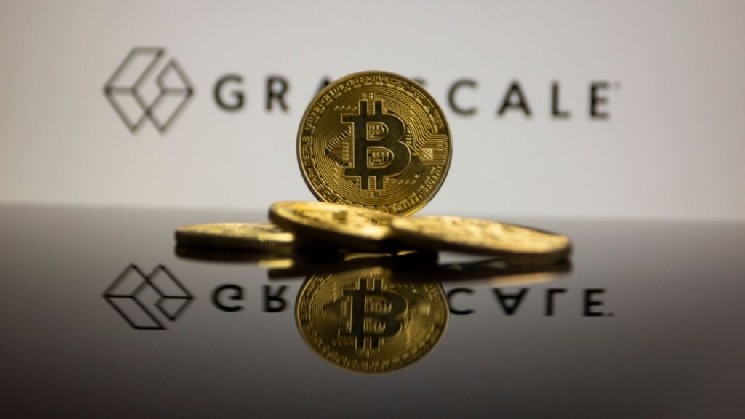
The price action of Bitcoin throughout this period tells a story of resilience mixed with vulnerability. Grayscale’s report documents how Bitcoin’s value has moved in close correlation with both oil price fluctuations and broader risk appetite in financial markets—a relationship that underscores how interconnected crypto has become with traditional financial dynamics. When the initial wave of Middle East tensions hit, Bitcoin took a significant hit, dropping to approximately $60,000 as investors rushed to reduce their exposure to risky assets. This represented a substantial decline from the optimistic price levels seen earlier in the year. However, demonstrating the volatility that has become synonymous with cryptocurrency markets, Bitcoin managed to stage a recovery, climbing back to levels approaching $70,000 as some calm returned and investors tentatively re-entered the market. But this recovery proved short-lived—as conflicts persisted and macroeconomic conditions tightened with those elevated oil prices keeping inflation concerns alive, Bitcoin retreated once again. The latest data shows Bitcoin has surrendered approximately 10% of its value when compared to the peak it reached in March. Despite these stomach-churning swings, the report offers a somewhat optimistic perspective: Bitcoin has generally managed to trade sideways rather than entering a sustained downtrend, and at certain points has actually outperformed traditional U.S. stock markets. This relative outperformance, even in challenging conditions, suggests that Bitcoin may be maturing as an asset class with its own distinct characteristics rather than simply moving in lockstep with equities.
Resilience Amid Chaos: The Surprising Strength of Crypto Assets
Perhaps the most encouraging takeaway from Grayscale’s analysis is the observation that despite all the volatility and geopolitical headwinds, cryptocurrency assets have demonstrated remarkable resilience. The fact that prices have stabilized relatively well amid the turbulence has raised the intriguing possibility that we might be witnessing a more sustained bottom formation—a technical term that suggests prices may have found a floor from which they can build upward momentum when conditions improve. What makes this resilience even more interesting is what’s happening beneath the surface of price action. The report notes that money continues to flow into spot crypto investment products, meaning that despite the uncertainty, real capital is still being allocated to digital assets by investors who are taking a longer-term view. Additionally, positions in cryptocurrency futures contracts are increasing again, indicating that sophisticated traders are positioning themselves for future price movements rather than fleeing the market entirely. This creates an interesting paradox: while the surface-level sentiment appears cautious and investors are publicly expressing wait-and-see attitudes, actual investment behavior tells a different story. Risk appetite hasn’t completely evaporated—it’s simply become more selective and strategic. This suggests that the investor base for cryptocurrencies has matured, with market participants capable of maintaining positions through difficult periods rather than panic-selling at the first sign of trouble.
The Path Forward: Uncertainty as the Key Variable
Looking ahead, Grayscale’s analysis identifies the most critical factor that will determine whether cryptocurrencies can break out of their current holding pattern and resume an upward trajectory: the resolution of uncertainty. This might sound obvious, but it’s worth unpacking what it really means. The report suggests that if tensions in the Middle East begin to de-escalate and energy prices moderate as a result, the cryptocurrency market could rapidly reprice to reflect more favorable macroeconomic conditions. In other words, there’s potential energy stored in the market right now—capital waiting on the sidelines, investors prepared to re-engage, and infrastructure continuing to develop—that could be released quite quickly once the geopolitical clouds begin to clear. The prediction is that we could see a strong recovery phase begin almost immediately once these conditions are met. This forward-looking perspective offers hope to cryptocurrency believers who have weathered the recent volatility, but it also serves as a reminder of how dependent even supposedly independent digital assets have become on traditional geopolitical and macroeconomic factors. The cryptocurrency market’s fate, at least in the near term, appears to be tied to events in the Middle East, decisions made in central bank boardrooms about interest rates, and the trajectory of global oil prices—factors that have nothing to do with blockchain technology, decentralization, or the innovative features that originally attracted people to crypto. This reality check doesn’t diminish the long-term potential of digital assets, but it does provide a more nuanced understanding of how they function within the broader global financial ecosystem. For now, patience appears to be the watchword, as the market waits for the geopolitical situation to clarify and for that crucial reduction in uncertainty that could unlock the next phase of growth.