


How the Iran Conflict Is Reshaping Global Energy Markets for Years to Come
A Crisis That Will Echo Through the Decade
The world is facing what energy experts are calling an unprecedented disruption to global fuel supplies, and the effects will be felt far longer than many initially anticipated. The International Energy Agency released a sobering assessment this Friday that paints a concerning picture: the ongoing conflict involving Iran, now stretching into its second month, will significantly impact how the world gets its energy for at least the next two years, with ripple effects potentially lasting much longer. This isn’t just about higher prices at the pump or increased heating bills next winter—we’re looking at a fundamental reshaping of global energy flows that could take the better part of a decade to fully resolve. The conflict has effectively choked off a critical artery of global energy supply, the Strait of Hormuz, which normally carries about one-fifth of all the world’s oil and liquefied natural gas. IEA’s executive director, Fatih Birol, didn’t mince words when he described the situation to French radio listeners earlier this week, calling it simply “the biggest crisis in history” for global energy markets.
The Qatar Damage: A Bottleneck That Changes Everything
The most significant physical damage from the conflict came last month when Iranian strikes hit the Ras Laffan Industrial City in Qatar, one of the world’s most important liquefied natural gas export terminals. The attack reduced Qatar’s LNG production capacity by 17%—a staggering blow to global supplies considering Qatar is one of the world’s largest LNG exporters. What makes this particularly alarming is the timeline for recovery. According to Qatar’s energy minister, repairing the damage to these sophisticated facilities could take up to five years. These aren’t simple fixes—LNG facilities are among the most complex industrial installations in the world, requiring specialized equipment, expertise, and components that can’t simply be ordered off the shelf. The implications go well beyond Qatar’s borders. The IEA’s quarterly report released Friday makes clear that this damage will fundamentally alter the trajectory of global LNG markets. The world was expecting a wave of new LNG capacity to come online over the next few years, which would have eased tight markets and potentially lowered prices. Now, that expansion wave has been pushed back by at least two years, meaning the supply constraints we’re experiencing today will persist much longer than anyone hoped.
The Math of Shortage: 120 Billion Cubic Meters
To understand the scale of what we’re facing, the IEA has crunched the numbers, and they’re significant. Between the immediate supply losses from the conflict and the slower growth in new capacity due to the Qatar damage, the world could be short approximately 120 billion cubic meters of LNG supply through 2030. To put that in perspective, that’s roughly equivalent to the entire annual natural gas consumption of a major economy. While the IEA notes that new liquefaction projects in other regions—likely in the United States, Australia, and Africa—are expected to eventually fill this gap, the key word here is “eventually.” Building new LNG facilities takes years, from initial approval through construction to actually producing gas. This means that even with aggressive development of alternative supplies, global markets are likely to remain uncomfortably tight through at least 2026 and 2027. For ordinary people, this translates to sustained higher energy prices, potential supply concerns during peak demand periods like harsh winters, and continued volatility in energy markets that affects everything from electricity bills to the cost of manufactured goods.
How the World Is Responding: Conservation and Switching
The immediate response to this crisis has been a noticeable drop in natural gas demand, particularly in March, as both market forces and government policies push consumers and industries to use less. Higher commodity prices naturally discourage consumption—when something costs more, people and businesses find ways to use less of it or find alternatives. But there’s also been a coordinated policy response, particularly across Asia, where many countries are implementing demand-side management measures and encouraging fuel switching. Asian nations, which have become major importers of LNG over the past decade, are now actively working to reduce their dependence on natural gas. This might mean switching power plants to run on coal (despite climate concerns), accelerating renewable energy deployment, reviving nuclear plants that were scheduled for closure, or implementing conservation measures that ask industries and households to reduce consumption during peak times. Japan, South Korea, China, and other Asian economies have become particularly aggressive in their response, recognizing that their heavy dependence on imported LNG makes them vulnerable to exactly the kind of supply disruption we’re now witnessing. These measures are helping to balance markets in the short term, but they also represent a potential long-term shift in energy consumption patterns that could reshape global gas markets even after supply issues are resolved.
The Strait of Hormuz: The Uncertainty That Keeps Everyone Awake
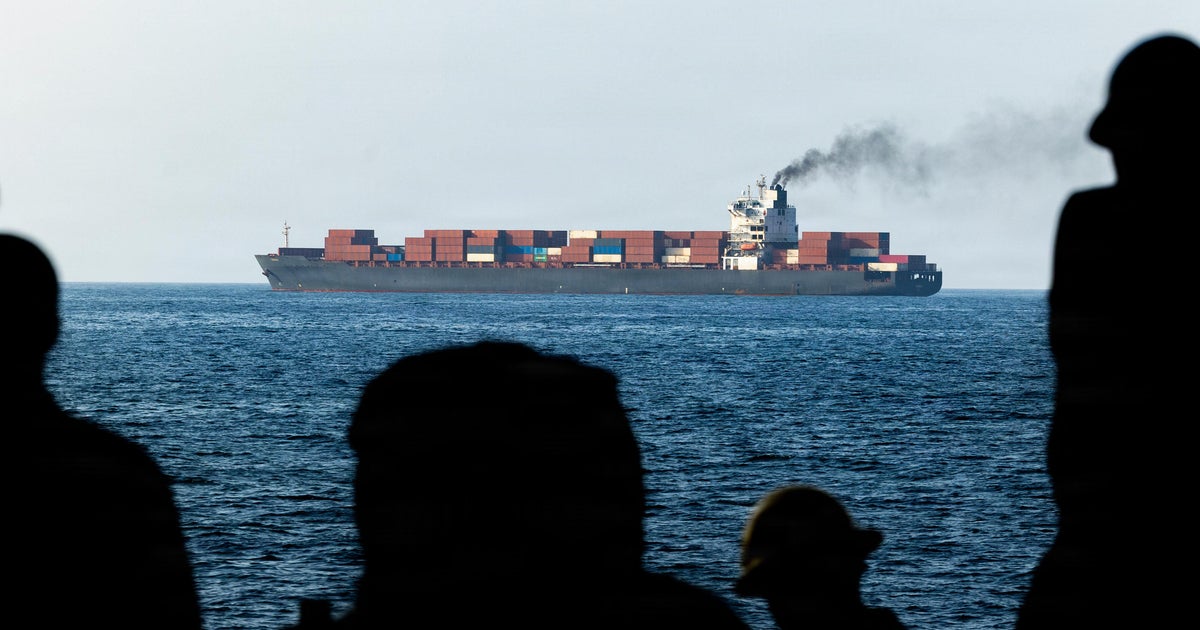
Perhaps the biggest wild card in all of this is the Strait of Hormuz itself. This narrow waterway between Iran and the Arabian Peninsula is one of the world’s most critical energy chokepoints, and right now, it’s effectively closed to commercial traffic. About 20% of the world’s oil and a similar proportion of LNG normally pass through these waters, making it absolutely vital to global energy security. The IEA specifically identified the duration of the Strait’s closure as “a key uncertainty” that will significantly affect global gas demand in 2026 and beyond. Every week that the Strait remains closed compounds the problem. Alternative routes exist—pipelines can carry some oil and gas, and ships can take longer routes around the Arabian Peninsula—but these alternatives can’t fully replace the capacity that normally flows through Hormuz. The longer the closure persists, the more countries will be forced to make permanent adjustments to their energy mix, locking in changes that might persist even after the waterway reopens. Industries are already making contingency plans based on the assumption that Middle Eastern energy supplies might remain disrupted or unreliable for an extended period, leading to investment decisions and infrastructure changes that will shape energy markets for decades.
Living in a New Energy Reality: What It Means for All of Us
What we’re witnessing is more than just another energy crisis—it’s a fundamental restructuring of how energy flows around the world. For consumers, the immediate impact is already being felt in higher energy bills, but the longer-term effects could be even more profound. Industries that depend on reliable, affordable natural gas as a feedstock—like fertilizer manufacturers, chemical plants, and certain manufacturing sectors—may need to relocate or fundamentally change their operations. Countries are being forced to reconsider their energy security strategies, potentially accelerating transitions to renewable energy while also, paradoxically, extending the life of coal plants and other fossil fuel infrastructure that was scheduled for retirement. The geopolitical implications are equally significant, as countries that can provide alternative energy supplies—whether that’s LNG from the United States and Australia, pipeline gas from Russia and Central Asia, or renewable energy technology—gain increased leverage. The conflict has also highlighted the fragility of a globalized energy system that depends on a few critical chokepoints and facilities. This may lead to a more regionalized approach to energy security, with countries and regions working to develop more localized supply chains and reduce dependence on imports that must transit through potential conflict zones. For the average person trying to plan their household budget, heat their home, or run a business, the message is clear: energy prices are likely to remain elevated and volatile for several years to come, making energy efficiency investments and alternative energy sources more attractive than ever. This crisis, born from conflict in a region that has long been the world’s energy heartland, is forcing us all to adapt to a new energy reality that will define much of the remainder of this decade.