


Summer Travel Alert: Why Airfares Are Soaring and What You Can Do About It
The Steep Climb in Ticket Prices
If you’ve been casually browsing flight prices for your summer getaway, you might have experienced some serious sticker shock lately. American travelers are facing a harsh reality this vacation season: airfare costs are climbing at an alarming rate, and unfortunately, they’re not expected to come back down anytime soon. The culprit behind these sky-high prices isn’t complicated – it’s a direct result of the escalating conflict involving Iran, which has sent oil and jet fuel costs soaring to levels that airlines simply can’t absorb on their own. Industry insiders are now sounding the alarm, urging would-be vacationers to stop waiting for better deals and book their trips immediately if they want any chance of securing reasonable rates. The message is clear and somewhat urgent: if you’ve been putting off those summer travel plans hoping prices might drop, it’s time to abandon that strategy and act now before costs climb even higher.
Understanding the Numbers Behind Your Expensive Flight
Let’s break down exactly how much more you’ll be paying for the privilege of flying this summer. According to data from the popular travel booking platform Kayak, the average cost of a domestic round-trip flight has reached $358 as of mid-April – that’s an 18% increase, or roughly $55 more than what travelers were paying during the same period last year. But if you’re planning an international adventure, the price hike is even more substantial. The cost of flying from the United States to destinations abroad has jumped by an average of $115 over the past year, bringing the typical round-trip economy ticket to $1,064. Government statistics paint a similarly concerning picture, showing that overall airfares were up nearly 15% in March compared to the previous year. To put this in perspective, United Airlines CEO Scott Kirby revealed in a recent interview with CBS News that his carrier alone has raised fares by 15% to 20%. These aren’t minor adjustments – they represent significant increases that will meaningfully impact family vacation budgets and business travel expenses alike.
The Fuel Crisis Driving Higher Costs
At the heart of this pricing crisis is jet fuel, which has become dramatically more expensive following military actions involving the United States, Israel, and Iran on February 28th. For those unfamiliar with airline economics, jet fuel typically accounts for roughly 25% to 30% of an airline’s total operational costs – it’s one of their biggest expenses. Recent reports indicate that jet fuel prices have surged by more than $2 per gallon compared to earlier benchmarks, and these elevated prices have shown no signs of retreating. When your second or third-largest business expense suddenly spikes by such a significant margin, you’re left with limited options: either absorb the cost and watch your profit margins evaporate, or pass those expenses along to customers. Airlines have chosen the latter approach, which means passengers are now shouldering at least a portion of these increased fuel costs every time they purchase a ticket. The uncertainty surrounding the Iran conflict means that fuel prices will likely remain volatile and elevated for the foreseeable future, giving airlines little reason to reduce fares even if they wanted to maintain competitive pricing.
Expert Advice: Book Now or Pay More Later
Henry Harteveldt, an airline industry analyst with Atmosphere Research Group, has been particularly vocal about the current situation, offering straightforward advice to consumers: don’t delay your booking decisions. His recommendation to CBS News was unambiguous – “If you haven’t booked for this summer, get busy. Don’t wait, hoping that the fares are going to go down. They’re not.” This isn’t the typical travel agent sales pitch designed to create artificial urgency; it’s a realistic assessment based on industry fundamentals. However, Harteveldt does offer one potential silver lining for flexible travelers willing to adjust their plans: consider pushing your vacation to later in the summer season. Late summer typically sees reduced travel demand as families prepare for the school year and summer vacation season winds down. Additionally, by late summer, jet fuel prices might have stabilized somewhat, giving airlines more predictability in their costs and potentially reducing the need for further fare increases. This strategy won’t necessarily result in bargain-basement prices, but it could help you avoid paying absolute peak rates while still salvaging your summer travel plans.
Beyond Ticket Prices: Additional Fees Are Rising Too
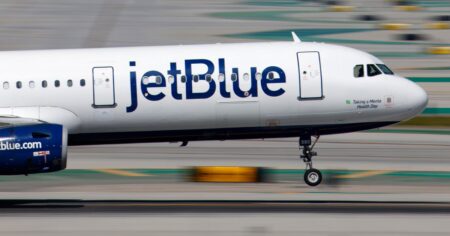
Unfortunately for budget-conscious travelers, the bad news doesn’t stop with higher ticket prices. Airlines are pulling every lever available to offset their increased operational costs, and that includes raising fees for services that used to be relatively affordable. Major carriers including Alaska Airlines, American Airlines, Delta, JetBlue, Southwest Airlines, and United have all increased their baggage fees in recent weeks and months. These fee hikes might seem small on an individual basis – perhaps just a few dollars per bag – but they add up quickly, especially for families traveling with multiple checked bags or passengers taking longer trips that require more luggage. The nickel-and-diming doesn’t end there either. Some airlines are eliminating less profitable routes entirely, reducing flight frequency on certain paths, or cutting back on services that were once standard. United Airlines, for instance, has announced plans to reduce its overall flight volume by 5% this summer specifically because of higher oil prices, according to CEO Scott Kirby. This capacity reduction means fewer available seats on the market, which basic economic principles tell us will only further drive up prices as travelers compete for limited spots on remaining flights.
What This Means for Your Travel Plans
So what should the average traveler take away from all this information? First, accept that summer 2023 (or whichever summer this applies to based on the February 28th date mentioned) will be more expensive for air travel than recent years, and adjust your budget accordingly. If you’re determined to take that beach vacation or visit family across the country, you’ll need to allocate more money for transportation than you might have originally planned. Second, flexibility has become more valuable than ever. If your schedule allows, consider alternative travel dates, particularly later in the summer season when demand traditionally decreases. Look at nearby airports that might offer better rates, or consider driving to a larger hub city if you live within reasonable distance of multiple airports. Third, be strategic about what you pack and how you pack it. With baggage fees on the rise, traveling with only carry-on luggage could save you a substantial amount, especially if you’re traveling as a couple or family. Finally, if you’re still in the planning stages, don’t delay. While it’s tempting to wait and hope for price drops or special promotions, industry experts are nearly unanimous in their assessment that prices will remain elevated or potentially increase further as summer approaches and available seats become scarce. The uncomfortable truth is that cheap flights are largely a thing of the past for this travel season, and the sooner travelers accept this new reality and adjust their plans accordingly, the better positioned they’ll be to still enjoy a summer vacation without completely breaking the bank. The skies may be less friendly to your wallet this year, but with smart planning and realistic expectations, summer travel is still possible – it just requires more strategic thinking than it did in previous years.