

Neo X Releases Version 0.5.3: A Focused Maintenance Update for Enhanced Blockchain Stability
Introduction to the Quenchation Release
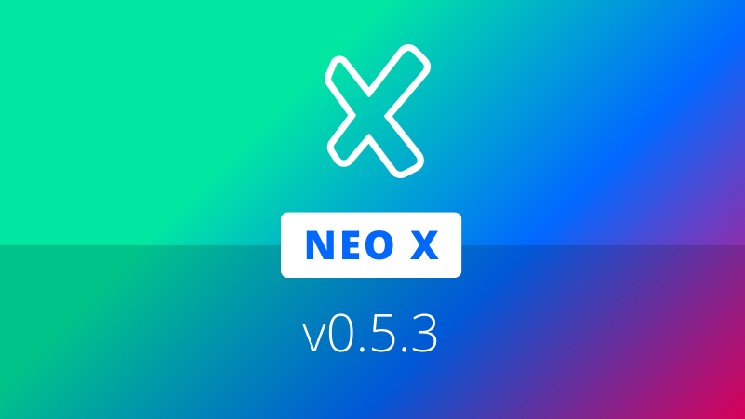
The Neo X development team has announced the availability of version 0.5.3, codenamed “Quenchation,” marking another step forward in the evolution of this EVM-compatible blockchain platform. While this might sound like just another routine software update, it represents an important milestone for the network’s stability and operational efficiency. The team has strongly encouraged all node operators currently running the previous version 0.5.2 to upgrade as soon as possible, emphasizing that this update is “highly recommended” rather than optional. This patch release continues Neo X’s interesting tradition of giving each version update a unique and memorable name, making it easier for the community to reference specific releases in discussions and documentation. Unlike some previous updates that introduced sweeping changes to the platform’s architecture, this particular release takes a more conservative approach, focusing primarily on maintenance, stability improvements, and addressing specific technical issues that emerged from earlier versions. For those managing nodes on the Neo X network, understanding what this update brings to the table is essential for maintaining optimal performance and ensuring their infrastructure remains compatible with the broader network ecosystem.
Context: Building on the Polarization Foundation
To truly appreciate what v0.5.3 accomplishes, it’s worth looking back at its predecessor, the “Polarization” release that launched on March 6. That earlier update was considerably more ambitious in scope, introducing fundamental infrastructure changes that aligned Neo X more closely with newer Ethereum client behaviors. The Polarization release wasn’t just about minor tweaks—it represented a significant architectural evolution for the platform. Among its most notable features was the addition of execution-layer blob data storage and the implementation of APIs supporting EIP-4844, an Ethereum Improvement Proposal that has become increasingly important in the broader blockchain ecosystem. Furthermore, that release fundamentally restructured how Neo X nodes communicate with each other by migrating the network’s peer-to-peer communication model to support post-merge behaviors, reflecting the changes that occurred in Ethereum’s transition from proof-of-work to proof-of-stake consensus. These were substantial changes that required careful implementation and inevitably revealed some areas where additional refinement would be necessary. The Quenchation release serves precisely that purpose—it’s the follow-up that addresses the practical realities discovered after Polarization’s deployment, fine-tuning the features introduced in that more ambitious update and ensuring they work seamlessly in real-world conditions across the diverse array of node configurations operating on the network.
What’s New: Technical Improvements in v0.5.3
The Quenchation release may be narrower in scope than its predecessor, but it delivers several meaningful improvements that node operators will appreciate. According to the official release notes, the update implements three specific enhancements that address operational scenarios encountered during real-world use. First, the system now refreshes sealing proposals whenever a ChangeView event occurs, which helps maintain consensus efficiency when network conditions require validators to adjust their perspective on the current state. Second, the update improves the user experience by updating the error message displayed when the etherbase parameter is missing, making it clearer for operators to diagnose and resolve configuration issues. Third, the release reduces the log level for missing blob transactions, which might seem like a minor detail but actually represents thoughtful attention to operational practicality—by adjusting how this particular situation is logged, the update helps prevent log files from becoming cluttered with routine occurrences that don’t actually require urgent attention. These refinements might not generate headlines, but they reflect the kind of careful, ongoing optimization that separates mature blockchain platforms from those still working through growing pains. They demonstrate that the Neo X team is paying attention to real-world operational feedback and making adjustments that improve the day-to-day experience of running network infrastructure.
Bug Fixes: Addressing Edge Cases in Blob Functionality
Beyond general improvements, v0.5.3 also includes two specific bug fixes that address edge cases in the blob-related functionality introduced with the Polarization release. The first fix excludes transaction blob sidecars in the OnTransaction callback, correcting an issue where this data was being included when it shouldn’t have been. The second fix addresses blob error handling for blocks that are committed by the dBFT (delegated Byzantine Fault Tolerance) consensus protocol that Neo X uses. Both of these issues represent the kind of technical edge cases that typically only become apparent after a feature has been deployed in production and subjected to the full diversity of real-world network conditions. Blob functionality, introduced through EIP-4844 support, represents an important capability for modern blockchains, enabling more efficient data availability solutions that can significantly reduce costs for layer-2 scaling solutions. However, implementing this functionality involves complex interactions between different components of the blockchain architecture, and it’s not uncommon for subtle issues to emerge at these interaction boundaries. By addressing these specific edge cases now, the Neo X team is ensuring that the blob functionality works reliably across all scenarios, building confidence that this capability can be depended upon by applications and services built on top of the platform.
Straightforward Upgrade Process for Node Operators
One of the most welcome aspects of the v0.5.3 release is its straightforward upgrade path, especially for operators who experienced the more complex migration required by previous versions. The Neo X team has outlined a simple four-step process for node operators moving from v0.5.2 to the new version: download the new binary, gracefully stop the currently running node, replace the old binary with the new one, and restart the node. That’s it—no complicated configuration file migrations, no database schema updates, no multi-stage rollout procedures. This simplicity is particularly significant when contrasted with the previous upgrade, which required additional configuration changes and more careful planning. For anyone who has managed blockchain infrastructure, the value of a clean, simple upgrade process cannot be overstated. Complex upgrades create opportunities for mistakes, require more extensive testing, consume more time, and can potentially lead to extended downtime if something goes wrong. By keeping the v0.5.3 upgrade process simple and straightforward, the Neo X team has made it much easier for node operators to stay current with the latest version, which in turn helps ensure the network as a whole remains healthy and consistent. This consideration for operational practicality suggests a maturing development approach that takes into account not just what features to build, but how to deliver those features in ways that minimize burden on the community responsible for running the network infrastructure.
Conclusion: Continuous Improvement in the Blockchain Ecosystem
The release of Neo X v0.5.3 “Quenchation” might not grab headlines with revolutionary new features, but it represents something equally important in the blockchain world: disciplined, continuous improvement of existing functionality. In an industry often characterized by ambitious promises and dramatic announcements, there’s considerable value in the unglamorous work of maintenance releases that fix bugs, refine implementations, and improve operational stability. These incremental improvements, accumulated over time, are what transform promising blockchain platforms into reliable infrastructure that developers and enterprises can confidently build upon. The fact that the Neo X team has clearly identified this release as highly recommended for all v0.5.2 operators signals their confidence that these refinements deliver genuine value and that network-wide adoption will benefit the ecosystem as a whole. For node operators, the decision to upgrade should be relatively straightforward given the simple migration process and the tangible benefits in stability and functionality. For the broader Neo X community, this release demonstrates ongoing active development and attention to the practical realities of running blockchain infrastructure. As Neo X continues to evolve as an EVM-compatible blockchain platform, releases like v0.5.3 serve as important reminders that sustainable success in this space comes not just from innovative features, but from the careful, continuous refinement that ensures those features work reliably in the complex, demanding environment of decentralized networks. The full release notes are available on GitHub for those who want to dive deeper into the technical details, and the Neo X community continues to grow as the platform matures and proves its capabilities through both ambitious feature releases and careful maintenance updates like Quenchation.