

Could America Produce the Next Pope? Examining the Possibilities After Pope Francis
America’s Growing Catholic Influence on the World Stage
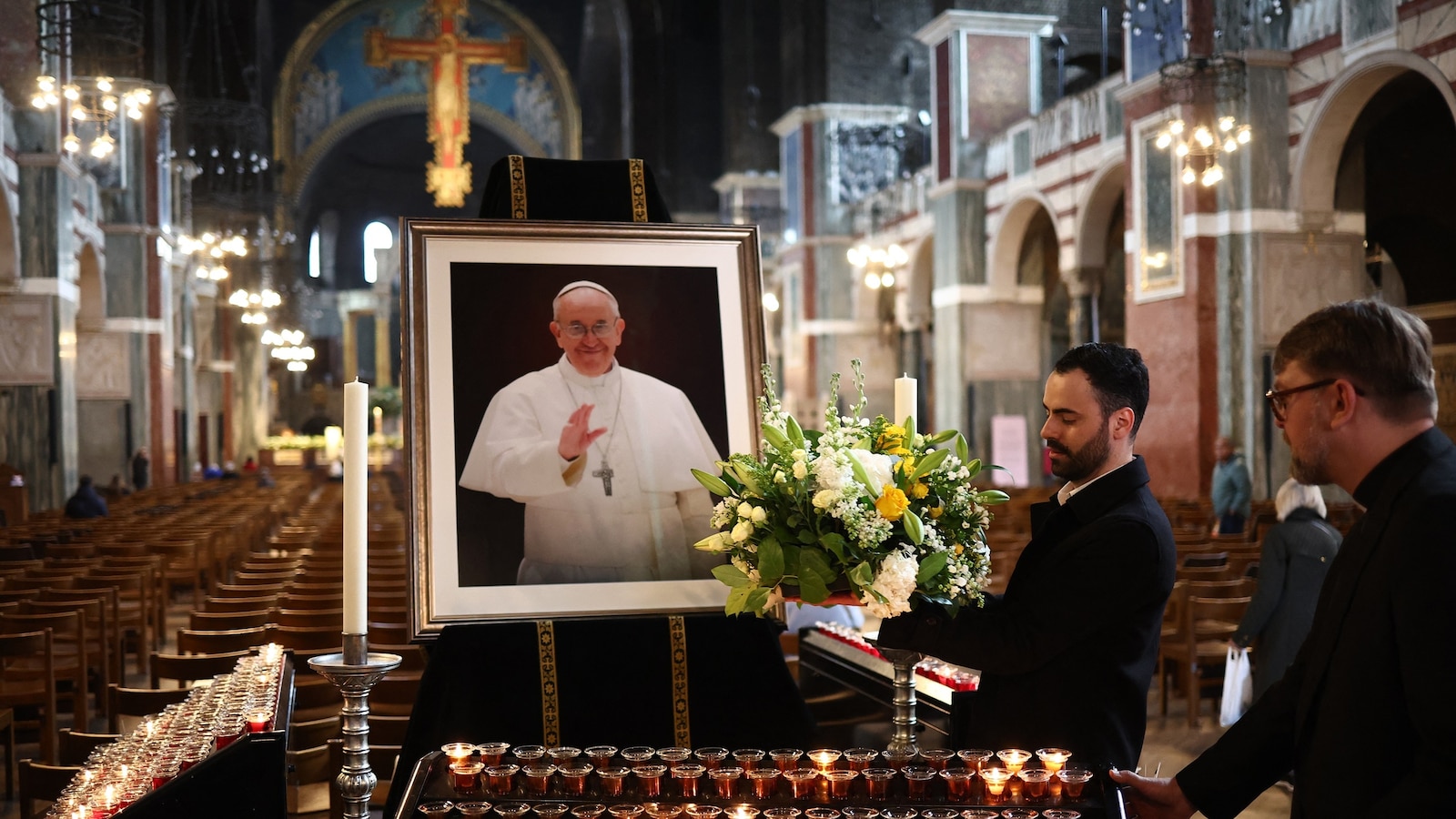
The passing of Pope Francis at age 88 has thrust the Catholic world into a period of reflection and anticipation as cardinals prepare to elect his successor. With over 61 million Catholics calling America home and the nation boasting the second-largest number of cardinals globally after Italy, questions naturally arise about whether the United States might finally contribute a pontiff to lead the world’s 1.3 billion Catholics. The Argentine-born Francis, who led the Church for twelve transformative years as its first Jesuit pope, broke a nearly 1,300-year European monopoly on the papacy when he was elected in 2013. His death on April 21 has opened conversations about whether the College of Cardinals might look beyond traditional European candidates once again—and whether an American could be among the serious contenders. The United States currently has seventeen cardinals, with ten eligible to participate in the upcoming papal conclave that begins this Wednesday. By comparison, Italy maintains fifty-one cardinals with seventeen eligible voters. American Catholics represent approximately nineteen percent of the U.S. population according to the 2020 U.S. Religion Census, making the Church a significant religious force in American society and giving the nation considerable influence within global Catholicism.
The Complications of American Global Dominance
Despite these impressive numbers, experts caution that America’s very prominence on the world stage might actually work against the possibility of an American pope. Anne Barrett Doyle, who co-directs BishopAccountability.org—a watchdog organization monitoring clergy abuse cases worldwide—offered a sobering perspective on what an American pontiff might represent to the international community. She suggested that given the United States’ already overwhelming presence in global economics, military affairs, culture, and politics, adding religious leadership to that portfolio could be perceived as excessive. “If the Catholic Church were also run by an American, the global dominance of the U.S. would be simply pervasive and overwhelming,” Barrett Doyle explained to ABC News. This concern reflects a broader awareness within the Church that the papacy should represent the universal nature of Catholicism rather than consolidating power in regions already wielding considerable global influence. The Vatican has long been sensitive to perceptions of favoritism toward wealthy Western nations, particularly as the Church’s demographic center of gravity shifts increasingly toward the Global South, where Catholic populations are growing rapidly in Africa, Latin America, and parts of Asia. An American pope might unintentionally symbolize a step backward from the globalization and inclusivity that Francis championed throughout his papacy.
The American Cardinals Under Consideration
Nevertheless, speculation about potential American candidates persists, with at least two cardinals emerging in conversations about papal succession. Cardinal Joseph Tobin, the 73-year-old Archbishop of Newark, New Jersey, represents one possibility that observers have floated. Tobin’s career trajectory demonstrates the kind of varied experience that papal electors often value—he’s served as pastor of St. Alphonsus Parish in Chicago, held positions in Rome including General Consultor of the Community of Rome and Superior General of Redemptorists, and was appointed Archbishop of Indianapolis by Pope Benedict XVI in 2012 before Francis elevated him to his current position in Newark and named him to the College of Cardinals in 2016. In his statement mourning Francis, Tobin captured the late pope’s legacy eloquently, describing him as “a man of deep faith, profound humility, unshakable hope—a servant whose tireless call to care for the poor and marginalized will continue to inspire the Church for generations to come.” Perhaps more intriguing is Cardinal Robert Prevost, the 69-year-old Chicago native who has earned a spot on the short list of “papabiles”—serious papal candidates—compiled by The Associated Press following Francis’s death. Since 2023, Prevost has occupied one of the Vatican’s most influential positions as Prefect of the Dicastery for Bishops, effectively serving as the Church’s chief vetting officer for bishop nominations worldwide. Father James Martin, serving as a papal contributor to ABC, confirmed that Prevost is genuinely emerging as a front-runner, giving credence to the possibility that American cardinals are receiving serious consideration despite the challenges they face.
Why an American Pope Remains a Long Shot
Cristina Traina, a religious studies professor at Fordham University, offered a realistic assessment that tempers enthusiasm about American prospects. “I think it’s unlikely because the American church is seen as contentious at this moment,” Traina told ABC News, referencing the deep divisions within American Catholicism over social issues, political alignment, and ecclesiastical authority. The American Church has been torn by debates over everything from immigration and economic justice to LGBTQ+ inclusion and the proper relationship between faith and politics, particularly during an era of heightened political polarization in the United States. These internal tensions make American cardinals potentially problematic choices for leading a global institution seeking unity. Traina predicted that electors would more likely turn “either for a European or someone from the global south or Asia,” continuing the pattern Francis established by opening the papacy to non-European leadership while perhaps looking to regions with growing Catholic vitality and less association with Western political controversies. Dr. Miles Pattenden, a Catholic Church historian and lecturer at Oxford University, went further in his skepticism, describing an American pope as “very unlikely” given current geopolitical realities.
The Trump Factor and Vatican-American Relations
Pattenden pointed specifically to the fraught relationship between the Vatican and the Trump administration as a complicating factor that might make cardinals wary of selecting an American pope at this particular moment. The tensions between Pope Francis and Donald Trump date back to Trump’s first term, when Francis made headlines by questioning the Christianity of anyone who prioritizes building walls over building bridges—a direct reference to Trump’s signature border wall project. The pope stated plainly, “A person who thinks about building walls, wherever they may be, and not building bridges, is not Christian,” creating an awkward moment when Trump and his family later met with Francis at the Vatican in May 2017. More recently, Francis penned a public letter to American Catholic bishops in February criticizing the mass deportation operations ordered by the Trump administration, describing them as creating “a major crisis.” These public disagreements highlight broader philosophical differences between Francis’s vision of a welcoming, mercy-centered Church focused on the marginalized and the nationalist, security-focused policies of the current American administration. With Trump back in office and pursuing controversial policies on immigration, international relations, and domestic social issues, the College of Cardinals might reasonably hesitate before selecting a pope whose nationality alone would inevitably entangle the Church more deeply in American political controversies.
Historical Precedents and Future Possibilities
The reluctance to elect an American pope also reflects historical patterns within the Church that Pattenden noted when he mentioned “a lot of wariness about a pope from the Anglosphere”—the English-speaking world that includes not just the United States but also Britain, Canada, Australia, and other nations with historical ties to the British Empire. This wariness stems partly from concerns about linguistic and cultural dominance, as well as from the complicated history of relations between the Catholic Church and predominantly Protestant English-speaking powers. Technically, Church law permits any baptized Catholic male to become pope, though in practice, popes are selected from among the College of Cardinals, with only those under eighty eligible to vote in the conclave. As the cardinals gather this Wednesday to begin their deliberations in the Sistine Chapel, they’ll balance numerous considerations: theological vision, pastoral experience, administrative competence, age, health, linguistic abilities, and yes, national origin and its symbolic implications. While an American pope isn’t impossible—and candidates like Prevost and Tobin demonstrate that American cardinals have earned respect within the Church hierarchy—the election would require overcoming significant obstacles related to perceptions of American power, the contentious state of American Catholicism, current political tensions, and historical precedents. The College of Cardinals may well decide that this moment calls for leadership from other regions where the Church is experiencing growth and vitality without the complicated political baggage that comes with American identity in today’s polarized global landscape. Only time will tell whether the white smoke rising from the Sistine Chapel will signal the election of the first American pope—or whether that historic moment still lies somewhere in the future.