
Virginia Man Charged in Connection with Deadly Old Dominion University Shooting
The Alleged Gun Sale That Enabled a Campus Tragedy
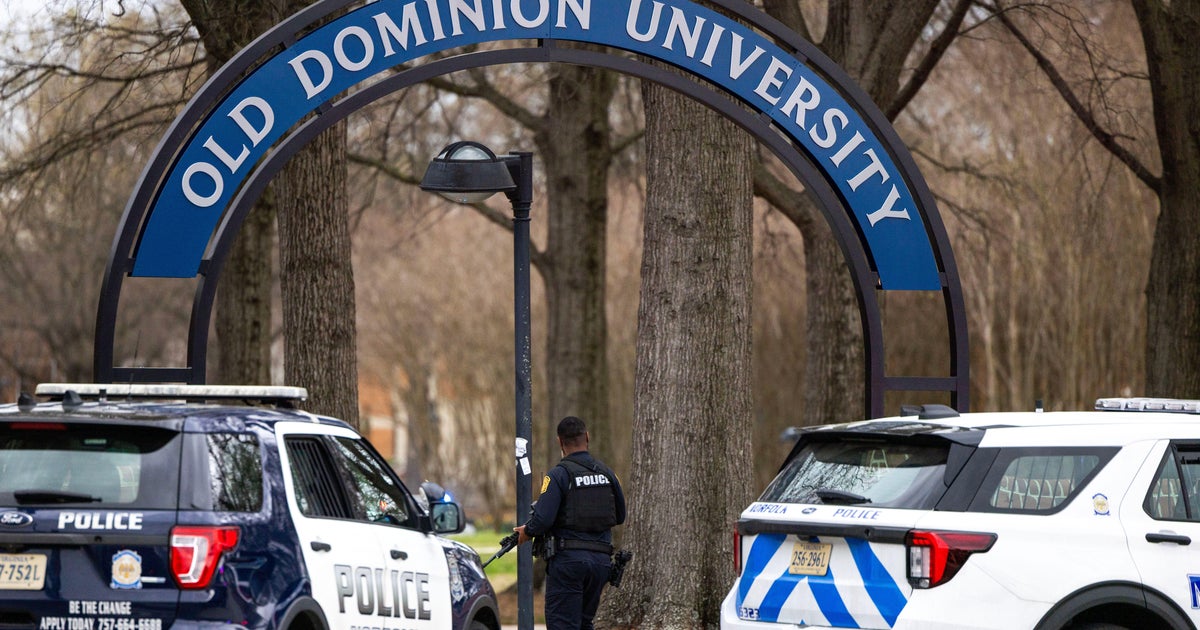
A devastating campus shooting at Old Dominion University in Norfolk, Virginia, has led to federal charges against a man accused of illegally selling the weapon used in the attack. Kenya Mcchell Chapman, a 32-year-old resident of Smithfield, Virginia, now faces serious federal weapons charges after allegedly providing the firearm to the gunman who carried out Thursday’s deadly assault. Chapman is charged with three counts of making false statements during firearm purchases and one count of selling a firearm without the proper federal license. The three false statement charges relate to separate gun purchases Chapman allegedly made back in 2021, which were unrelated to the recent university shooting. Chapman appeared in federal court for the first time on Friday, where the gravity of the situation became clear. Deputy Attorney General Todd Blanche didn’t mince words when addressing the case, stating that Chapman allegedly stole a firearm and illegally sold it to a convicted terrorist who then murdered a decorated American veteran. Blanche emphasized that Chapman would “finally face the full weight of justice” for his alleged actions, underscoring the serious nature of the charges and their tragic consequences.
The Deadly Attack at Old Dominion University
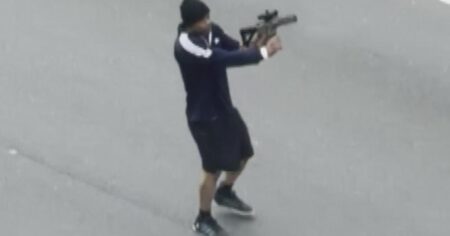
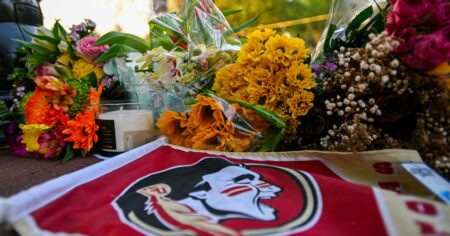
The shooting that shocked the Old Dominion University community unfolded in a business college classroom on Thursday. The gunman, identified as 36-year-old Mohamed Bailor Jalloh, a former Virginia National Guardsman, walked into the classroom and asked if it was an ROTC class. When confirmed that it was, Jalloh opened fire, killing the ROTC instructor and injuring two other individuals. According to a law enforcement source who spoke with CBS News, the attack appeared to be specifically targeted at the Reserve Officers’ Training Corps class. The violence ended when students in the classroom took matters into their own hands, subduing Jalloh in an act of extraordinary courage. Dominique Evans, the special agent in charge of the FBI’s Norfolk Office, confirmed to reporters that Jalloh died after being subdued by these brave students. CBS News has learned that one of the students actually killed the gunman using a knife, preventing further loss of life. At the scene, investigators recovered a Glock 44 .22-caliber firearm with a partially altered serial number, which authorities confirmed was the only weapon found on the suspect, making it the gun responsible for all the carnage that day.
How Investigators Traced the Gun Back to Chapman
The investigation moved swiftly after the shooting, with federal agents working to trace the weapon’s origin. Investigators found a phone belonging to Jalloh next to his body in the classroom, and when they examined his recent contacts from the week leading up to the shooting, they found repeated communication with Chapman. This discovery led federal agents to Chapman’s home in Smithfield, where they conducted a raid on Thursday. During the subsequent interview with federal investigators, Chapman allegedly made several damaging admissions. He told agents that earlier in the week, he had sold Jalloh the Glock 44 .22-caliber firearm for just $100, though he claimed he didn’t know whether its serial number had been altered. Chapman also admitted to stealing the gun approximately a year before the shooting from a vehicle in Newport News, Virginia. He even showed investigators the $100 bill that Jalloh had used to purchase the weapon. When agents searched Chapman’s home, they discovered .22-caliber ammunition that was consistent with the gun recovered from the shooting scene, further linking him to the weapon used in the attack.
A Troubling Connection Between Two Men
The relationship between Chapman and Jalloh added another layer to the investigation. According to the federal affidavit, the two men had met at work and maintained contact in the days leading up to the tragedy. Phone records revealed that Chapman and Jalloh spoke six times between March 5 and the day of the shooting, with their most recent call occurring just minutes before Jalloh entered that Old Dominion University classroom and opened fire. This timing raised serious questions about what Chapman may have known about Jalloh’s intentions. During his interview with investigators, Chapman allegedly admitted that he knew Jalloh had spent time in prison, though he denied knowing that Jalloh was a convicted felon who was legally prohibited from owning firearms. Chapman claimed that Jalloh had told him he needed the gun for protection while working as a delivery driver. The affidavit states that Chapman insisted he “had no idea” that Jalloh would commit an attack, suggesting he believed the gun would be used for legitimate self-defense purposes. However, the timing of their communications and the nature of the transaction—involving a stolen gun with an altered serial number sold for just $100—painted a picture that federal prosecutors found deeply troubling.
Chapman’s Previous Run-Ins with Gun Laws
This wasn’t Chapman’s first encounter with federal authorities regarding illegal firearms transactions. The affidavit reveals that Chapman had been investigated back in 2021 for what are known as “straw purchases”—buying guns legally on behalf of someone who cannot legally purchase them. At that time, Chapman allegedly obtained three guns illegally, and he admitted to investigators that he had done so improperly. The consequences of those illegal purchases were severe: two of the guns were later recovered from a homicide scene, while a third was found during a drunk in public incident. Rather than facing criminal charges at that time, Chapman received a warning letter from authorities and was asked to write a letter of apology. This earlier leniency now appears tragically insufficient, given the deadly consequences of Chapman’s alleged continued illegal firearms dealings. The fact that Chapman had been previously warned about the dangers of illegal gun sales, yet allegedly continued to engage in such activity—ultimately providing a weapon to someone who used it to kill an innocent person—will likely weigh heavily in his prosecution.
The Legal Consequences and Broader Implications
Chapman now faces extraordinarily serious legal consequences for his alleged actions. If convicted on all charges, he could face a maximum sentence of 35 years in federal prison, effectively ensuring he would spend much of the rest of his life behind bars. The charges reflect not only the illegal sale to Jalloh but also his previous false statements during gun purchases in 2021. Chapman’s attorneys have declined to comment on the case when reached by CBS News, a common legal strategy at this early stage of prosecution. The case highlights the devastating real-world consequences of illegal gun sales and the black market for firearms. Jalloh, who pleaded guilty in October 2016 to attempting to provide material support to ISIS and served federal prison time from 2017 to 2024, was legally prohibited from purchasing or owning firearms due to his felony conviction. Yet he was able to obtain a weapon with relative ease through an illegal purchase from Chapman. This tragedy underscores ongoing debates about gun control, background checks, and the enforcement of existing firearms laws. The murdered ROTC instructor was described as a decorated American veteran who dedicated his life to service, only to have it cut short by violence enabled through illegal gun trafficking. While the heroic students who stopped the attack prevented even greater loss of life, one family has lost a loved one, two others were injured, and an entire university community has been traumatized—all because illegal firearms transactions continue to put weapons in the hands of those who should never have them.