



Turning Rock Dust Into Climate Action: A Simple Solution Hiding in Plain Sight
An Innovative Approach to Carbon Capture
Sometimes the most groundbreaking solutions to our biggest problems aren’t found in high-tech laboratories or futuristic inventions—they’re literally beneath our feet. A Seattle-based company called Lithos Carbon is revolutionizing the fight against climate change by transforming what was once considered mining waste into a powerful tool for capturing carbon dioxide from the atmosphere. The concept is elegantly simple: they’re taking rock dust, a byproduct left over from mining materials used to build roads, runways, and roofs, and spreading it across farmland where it naturally absorbs greenhouse gases. What makes this approach particularly exciting is that it doesn’t require inventing new technology or fundamentally changing how we live. Instead, it harnesses a natural process that’s been happening on Earth for millions of years and simply speeds it up to meet the urgent demands of our current climate crisis.
The science behind this innovative solution relies on a natural phenomenon called rock weathering, where certain types of rocks—particularly limestone and basalt—naturally absorb carbon dioxide from the air over time. This process is similar to other forms of carbon capture that nature has been performing since long before humans walked the planet, much like how forests absorb CO2 through trees or how oceans capture carbon through seaweed and other marine organisms. The catch has always been time: when left to nature alone, rock weathering takes thousands to millions of years to make a meaningful impact. But Lithos Carbon has found a way to dramatically accelerate this process through what’s known as enhanced rock weathering, turning an geological timescale process into something that can help address our immediate climate emergency.
From Waste Mountains to Climate Solution
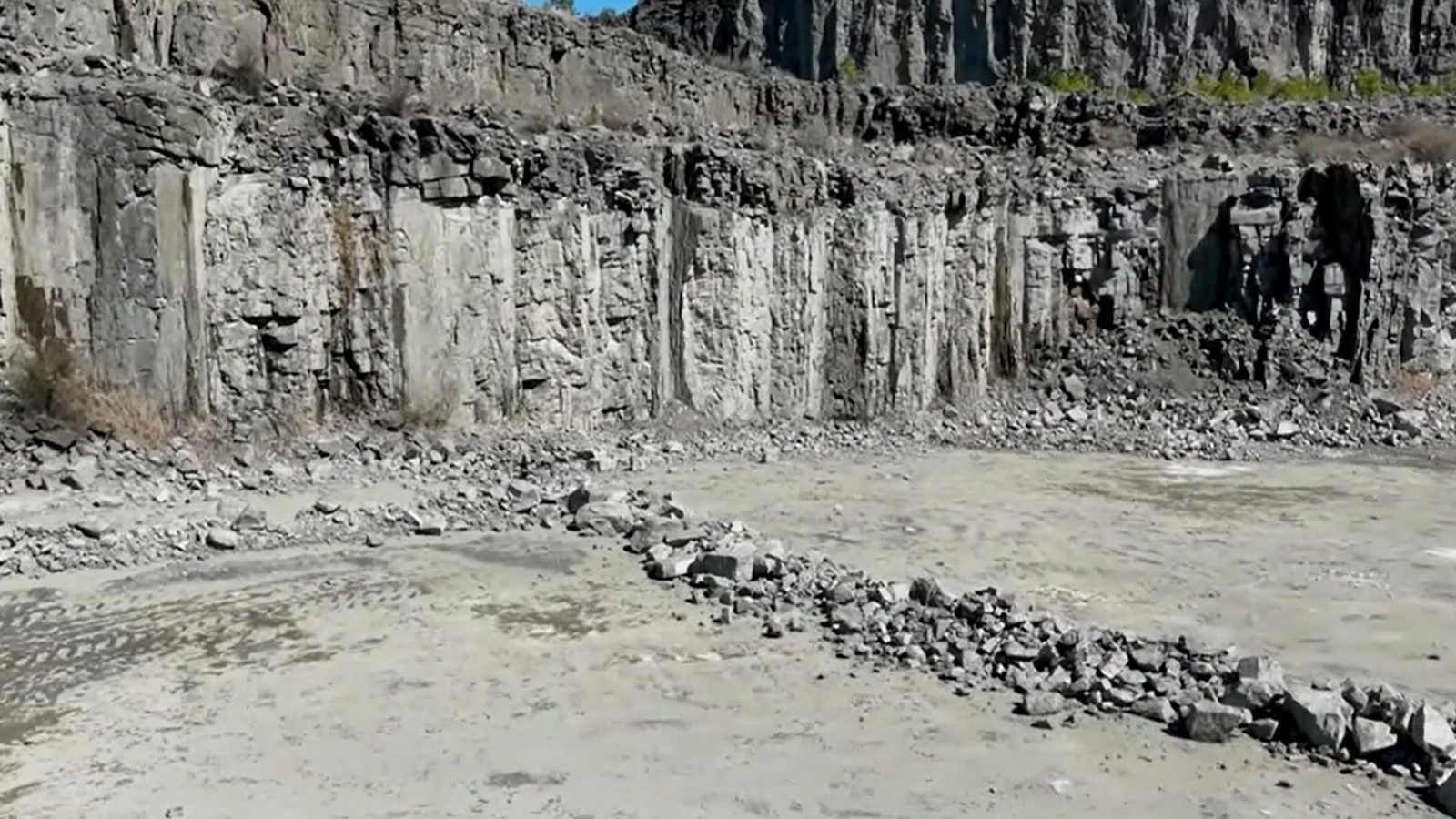
The story of how rock dust went from unwanted waste to climate solution is a perfect example of seeing opportunity where others saw only problems. For years, rock quarries across the country generated massive amounts of basalt rock dust as an unavoidable byproduct of their mining operations. With no commercial use for this fine powder, quarries simply piled it up, creating artificial mountains of waste that could reach heights of 125 feet or more. These towering heaps of discarded dust represented not just wasted space but a missed opportunity of epic proportions. Everything changed when researchers made a crucial discovery: the very fineness of the dust that made it seem useless actually gave it an extraordinary ability to absorb carbon dioxide—but only if it was spread out rather than piled up.
Mary Yap, the CEO of Lithos Carbon, uses a brilliant analogy to explain why the dust works so much better than regular rocks. “It’s like putting cubes or rocks of sugar in your coffee, which is probably not going to do much… versus powdered sugar,” she explains. The increased surface area of the pulverized rock means it can interact with the atmosphere and soil moisture much more rapidly than intact stones would. This discovery transformed what was essentially industrial trash into a valuable resource for fighting climate change. What’s particularly clever about Lithos’s business model is that it creates value from waste, solving two problems at once: it gives quarries a way to dispose of their dust productively while providing farmers with a material that benefits their crops and the planet simultaneously.
How the Process Works in Practice
The operational side of Lithos Carbon’s approach is refreshingly straightforward and builds on existing agricultural practices that farmers already understand. The company arranges to collect the rock dust from quarries and transport it to nearby farms, deliberately keeping transportation distances as short as possible to ensure that the trucks moving the material don’t generate more greenhouse gas emissions than the dust will eventually capture. Once the dust arrives at the farm, the application process is remarkably familiar to anyone who’s worked in agriculture. Farmers use the same spreaders they’ve always used for distributing fertilizer and limestone, spreading the rock dust across their fields in a thin layer just one millimeter deep. This can cover millions of acres of farmland without disrupting normal farming operations.
What sets this process apart from traditional farming practices is the sophisticated monitoring system that tracks its effectiveness. As farmers spread the dust using their tractors, sensors in the tractor cab automatically collect data and transmit it to Lithos, providing real-time information about application rates and coverage. The company also regularly collects soil samples from participating farms to verify that the carbon capture is actually happening as predicted and to measure any changes in soil chemistry. This combination of low-tech application methods with high-tech monitoring creates a system that’s both easy for farmers to implement and scientifically rigorous enough to provide confidence that the carbon removal is genuine and measurable. According to Yap, this approach is capturing up to 1 billion tons of carbon dioxide per year, a significant contribution to addressing the climate crisis.
Why This Matters for Our Climate Future
To understand the importance of solutions like enhanced rock weathering, you need to grasp the scale of the climate challenge we’re facing. In 2024 alone, humanity released 37.4 billion metric tons of carbon dioxide into the atmosphere—a staggering figure that becomes even more alarming when you consider that this is more than triple the 11 billion tons we were emitting annually back in the 1960s, according to the Global Carbon Budget. These greenhouse gases trap heat in our atmosphere, driving the global warming that’s already causing more frequent heat waves, stronger hurricanes, rising sea levels, and disrupted weather patterns around the world. While reducing our emissions is absolutely critical, scientists increasingly agree that we also need to actively remove carbon that’s already in the atmosphere if we’re going to avoid the worst impacts of climate change.
This is where natural carbon removal solutions like Lithos’s rock weathering approach become invaluable. Finding ways to pull billions of tons of greenhouse gases back out of the atmosphere that can operate at a meaningful scale is one of the defining challenges of our time. What makes enhanced rock weathering particularly promising is that it doesn’t require massive new infrastructure, exotic materials, or energy-intensive industrial processes. It works with natural geological processes, existing agricultural systems, and materials that are already being produced as waste products. “Our job is to supercharge what nature could do over time,” Yap explains, and that acceleration could be crucial for meeting climate goals that require action within decades rather than millennia.
Benefits Beyond Carbon Capture
One of the most compelling aspects of enhanced rock weathering is that it creates multiple benefits beyond just removing carbon from the air, making it an attractive option for the farmers who are essential partners in making the system work. Rick Bennett, a lifelong farmer from Virginia who uses rock dust on his fields and helps other farmers do the same, has become a passionate advocate for the practice because he’s seen the agricultural benefits firsthand. According to Bennett, the rock dust is completely organic and contains nutrients that help fertilize crops, providing tangible value to farmers beyond any payments they might receive for participating in carbon removal programs. The dust also raises the pH of acidic soils, a process similar to the traditional practice of liming fields but with the added benefit of carbon capture.
“The great news is that the added benefit to raising the pH of the soil and increasing crop yields is that it also benefits every person on the planet that it’s cleaning the air at the same time,” Bennett explains. This combination of immediate agricultural benefits with long-term climate benefits helps overcome one of the biggest obstacles to implementing climate solutions: getting people to change their practices. When farmers can see improved crop yields in their own fields while also contributing to a global environmental goal, the adoption becomes much more natural. As Yap points out, “We’re just taking things humans already do—rocks, farms, tractors, spreaders, science—and then bringing it all together. And hopefully something that more of the globe can run with as well.” This practical, scalable approach to climate action demonstrates that solutions don’t have to be complicated to be effective. Or, as Yap quips with justifiable pride: “It’s not rocket science. It’s rock science.”