


America’s Largest Winter Olympics Team Heads to Italy: A Look at Team USA 2026
Record-Breaking Team Size Shows Growing Winter Sports Participation
The United States is making history at the 2026 Winter Olympics in Italy by sending its largest-ever Winter Games delegation. With an impressive roster of 232 athletes representing communities across the nation, Team USA has surpassed its previous record of 228 competitors who participated in the 2018 PyeongChang Winter Olympics. This milestone reflects the growing popularity and accessibility of winter sports throughout America, demonstrating that Olympic dreams are becoming more attainable for athletes from diverse geographic backgrounds. The United States Olympic and Paralympic Committee has assembled a team that brings together both seasoned champions and fresh talent, creating an exciting mix of experience and youthful enthusiasm that promises to make this year’s Games particularly memorable for American fans.
Geographic Distribution Reveals Winter Sports Hotspots Across America
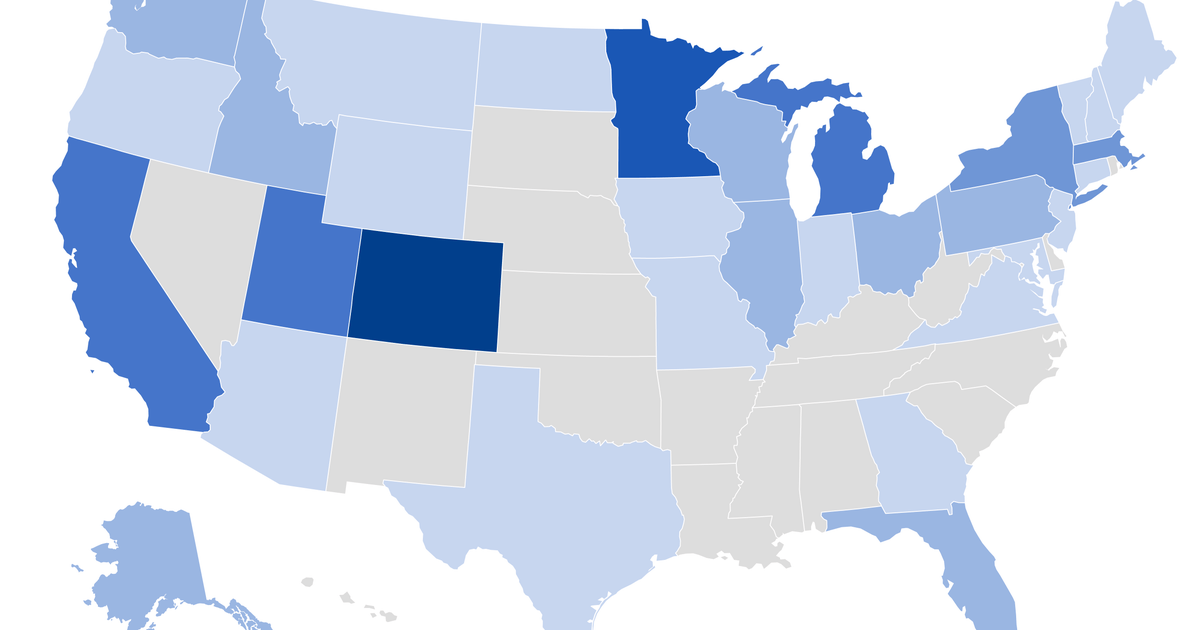
When examining where these Olympic athletes call home, some fascinating geographic patterns emerge. Colorado dominates the roster with 30 athletes, which makes perfect sense given the state’s world-renowned mountain ranges and extensive winter sports infrastructure. Minnesota follows closely behind with 24 representatives, showcasing the Upper Midwest’s strong tradition of ice hockey, figure skating, and Nordic skiing. California surprises many by claiming the third spot with 19 athletes, proving that winter sports aren’t exclusively the domain of snow-covered states. Utah contributes 17 athletes, Michigan sends 15, and New York accounts for 14 team members. Massachusetts adds 12 competitors to the mix, while Illinois provides 9 athletes to the national team. These numbers paint a picture of winter sports spreading beyond traditional boundaries and taking root in communities with varying climates and geographic features. Interestingly, the team’s diversity extends internationally as well, with three athletes listing hometowns in New Zealand, Canada, and Ukraine, showcasing the global nature of American Olympic talent recruitment and the immigrant experience in competitive sports.
Small-Town America and Underrepresented Regions
The geographic distribution also reveals significant disparities, with 18 states sending no athletes at all to the Winter Games. Several states have minimal representation, including Georgia, Indiana, Iowa, North Dakota, and Washington, D.C., each contributing just a single athlete. This limited participation from certain regions highlights the challenges that geography, climate, and access to training facilities present for aspiring winter sports athletes. The states without any representatives face even greater barriers, whether due to lack of winter weather, limited access to specialized training centers, or insufficient funding for winter sports programs. These gaps underscore important conversations about equity in Olympic sports development and the need for programs that can identify and nurture talent regardless of where young athletes happen to be born. Alaska, despite its abundance of snow and ice, contributes only 6 athletes, which seems surprisingly modest given the state’s natural advantages for winter sports training.
Elite Training Communities Emerge as Olympic Talent Incubators
When researchers mapped not just states but specific hometowns, some remarkable concentrations of Olympic talent emerged. Park City, Utah, stands out as the undisputed leader with 11 athletes calling this ski resort town home. This Utah community has deliberately invested in becoming a premier training destination, offering world-class facilities and coaching that attract serious competitors from childhood through their Olympic careers. Following Park City, Steamboat Springs, Colorado, Lake Placid, New York, and Anchorage, Alaska, have also established themselves as Olympic athlete factories. These communities share common characteristics: exceptional natural terrain for winter sports, significant investment in training infrastructure, strong youth development programs, and cultures that celebrate and support athletic excellence. Lake Placid’s legacy as a former Olympic host city continues to pay dividends decades later, while Anchorage combines accessible wilderness with urban amenities that support year-round training. These geographic clusters suggest that proximity to quality coaching, competitive peer groups, and appropriate facilities may matter more than simply living in a cold climate when it comes to developing Olympic-caliber winter athletes.
Experience Meets Fresh Talent in a Balanced Team Composition
Team USA’s 2026 roster represents an ideal blend of Olympic veterans and exciting newcomers. The delegation includes 98 returning Olympians who collectively have claimed 22 gold medals in previous Winter Games, bringing invaluable experience, composure under pressure, and knowledge of what it takes to succeed on the world’s biggest sporting stage. These veterans serve not only as competitors but as mentors and role models for younger teammates experiencing the Olympic environment for the first time. Meanwhile, 32 athletes on the team previously competed at the Youth Olympic Games, with 20 of these young competitors making their senior Olympic debut in Italy. This pipeline from youth competition to the main Olympic stage demonstrates the effectiveness of development programs designed to identify talent early and provide appropriate competitive experiences at each stage of an athlete’s journey. The three alternate athletes, while not included in the official 232-person count, also represent the depth of American winter sports talent and stand ready to step in if needed, having trained just as hard as their teammates who made the primary roster.
What These Numbers Mean for American Winter Sports
This record-breaking team size tells a broader story about winter sports in America. While summer Olympic teams are even larger, the growth in winter sports participation is particularly significant given the specialized facilities, expensive equipment, and geographic limitations these sports often require. The fact that California, a state better known for beaches than ski slopes, ranks third in athlete representation shows how dedicated training centers and indoor facilities have democratized access to winter sports. The concentration of athletes in specific towns like Park City and Steamboat Springs suggests that strategic investment in sports infrastructure and coaching creates lasting dividends, potentially offering a model for other communities hoping to develop Olympic talent. However, the 18 states with zero representation remind us that significant work remains to make winter sports truly accessible nationwide. As Americans tune in to watch these 232 athletes compete in Italy, they’re witnessing not just individual achievement but the results of decades of investment in youth sports programs, facility development, and coaching education. Whether these athletes return home with medals or personal best performances, they represent the pinnacle of American winter sports and inspire the next generation of young athletes who dream of one day representing their country on the Olympic stage.