


U.S. Army Master Sergeant Arrested for Alleged Insider Trading on Venezuela Military Operation
In a stunning case that combines military secrecy, cryptocurrency gambling, and alleged betrayal of trust, the U.S. Department of Justice has arrested an Army Master Sergeant on charges of exploiting classified information for personal financial gain. Gannon Ken Van Dyke, a member of the Army’s elite special forces stationed at Fort Bragg, stands accused of using his insider knowledge of a planned military raid targeting former Venezuelan leader Nicolas Maduro to place strategic bets on a prediction market platform, ultimately netting approximately $400,000 in illegal profits from an initial investment of just $33,000.
The Charges and Allegations
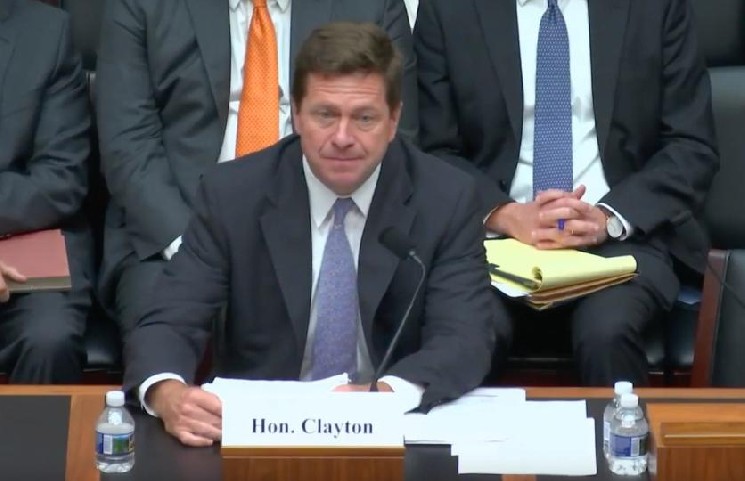
The Department of Justice unsealed a formal indictment on Thursday that paints a damning picture of calculated exploitation of America’s military secrets. Van Dyke faces multiple serious federal charges, including the unlawful use of confidential government information for personal gain, theft of nonpublic government information, and various fraud charges. According to prosecutors, Van Dyke wasn’t just a bystander with access to classified information—he was directly “involved in the planning and execution” of the military operation designed to detain Maduro, the embattled Venezuelan leader. This level of involvement would have given him extraordinarily detailed knowledge about the timing, nature, and likelihood of success of the operation, knowledge that he allegedly transformed into a personal windfall through calculated gambling on the Polymarket prediction platform. U.S. Attorney Jay Clayton didn’t mince words in his public statement about the case, declaring that “The defendant allegedly violated the trust placed in him by the United States Government by using classified information about a sensitive military operation to place bets on the timing and outcome of that very operation, all to turn a profit.” Clayton characterized the behavior in the clearest possible terms: “That is clear insider trading and is illegal under federal law.”
The Betting Scheme Uncovered
The indictment reveals a methodical approach to what prosecutors characterize as insider trading in the military sphere. According to the filing, Van Dyke created an account on Polymarket—a cryptocurrency-based prediction market where users can bet on real-world events—on December 26, 2025, just days before the operation was set to unfold. Over the course of approximately one week, from his account creation through January 2, 2026, Van Dyke allegedly placed thirteen separate bets on various contracts related to Venezuela. These bets weren’t random gambles on distant political possibilities; they were precisely targeted wagers on contracts predicting whether U.S. forces would actually land in Venezuela, whether they would successfully remove Maduro from power, whether the action would constitute a full invasion, and similar highly specific outcomes that someone with insider knowledge would have unique insight into. The timing and specificity of these bets would later prove crucial to investigators building their case. By betting across multiple related contracts, Van Dyke allegedly positioned himself to profit handsomely when the operation he was helping to plan actually came to fruition, transforming his $33,000 stake into more than $400,000—a remarkable return that would ultimately contribute to his downfall.
Attempting to Hide the Evidence
The story doesn’t end with the successful bets and massive windfall. According to the indictment, Van Dyke allegedly took deliberate steps to conceal his identity and obscure the paper trail leading back to his illegal profits. After the raid on Maduro occurred and his prediction market bets paid off spectacularly, Van Dyke allegedly moved quickly to withdraw the funds from his Polymarket account. But rather than simply transferring the money to a traditional bank account—a move that would have created an obvious trail for investigators—he allegedly employed more sophisticated techniques using cryptocurrency. The filing states that Van Dyke converted his winnings into a bridged version of USDC, a so-called “stablecoin” cryptocurrency designed to maintain a value equivalent to the U.S. dollar, and then transferred these digital assets to “a foreign cryptocurrency ‘vault'”—likely a reference to an overseas cryptocurrency wallet or custodial service that might be less cooperative with U.S. law enforcement. From there, he allegedly began the process of gradually withdrawing funds and moving them into a brokerage account, presumably hoping that by fragmenting the transactions and using overseas intermediaries, he could avoid detection. His alleged efforts at concealment didn’t stop with the money trail. When Van Dyke apparently became aware that his massive Polymarket wins had attracted attention—the indictment specifically notes that news organizations had begun reporting on the fact that someone had made extraordinary profits on these specific Venezuela-related prediction contracts—he allegedly took additional steps to cover his tracks. According to prosecutors, Van Dyke contacted Polymarket directly, requesting that they delete his account entirely, and he changed the email address associated with the account in an apparent attempt to sever the connection between his real identity and the suspicious betting activity.
The Intersection of Modern Technology and Military Security
This case represents a fascinating and troubling intersection of several contemporary phenomena: the rise of cryptocurrency and prediction markets, the challenges of maintaining operational security in the digital age, and the eternal temptation of individuals with inside information to exploit it for personal gain. Polymarket and similar prediction market platforms have grown increasingly popular in recent years, offering users the ability to bet on everything from election outcomes to corporate decisions to geopolitical events. While supporters argue these markets can aggregate information and produce accurate forecasts about future events, this case highlights a darker possibility: that individuals with genuine inside information might use these platforms as vehicles for what amounts to insider trading. Unlike traditional securities markets, which have been regulated for decades and have extensive monitoring systems designed to detect insider trading, prediction markets operate in a much grayer legal area with fewer protections and oversight mechanisms. The use of cryptocurrency further complicates matters, as it can enable rapid international transfers with a degree of pseudonymity that makes traditional financial investigation more challenging. For military and intelligence officials, this case likely raises alarming questions about operational security. If a special forces soldier directly involved in planning a sensitive military operation felt comfortable placing public bets on that operation’s outcome, what does that say about the culture of secrecy and the understanding of security protocols? The case may prompt a broader examination of how service members with access to classified information are educated about what constitutes illegal exploitation of that information, particularly in the context of emerging technologies that might not have been contemplated when traditional security protocols were established.
Broader Implications and Questions
Beyond the specifics of Van Dyke’s alleged actions, this case raises profound questions about trust, duty, and the peculiar temptations of the modern information age. Military service, particularly in elite special forces units, is built on a foundation of trust—trust between soldiers, trust between service members and their commanders, and trust that those entrusted with the nation’s most sensitive secrets will honor that responsibility even when opportunities for personal gain present themselves. The allegations against Van Dyke represent a fundamental violation of that trust, suggesting that he prioritized personal financial enrichment over the safety of his fellow soldiers and the success of a military operation. There’s also a certain brazenness to the alleged scheme that’s worth noting. Unlike insider traders in the corporate world who might rely on subtle tips or carefully obscured connections to nonpublic information, Van Dyke allegedly bet directly on an operation he was personally helping to plan and execute. This wasn’t information he happened to overhear or learn about tangentially; according to prosecutors, he was in the planning room. The psychological calculus that would lead someone to take such a risk—gambling that they wouldn’t be caught, that the massive windfall would somehow be worth the potential destruction of their military career and freedom—provides a window into how the lure of easy money can overcome judgment and ethics. The case also intersects with broader debates about America’s relationship with Venezuela and the Maduro government. While the indictment treats the military operation as an established fact and focuses exclusively on Van Dyke’s alleged exploitation of information about it, the very existence of such an operation raises its own set of questions about U.S. foreign policy and military intervention that extend well beyond the scope of this criminal case.
Conclusion: Justice and Accountability
As this case moves forward through the federal court system, Van Dyke will have the opportunity to defend himself against these serious allegations. It’s worth remembering that an indictment represents accusations, not proof, and that the defendant is presumed innocent until proven guilty. However, if the allegations are proven, this case will stand as a stark warning about the consequences of betraying the trust placed in those who serve in sensitive national security positions. The potential penalties for the charges Van Dyke faces are substantial and could include significant prison time. Beyond the legal consequences, a conviction would represent the end of his military career and a permanent stain on his reputation. For the military and intelligence communities, this case serves as an important reminder that security threats don’t always come from foreign adversaries or sophisticated espionage operations—sometimes they come from within, from individuals who succumb to the temptation to exploit their access for personal gain. As prediction markets, cryptocurrency, and other novel technologies continue to evolve and create new opportunities for those with inside information to profit illegally, cases like this one will likely become more common, demanding updated approaches to security education, monitoring, and enforcement. The fundamental challenge remains unchanged from the earliest days of insider trading law: how to prevent those with privileged access to nonpublic information from exploiting that access while still allowing markets and information sharing to function effectively. In the military context, where the stakes can literally be life and death, that challenge takes on even greater urgency.