
American Soldier Arrested for Illegal Betting on Classified Military Operation
The Shocking Discovery of Insider Trading in Military Ranks
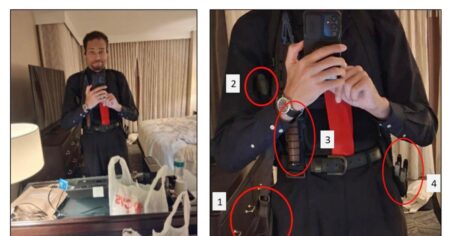
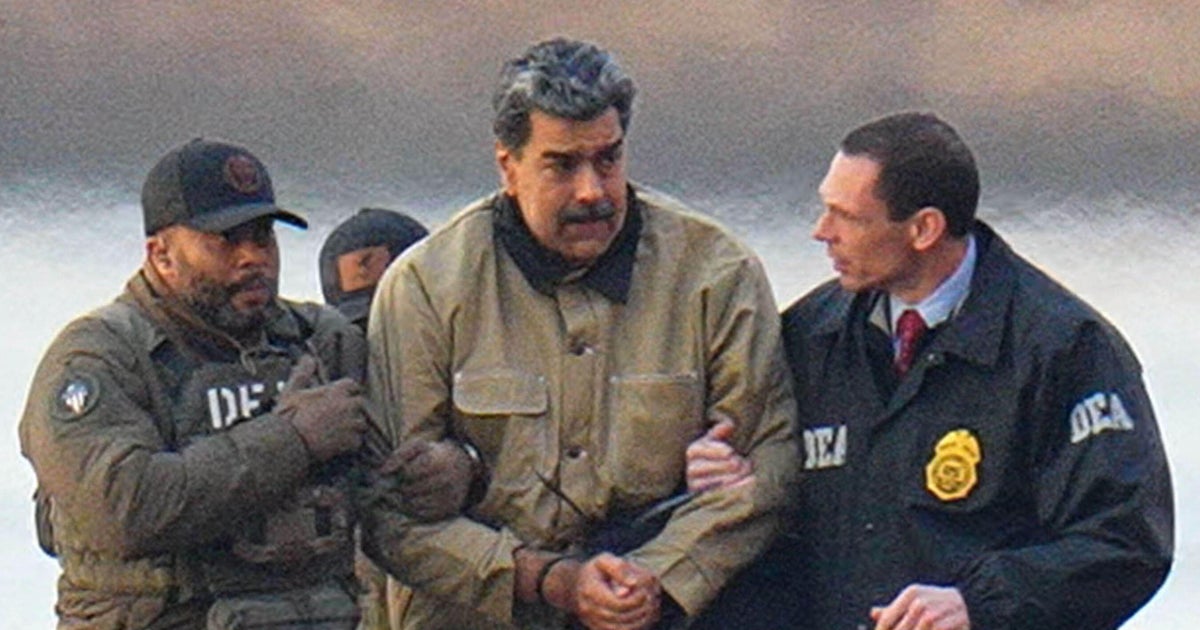
In a stunning breach of military trust and federal law, a U.S. special forces soldier was taken into custody this week after allegedly using top-secret information about a major military operation to place profitable bets on a prediction market platform. Gannon Ken Van Dyke, an Army soldier who played a direct role in the capture of Venezuelan leader Nicolas Maduro, now faces serious federal charges after investigators discovered he had wagered over $33,000 on the outcome of the very operation he helped execute. This unprecedented case has raised alarm bells about the intersection of classified military information and the rapidly growing world of online prediction markets, where users bet real money on the outcomes of political events, sports, and world affairs. The arrest marks the first time U.S. authorities have charged a service member with exploiting confidential military intelligence for personal financial gain through prediction markets, setting a significant legal precedent and sending shockwaves through both military and financial communities.
How the Illegal Scheme Unfolded
According to federal investigators and a newly unsealed indictment from the Southern District of New York, Van Dyke’s alleged scheme began in the early morning hours of January 3rd, just before President Trump announced on his Truth Social platform that Maduro and his wife had been “captured and flown out of the Country.” With advance knowledge of the operation’s success, Van Dyke allegedly opened an account on Polymarket, a popular prediction platform where users trade on the likelihood of future events. Shortly before the president’s public announcement, someone using Van Dyke’s account placed a massive $32,537 bet on the likelihood that Maduro would be “out by January 31, 2026″—a wager that was almost certain to pay off given Van Dyke’s insider knowledge. The soldier didn’t stop there, however. Three additional bets were placed through the same account: a $1,000 wager predicting the U.S. would invade Venezuela by January 31st, a $250 bet that President Trump would invoke the War Powers Act against Venezuela within the same timeframe, and a $146 wager that American forces would physically land in Venezuela by month’s end. These calculated bets, made with the confidence that only classified information could provide, ultimately netted Van Dyke winnings exceeding $409,000—a fortune built entirely on betraying the trust placed in him by his country and fellow service members.
The Legal Consequences and Criminal Charges
The Justice Department has thrown the book at Van Dyke, charging him with an array of serious federal offenses that could result in decades behind bars. The indictment includes charges of unlawful use of confidential government information for personal gain, theft of nonpublic government information, commodities fraud, wire fraud, and engaging in monetary transactions derived from unlawful activity. U.S. Attorney Jay Clayton for the Southern District of New York didn’t mince words when describing the gravity of Van Dyke’s alleged actions, stating emphatically that “prediction markets are not a haven for using misappropriated confidential or classified information for personal gain.” Clayton emphasized that the defendant had violated the sacred trust placed in him by the United States Government, exploiting classified information about a sensitive military operation to place bets on that very operation’s timing and outcome—all for personal profit. “That is clear insider trading and is illegal under federal law,” Clayton declared. The prosecution’s case highlights not just the financial crimes involved, but the fundamental betrayal of military values and national security principles that Van Dyke’s actions represent. By monetizing classified information, he potentially endangered operational security, compromised future missions, and set a dangerous example that could encourage others with access to sensitive information to seek similar profits.
Presidential Response and the Pete Rose Comparison
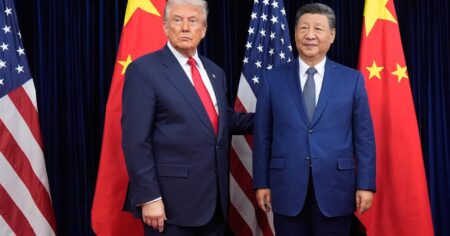
When reporters asked President Trump about the arrest during an unrelated Oval Office event, he admitted he hadn’t yet heard about the alleged betting scheme but promised to look into it. In a characteristically colorful response, Trump compared the situation to baseball legend Pete Rose, who was permanently banned from Major League Baseball for betting on games involving his own team. “That’s like Pete Rose betting on his own team,” the president observed, drawing a parallel between the soldier’s actions and one of sports’ most infamous gambling scandals. Interestingly, Trump has been a defender of Rose, even stating last year that he would consider issuing a posthumous pardon for the baseball icon. When pressed about broader concerns regarding insider trading on prediction markets, Trump expressed unease with the situation. “I’m not happy with any of that stuff,” he stated candidly. The president went on to reflect on what he sees as a troubling global trend: “The whole world, unfortunately, has become somewhat of a casino, and you look at what’s going on all over the world, in Europe and every place, they’re doing these betting things.” Trump admitted he was “never much in favor of it,” noting that while he liked the concept theoretically, the reality of prediction markets presents complex challenges. His comments reveal a tension between his generally pro-business, deregulation stance and concerns about the ethical and security implications of allowing betting on real-world political and military events.
Polymarket’s Response and Previous Incidents
Polymarket, the prediction platform at the center of this scandal, moved quickly to distance itself from Van Dyke’s alleged misconduct and highlight its cooperation with authorities. In a statement posted on X (formerly Twitter), the company emphasized its proactive role in the investigation: “When we identified a user trading on classified government information, we referred the matter to the DOJ & cooperated with their investigation.” The company declared firmly that “insider trading has no place on Polymarket” and pointed to Van Dyke’s arrest as “proof the system works.” However, this isn’t the first time Polymarket has found itself entangled in insider trading allegations. Just months earlier in February, two Israeli soldiers were charged in connection with suspected use of classified information to place bets on the platform, suggesting this may be an emerging problem as prediction markets gain popularity among those with access to sensitive government information. In a “60 Minutes” interview last year, Polymarket CEO Shayne Coplan had addressed the challenge of users trading on inside information, taking a somewhat controversial stance. “I think that people going and having an edge to the market is a good thing,” Coplan said, though he quickly added important caveats about the need for curation and ethical boundaries. “Obviously, you need to curate them and you need to be really clear and stringent on where the line is drawn and… ethics, and we spend a lot of time on that,” he explained. Critics might argue that Van Dyke’s case demonstrates that the company’s safeguards weren’t sufficient, while supporters would point to the company’s cooperation with investigators as evidence their detection systems ultimately worked.
Broader Implications for National Security and Financial Markets
Van Dyke’s arrest represents far more than just one soldier’s fall from grace—it’s a watershed moment that exposes vulnerabilities at the intersection of classified information, financial markets, and emerging technology platforms. As prediction markets grow in popularity and legitimacy, attracting billions of dollars in trading volume and increasingly being cited as indicators of public sentiment on everything from elections to policy decisions, the temptation for those with inside information to exploit these platforms will only increase. The case raises urgent questions about how the military and intelligence communities will adapt their security protocols to account for these new avenues of potential information leakage. Traditional insider trading laws were written with stock markets in mind, but prediction markets operate in a regulatory gray area that lawmakers are only beginning to understand. Van Dyke’s prosecution will likely serve as a template for future cases, establishing important legal precedents about how existing laws apply to these novel platforms. Moreover, this incident may prompt a broader reckoning about the wisdom of allowing betting on sensitive geopolitical events, military operations, and political developments. While proponents argue these markets aggregate information and provide valuable forecasting tools, critics contend they create perverse incentives for those with access to classified information and potentially compromise operational security. As the world continues to become more interconnected and digital, with information moving at lightning speed across global platforms, the challenge of protecting classified information while maintaining the benefits of open prediction markets will only become more complex. Van Dyke’s alleged actions serve as a cautionary tale about the very human temptation to profit from privileged knowledge, and the devastating consequences when those entrusted with our nation’s secrets choose personal gain over duty, honor, and integrity.