

Tragedy at Sea: The Search for Missing Crew After Cargo Ship Capsizes
A Devastating Discovery in the Pacific
In a heartbreaking development that has gripped maritime communities across the Pacific, authorities have recovered the body of one crew member from the U.S.-flagged cargo vessel “Mariana,” which capsized during a powerful typhoon near the Northern Mariana Islands. The discovery, made by U.S. Air Force divers using sophisticated underwater drone technology, marks a somber milestone in an extensive search and rescue operation that continues for five other missing sailors. The divers deployed remotely operated underwater vehicles to navigate through the dark, confined spaces inside the overturned vessel on Tuesday, successfully locating and recovering one of the missing crew members. Following this discovery, divers from the Japan Coast Guard conducted additional searches of the vessel’s interior, hoping to find survivors or additional victims, but unfortunately came up empty-handed. The incident has united rescue teams from multiple nations in a desperate race against time and the elements to locate the remaining missing mariners and bring closure to their anxious families.
An International Search Effort of Unprecedented Scale
The search for the five remaining missing crew members has evolved into a massive multinational operation that showcases the solidarity of the maritime community when tragedy strikes at sea. The U.S. Coast Guard, serving as the lead agency, has coordinated efforts with partner organizations from Guam, Japan, and New Zealand in an exhaustive search covering more than 99,000 square miles of Pacific Ocean. This enormous search area—larger than many states—demonstrates both the difficulty of the mission and the unwavering commitment to finding the missing sailors. Coast Guard aircrews continue to sweep the waters surrounding the Commonwealth of the Northern Mariana Islands, specifically looking for the five missing crewmen and an orange 12-person life raft that may hold clues to their whereabouts or, hopefully, survivors. The coordination required for such an operation is extraordinary, involving aircraft, ships, and personnel from multiple nations working together seamlessly despite language barriers and different operational procedures, all united by the common goal of bringing these mariners home.
The Fateful Voyage and Distress Call
The sequence of events that led to this maritime disaster began on April 15, when the crew of the Mariana contacted the U.S. Coast Guard with alarming news: the 145-foot U.S.-registered cargo vessel had lost its starboard engine while battling the ferocious winds and waves of Super Typhoon Sinlaku. This mechanical failure, occurring at the worst possible time, left the ship vulnerable and unable to maneuver properly in the dangerous conditions. The crew’s distress call indicated they needed immediate assistance, but the storm’s intensity made rescue operations extremely challenging. The situation deteriorated rapidly, and the Coast Guard lost all contact with the vessel the following day, on April 16. This loss of communication sparked immediate concern among rescue coordinators, who understood that time was critical. The silence from the Mariana suggested that something catastrophic had occurred, fears that would later be confirmed when the vessel was discovered overturned. Commander Preston Hieb, the search and rescue mission coordinator for Coast Guard Oceania District, expressed the emotional weight this tragedy has placed on everyone involved: “Our hearts are with the families of the Mariana crew members and the communities impacted by this tragic incident. We continue to search in close coordination with our partners, using all available resources to support the ongoing response.”
Battling Nature’s Fury: The Challenge of Super Typhoon Sinlaku
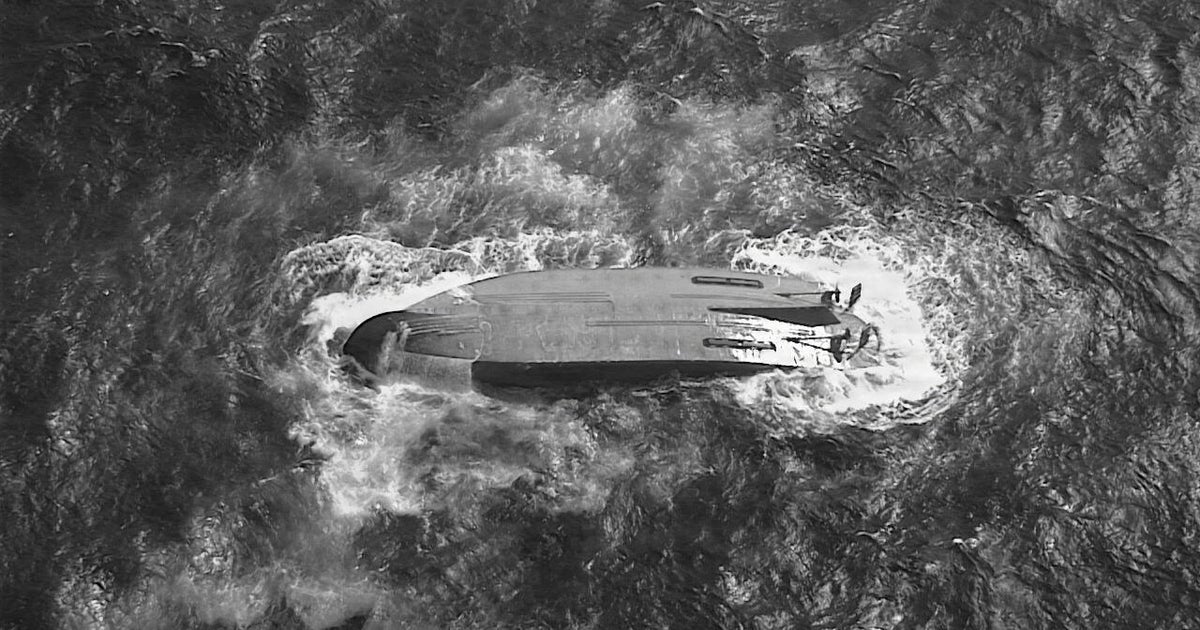
The power of Super Typhoon Sinlaku cannot be overstated—this was a storm of extraordinary and destructive force that tested both human engineering and the limits of maritime safety. When Sinlaku struck the islands of Tinian and Saipan, it carried sustained winds of up to 150 miles per hour, placing it firmly in the strong Category 4 classification on the hurricane scale. To put this in perspective, winds of this magnitude can tear roofs off buildings, uproot large trees, and create ocean waves capable of overwhelming even sturdy vessels. Before making landfall, the typhoon’s maximum sustained winds had stabilized at a staggering 175 mph, earning it the distinction of being the strongest storm to develop in 2026. According to CBS News meteorologist Nikki Nolan, Sinlaku exceeded the intensity of typhoons Narelle and Dudzai, which had respectively peaked at 149 and 147 mph earlier in the year. These heavy winds initially hindered search efforts, as it was simply too dangerous for rescue aircraft and vessels to operate in the immediate aftermath of the storm. However, as conditions gradually improved, the overturned hull of the Mariana was finally spotted on Saturday, approximately 40 miles northeast of Pagan, one of the islands comprising the Northern Marianas, a U.S. territory. The discovery revealed that the vessel had drifted 26 nautical miles northeast from its last known position, carried by powerful ocean currents in the storm’s wake.
Clues in the Debris Field
As the search expanded and weather conditions permitted more thorough investigation of the area, rescue teams began discovering debris that painted a troubling picture of the Mariana’s final moments. On Monday, the U.S. Coast Guard reported that searchers had spotted a partially submerged inflatable life raft approximately 110 miles from the overturned ship’s location. This discovery raised both hopes and concerns—hopes because it suggested crew members may have attempted to abandon ship and could potentially be found nearby, and concerns because the raft’s condition and distance from the vessel indicated the crew may have been scattered across a wide area by the storm. The presence of debris spread over such distances complicates search efforts significantly, requiring rescue teams to expand their search patterns and consider various scenarios for where survivors might be found. Each piece of debris discovered provides valuable information to search coordinators, helping them refine their search areas and make educated decisions about where to concentrate resources for the best chance of locating the missing sailors.
A Community United in Hope and Grief
The impact of this disaster extends far beyond the immediate families of the missing crew members, touching entire communities connected to the maritime industry and the islands affected by the typhoon. The Northern Mariana Islands themselves suffered significant damage from Super Typhoon Sinlaku, with the powerful winds causing extensive property damage and flooding throughout the territory. Cleanup crews have been working tirelessly in challenging conditions to clear debris and restore normalcy to the islands, as documented in social media videos posted by the mayor’s office showing workers battling blustery winds on Saipan. The dual tragedy—both the natural disaster that struck the islands and the loss of the Mariana and its crew—has created a shared sense of grief and determination throughout the region. As rescue operations continue, the maritime community worldwide watches and hopes for a miracle, while also preparing to support the families of the victims through this unimaginably difficult time. The courage of the international rescue teams who continue searching despite the odds demonstrates the unwritten code of the sea: no sailor is left behind without every possible effort being made to bring them home. While one crew member has been recovered, bringing some measure of closure to one family, five more remain missing, and the search continues with unwavering dedication and hope that somehow, against all odds, survivors might still be found.