
Oil Markets and Global Tensions: A Delicate Balance in the Wake of U.S.-Iran Ceasefire Extension
Energy Prices Continue Their Upward March
The global energy markets found themselves in a state of cautious uncertainty on Wednesday as oil prices climbed higher, reflecting the ongoing tensions in the Middle East. Despite President Trump’s announcement of an extended ceasefire with Iran, the commodity markets remained jittery, with Brent Crude approaching the psychologically significant $100 per barrel mark while West Texas Intermediate pushed back above $90. This upward pressure on oil prices comes at a time when the world economy is already grappling with various challenges, and the added burden of expensive energy threatens to complicate recovery efforts across multiple sectors. The situation has created a complex web of economic consequences that extend far beyond just the price at the pump, affecting everything from manufacturing costs to consumer spending power and overall economic growth prospects.
Mixed Signals Across Global Stock Markets
While oil markets showed a relatively clear direction, stock markets around the world painted a more complicated picture, reflecting the uncertainty that investors feel about the current geopolitical situation. Asian equities experienced a particularly mixed trading session, with some markets moving up while others declined, as investors tried to read the tea leaves regarding what might happen next between the United States and Iran. The uncertainty wasn’t confined to Asia either – European stock prices dipped slightly as traders there processed the same conflicting signals about whether the ceasefire extension represented genuine progress toward peace or simply a temporary pause in escalating tensions. However, there were some bright spots in the futures markets, with S&P 500 futures rising 0.5% and Nasdaq futures gaining an even more robust 0.7% ahead of Wednesday’s trading session in the United States, suggesting that at least some investors were betting on a positive resolution to the crisis.
The Ceasefire That Hasn’t Calmed Anyone Down
Despite the Trump administration’s decision to extend the ceasefire unilaterally to provide more time for peace negotiations, the move hasn’t had the calming effect on markets that one might expect from such a diplomatic gesture. Susannah Streeter, who serves as chief investment strategist at the Wealth Club, captured the prevailing mood perfectly when she observed that “the ceasefire extension hasn’t done much to calm nerves given that worries remain about the impact of the energy squeeze on the global economy.” Her assessment highlights a crucial reality: markets are forward-looking, and traders are concerned not just about today’s ceasefire but about the long-term stability of energy supplies from one of the world’s most critical regions. The fact that the ceasefire was announced unilaterally by the United States, rather than as part of a mutual agreement with Iran, added to the skepticism about whether it would hold or lead to meaningful progress toward a lasting peace.
The Strategic Chokepoint Remains Uncertain
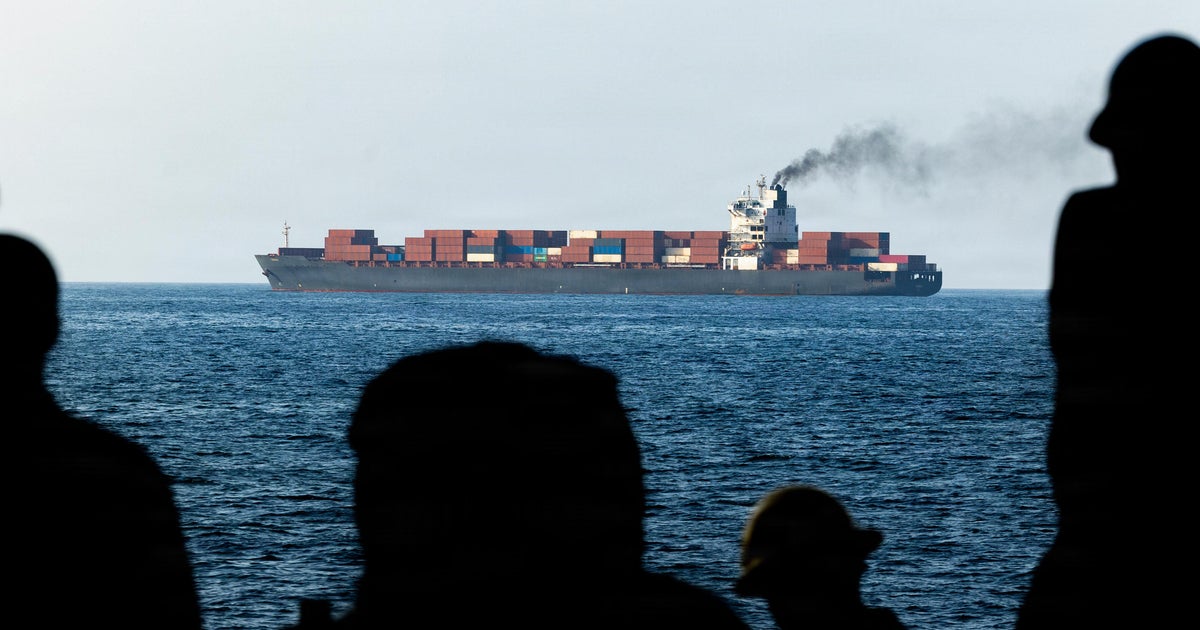
Adding to the market’s unease is the situation in the Strait of Hormuz, the narrow waterway through which a substantial portion of the world’s oil supply must pass. Even after President Trump’s ceasefire announcement, Iranian gunboats attacked several commercial ships in the strait on Wednesday, demonstrating that the situation on the ground remains volatile and unpredictable. Susannah Streeter noted that “shipments from the Middle East are in limbo and a resolution to the conflict remains elusive,” which perfectly encapsulates why traders remain nervous despite diplomatic overtures. The Strait of Hormuz isn’t just any shipping lane – it’s one of the world’s most strategic chokepoints, and any disruption there has immediate ripple effects throughout the global energy market. The attacks on commercial vessels, coming so soon after the ceasefire extension, raised serious questions about Iran’s intentions and whether both sides are truly committed to de-escalation or simply positioning themselves for the next round of confrontation.
A High-Stakes Game of Diplomatic Chicken
Market analysts are increasingly viewing the current situation as a complex strategic dance between two powers trying to gain the upper hand before serious negotiations begin. Christopher Wong, a strategist at Oversea-Chinese Banking Corp., offered insight into this dynamic when he suggested that “the US and Iran may be trying to shore up leverage and playing a game of who blinks first.” This perspective helps explain some of the contradictory signals coming from the region – the simultaneous extension of ceasefires and attacks on shipping, the tough talk combined with diplomatic overtures. Both sides appear to be operating under the assumption that showing strength now will give them a better negotiating position later, but this approach carries significant risks. Wong’s observation that “whatever the outcome, the suspense in the interim may see risk appetite being curtailed” speaks to a fundamental reality of market psychology: uncertainty is often worse than bad news because it makes planning and strategic decision-making nearly impossible for businesses and investors alike.
Broader Economic Implications and Future Outlook
The current situation has implications that extend far beyond the immediate question of oil prices or stock market performance. The “energy squeeze” that Streeter referenced threatens to act as a brake on global economic activity at a time when many economies are still working to establish stable growth patterns. Higher energy costs flow through to virtually every sector of the economy, increasing transportation costs, raising manufacturing expenses, and ultimately showing up in higher prices for consumers. This inflationary pressure complicates the job of central banks around the world who are trying to balance supporting economic growth while keeping inflation under control. Market participants are broadly operating under the assumption that both President Trump and Iranian authorities want to find a way to end this conflict, given the economic pain it’s causing to all parties involved, but wanting peace and achieving it are two different things. The path from the current state of extended ceasefire to genuine, lasting peace remains unclear, and until that path becomes more visible, markets are likely to remain in this state of nervous uncertainty, with oil prices elevated and stock markets struggling to find clear direction. The coming days and weeks will be crucial in determining whether this ceasefire extension represents a genuine turning point toward de-escalation or simply a temporary pause in an ongoing confrontation that could have serious consequences for the global economy.