



The Mystery of Satoshi: A New Documentary Promises the Most Thoughtful Investigation Yet
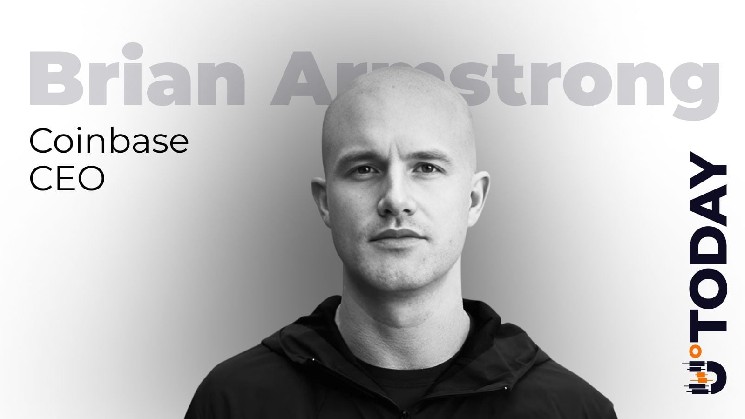
The enigma of Bitcoin’s creator has captivated the world since the cryptocurrency’s inception in 2009. Now, a new documentary is claiming to offer the most comprehensive and thoughtful examination of Satoshi Nakamoto’s identity to date, earning praise from one of crypto’s most influential figures. Brian Armstrong, CEO of Coinbase—America’s largest cryptocurrency exchange—has publicly endorsed the film, describing it as the most considered approach yet to unraveling one of technology’s greatest mysteries. This endorsement carries significant weight in an industry where Armstrong has been a central figure for over a decade, suggesting that this documentary might offer something genuinely different from the numerous previous attempts to identify Bitcoin’s pseudonymous founder.
Four Years in the Making: A Serious Investigation
The 101-minute documentary represents far more than just another speculative piece about cryptocurrency’s origins. It’s the product of an exhaustive four-year investigation conducted by two highly credentialed professionals: William D. Cohan, a New York Times bestselling investigative journalist known for his meticulous research and compelling storytelling, and Tyler Maroney, an experienced private investigator who brings real-world detective skills to the digital mystery. This combination of journalistic rigor and investigative methodology sets the film apart from previous attempts that often relied heavily on circumstantial evidence or cryptographic analysis alone. The documentary is being described as part investigative thriller and part human portrait, suggesting that it doesn’t just focus on the technical clues but also examines the human elements—the motivations, circumstances, and personality traits that might reveal who Satoshi really was or is.
The film premieres this Wednesday, and Coinbase has given its users exclusive early access through the exchange’s mobile app, a move that underscores Armstrong’s confidence in the documentary’s quality and relevance to the crypto community. This strategy also demonstrates how cryptocurrency platforms are increasingly becoming distribution channels for content that matters to their user base, blurring the lines between financial services and media platforms. Investment manager Ross Gerber has also praised the documentary, calling it “very well done” and describing it as an “in-depth look” that crypto enthusiasts will appreciate, adding further credibility to the film’s approach and conclusions.
An All-Star Cast of Crypto Luminaries
What truly distinguishes this documentary from previous investigations is the caliber of individuals who agreed to participate. The filmmakers secured interviews with an impressive roster of cryptocurrency and blockchain industry heavyweights, each bringing unique perspectives on Bitcoin’s origins and potential creator. Michael Saylor, the CEO of MicroStrategy who has transformed his company into one of the largest corporate holders of Bitcoin, offers insights from someone who has bet his company’s future on the cryptocurrency. Joseph Lubin, co-founder of Ethereum and founder of ConsenSys, provides perspective from someone who helped create the second-most significant blockchain platform, understanding both Bitcoin’s innovations and limitations.
Fred Ehrsam, co-founder of Coinbase alongside Brian Armstrong, represents the exchange’s early days when Bitcoin was still viewed with skepticism by mainstream finance. Brian Brooks, former Acting Comptroller of the Currency and former CEO of Binance.US, brings regulatory and institutional perspectives that are crucial to understanding Bitcoin’s evolution from fringe technology to mainstream financial asset. The documentary also features former SEC Chair Gary Gensler, whose views on cryptocurrency regulation have significantly shaped the industry’s development in the United States. His inclusion is particularly noteworthy given his complex relationship with the crypto community—respected for his knowledge but often criticized for his regulatory approach.
Additionally, the film includes prominent journalist Kara Swisher, known for her incisive technology reporting and interviewing style, Katie Haun, CEO of Haun Ventures and former federal prosecutor who specialized in fraud and cybercrime, and Jameson Lopp, a respected Bitcoin security engineer known for his technical expertise and commitment to cryptocurrency’s foundational principles. This diverse group represents different eras, philosophies, and areas of expertise within the blockchain ecosystem, suggesting the documentary takes a comprehensive, multi-faceted approach to its investigation rather than pursuing a single narrative thread.
The Ongoing Obsession with Unmasking Satoshi
The media’s fascination with identifying Satoshi Nakamoto has produced numerous theories, investigations, and accusations over the years, creating what can only be described as a crowded field of Satoshi speculation. This obsession isn’t merely about satisfying curiosity—it touches on fundamental questions about authority, decentralization, and the nature of innovation itself. Who was brilliant enough to solve the double-spending problem that had stumped cryptographers for decades? Who possessed the combination of skills in cryptography, economics, computer science, and game theory necessary to design Bitcoin’s elegant protocol? And perhaps most intriguingly, who had the discipline and conviction to walk away from a creation now worth hundreds of billions of dollars?
Recent years have seen several high-profile attempts to unmask Satoshi, each generating significant media attention and community debate. A recent HBO documentary took a controversial approach by pointing the finger at Peter Todd, an early Bitcoin core developer and respected cryptographer. The accusation was met with widespread skepticism in the crypto community, with many viewing the evidence as circumstantial at best and the methodology as flawed. Todd himself denied the claim, and the documentary was criticized for potentially putting an innocent person in danger, given that Satoshi’s Bitcoin holdings are estimated to be worth tens of billions of dollars—making the real Satoshi an obvious target for criminals.
More recently, journalist John Carreyrou—famous for exposing the Theranos fraud—stated with “99% confidence” that Adam Back, a British cryptography pioneer and current CEO of Blockstream, is Satoshi Nakamoto. Back’s credentials are certainly impressive: he invented Hashcash, a proof-of-work system that directly inspired Bitcoin’s mining mechanism, and he was cited in Satoshi’s original whitepaper. However, Back has vehemently denied being Bitcoin’s creator, though he has suggested that Satoshi might indeed be British, based on linguistic analysis of Satoshi’s writings and the timestamps of forum posts and emails. Each of these investigations has added pieces to the puzzle while also demonstrating how difficult it is to definitively prove someone’s identity when that person took extraordinary measures to remain anonymous.
The Case for Keeping Satoshi’s Identity Hidden
While the hunt for Satoshi continues to generate headlines and documentaries, a significant portion of the cryptocurrency community believes that Satoshi’s identity should remain hidden and that the community has a responsibility to protect this anonymity. This perspective isn’t about being anti-curiosity or dismissive of historical investigation—it’s rooted in practical, philosophical, and safety concerns that go to the heart of what Bitcoin represents. From a practical standpoint, revealing Satoshi’s identity could create an authority figure in a system specifically designed to function without central authority. Bitcoin’s strength lies partly in the fact that no single person can claim ownership or dictate its future direction. If Satoshi were identified and chose to speak publicly about Bitcoin’s development, their words would carry enormous weight, potentially undermining the decentralized governance that has allowed Bitcoin to evolve organically.
There are also serious safety concerns. Satoshi is estimated to control approximately one million Bitcoin, currently worth tens of billions of dollars. Revealing their identity would make them one of the wealthiest people on earth and an obvious target for criminals, kidnappers, and extortionists. The cryptocurrency space has already seen numerous instances of “wrench attacks”—physical violence used to steal digital assets—and these concerns aren’t theoretical. Several wealthy cryptocurrency holders have been targeted, and in some cases seriously harmed or killed. By remaining anonymous, Satoshi avoids not only personal danger but also the burden of managing enormous wealth and the public scrutiny that would inevitably follow.
Philosophically, Satoshi’s anonymity represents something profound about Bitcoin itself. The creator’s decision to disappear was the ultimate act of decentralization—removing themselves from the equation so that Bitcoin could become what its users made of it rather than what its creator intended. This is fundamentally different from every other technological innovation, where founders typically become billionaires, celebrities, and ongoing authorities on their creations. Satoshi’s absence has allowed Bitcoin to become a truly ownerless, leaderless protocol that belongs to everyone and no one simultaneously. This new documentary may offer compelling evidence about Satoshi’s identity, but the crypto community remains divided on whether uncovering this secret would be a triumph of investigative journalism or a violation of something that should remain sacred.
What Makes This Documentary Different
Given the numerous previous attempts to identify Satoshi, what makes this particular documentary worthy of attention and endorsement from figures like Brian Armstrong? The answer likely lies in its methodology and approach. Rather than focusing solely on cryptographic breadcrumbs or making sensational accusations based on limited evidence, this film appears to take a more holistic approach, combining investigative journalism, detective work, and interviews with people who understand Bitcoin’s technical, economic, and social dimensions. The four-year timeframe suggests thoroughness rather than rushing to conclusions to meet a release deadline, and the involvement of a bestselling investigative journalist known for rigorous research standards adds credibility.
The description of the film as “part investigative thriller and part human portrait” is particularly revealing. Previous investigations have often treated Satoshi as a puzzle to be solved through technical analysis—examining code commits, writing styles, timezone patterns, and cryptographic signatures. While these approaches have merit, they can miss the human element: Who would have had both the capability and the motivation to create Bitcoin? What life circumstances would have provided the time, resources, and inspiration for such an ambitious project? What personality traits would drive someone to create something revolutionary and then deliberately walk away from fame and fortune? By combining the thriller aspect—the hunt for clues and the gradual narrowing of possibilities—with a human portrait that considers psychological, biographical, and motivational factors, this documentary may offer a more complete picture than previous attempts. Whether it definitively identifies Satoshi or simply presents the most compelling case yet remains to be seen, but the endorsements from knowledgeable insiders suggest it’s worthy of serious attention from anyone interested in cryptocurrency’s origins and the mystery at its heart.