
Escalating Tensions: Ship Attacks in Strait of Hormuz Threaten U.S.-Iran Peace Talks
Multiple Vessels Come Under Fire in Strategic Waterway
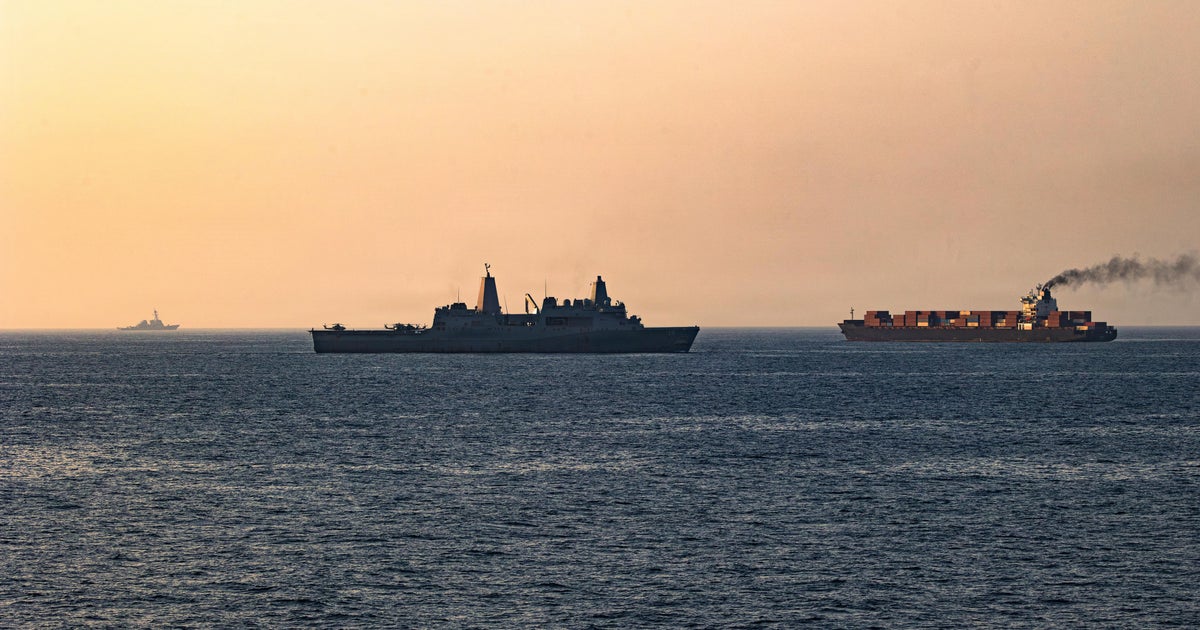
The fragile peace between the United States and Iran faced a serious threat this week when at least two commercial ships came under attack in the strategically vital Strait of Hormuz. According to British military sources, the incidents involved a cargo ship and a container ship, raising alarm bells about the stability of ongoing peace negotiations between Washington and Tehran. The U.K. Maritime Trade Operations Centre, which monitors shipping security in the region, reported that early Wednesday morning, an Iranian Revolutionary Guard Corps gunboat opened fire on a container ship approximately 15 nautical miles northeast of Oman. What made this attack particularly concerning was the absence of any radio warning before the gunboat engaged the vessel. The assault caused significant damage to the ship’s bridge, though thankfully all crew members were reported safe. Just three hours after this first incident, the UKMTO received reports of a second attack, this time occurring 8 nautical miles west of Iran. A cargo ship reported coming under fire and subsequently stopped in the water. Again, crew members were confirmed safe and accounted for, though authorities did not immediately identify who was responsible for this second attack.
Identifying the Targeted Vessels
Ship-tracking data helped piece together which vessels were likely involved in these alarming incidents. According to MarineTraffic, a website that monitors maritime movements worldwide, two container ships were shown stopped off the Iranian coast near the Strait of Hormuz early Wednesday morning. These were identified as the Panama-flagged MSC Francesca and the Greek-operated Epaminondas. Both ships had been broadcasting their positions while navigating through the Persian Gulf before the attacks occurred. Sources speaking with the Financial Times confirmed that these were indeed the two vessels that had come under fire. Despite multiple attempts to reach the companies that own these ships, neither responded to requests for comment about the condition of their crews or vessels. Adding to the confusion and concern, both BBC News and Reuters reported that a third ship may have also been struck by gunfire in the strait on Wednesday, though the UKMTO did not officially confirm these additional reports. The lack of clarity surrounding the full scope of the attacks only heightened anxieties about the safety of one of the world’s most important shipping lanes, through which roughly a fifth of the world’s oil supply passes.
Trump Extends Ceasefire Hours Before Attacks
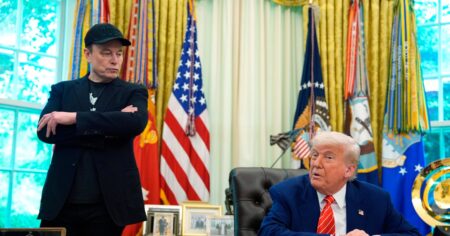
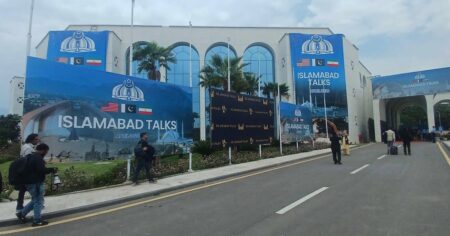
The timing of these attacks proved particularly significant because they occurred just after President Trump announced an extension to the fragile ceasefire between the United States and Iran. The president made his announcement on Tuesday, just hours before the original ceasefire deadline was set to expire. Trump explained that he agreed to the extension following a request from Pakistan, which had hosted the first round of peace talks between the two nations. In his statement, the president placed blame on what he called Iran’s “seriously fractured” government for the delays in reaching a comprehensive agreement. Trump indicated he was giving Tehran additional time to “come up with a unified proposal,” suggesting that internal divisions within the Iranian leadership were complicating negotiations. “I have therefore directed our Military to continue the Blockade and, in all other respects, remain ready and able, and will therefore extend the Ceasefire until such time as their proposal is submitted, and discussions are concluded, one way or the other,” Trump posted on his Truth Social platform Tuesday afternoon. This statement made clear that while the president was willing to give diplomacy more time, U.S. military forces would maintain their blockade of Iranian ports and remain on high alert throughout the extended ceasefire period.
Iranian Officials Reject Ceasefire Extension
The Iranian response to President Trump’s ceasefire extension revealed deep divisions and mistrust between the two nations. Iran’s semi-official news agency Tasnim reported on Tuesday that Iran had not actually requested any extension of the ceasefire, contradicting the narrative presented by the Trump administration. This discrepancy raised questions about whether the two sides were truly working toward a common understanding. More concerning were the comments from Mahdi Mohammadi, a senior adviser to Iran’s parliament speaker, who took to social media platform X (formerly Twitter) to express his government’s position. Mohammodi dismissed the ceasefire extension as meaningless, arguing that the continuation of what he called the “siege” was “no different from bombardment and must be met with a military response.” His words suggested that significant elements within the Iranian government viewed the U.S. naval blockade as an act of war regardless of any ceasefire declaration. Perhaps most alarmingly, Mohammodi characterized President Trump’s ceasefire extension as “certainly a ploy to buy time for a surprise strike,” indicating a profound lack of trust in American intentions. This rhetoric suggested that Iranian leadership believed the U.S. might be using the peace talks as cover for military preparations, making genuine diplomatic progress extremely difficult.
Recent U.S. Military Actions Against Iranian Shipping
Wednesday’s attacks on commercial vessels didn’t occur in a vacuum but rather came against a backdrop of escalating U.S. military actions against Iranian shipping interests. Over the preceding weekend, American forces had fired upon and seized an Iranian container ship, marking a significant escalation in enforcement of the naval blockade. Additionally, U.S. forces boarded an oil tanker in the Indian Ocean that was linked to Iran’s oil trade, demonstrating the reach and determination of American efforts to pressure Tehran economically. These aggressive U.S. actions, while framed as enforcement of the blockade and ceasefire terms, were clearly viewed by Iran as provocations that threatened the peace process. The seizure of ships and boarding operations sent a message about American resolve but simultaneously risked provoking exactly the kind of retaliation that may have manifested in Wednesday’s attacks in the Strait of Hormuz. The cycle of action and reaction illustrated how difficult it would be to de-escalate tensions even with a nominal ceasefire in place, as both sides continued operations that the other viewed as hostile.
Implications for Regional Security and Global Commerce
The attacks in the Strait of Hormuz carry implications that extend far beyond the immediate danger to the ships and crews involved. This narrow waterway serves as one of the world’s most critical shipping chokepoints, with roughly 21 million barrels of oil passing through it daily under normal circumstances. Any sustained threat to shipping in this area could send global oil prices soaring and disrupt supply chains worldwide, affecting economies from Asia to Europe to North America. The fact that these attacks occurred despite an active ceasefire and ongoing peace talks demonstrates just how precarious the situation remains. Even with both nations nominally committed to finding a diplomatic solution, the level of mistrust, the presence of hardliners on both sides, and the ongoing military operations create an environment where miscalculation or unauthorized actions could easily spiral into broader conflict. For the international shipping community, these incidents serve as a stark reminder of the risks inherent in transiting this vital waterway during periods of heightened tension. The safety of civilian mariners, who continue to move the goods that fuel global commerce, remains caught in the middle of this geopolitical confrontation. As peace talks continue, the world watches nervously to see whether diplomacy can prevail or whether these latest attacks signal the beginning of a more serious escalation in the U.S.-Iran standoff.