

Pi Network’s Path to Mainstream: The Binance Dilemma and What It Means for Investors
The Listing That Sparked a Thousand Questions
The cryptocurrency community never sleeps, and nowhere is this more evident than within the passionate Pi Network fanbase. This past week, the rumor mill kicked into overdrive following an eye-opening development that has reignited the long-standing debate about Pi’s future. A relatively unknown token called SIREN achieved something remarkable – it rocketed past a $1.2 billion market cap almost immediately after being listed on Binance-linked platforms, according to data from CoinGecko. This single event was like throwing gasoline on a fire that’s been smoldering for years. Within hours, Pi community members were doing what comes naturally to them: drawing connections, making comparisons, and circling back to the question that has haunted them for the better part of two years – why on earth hasn’t Binance listed Pi Network yet?
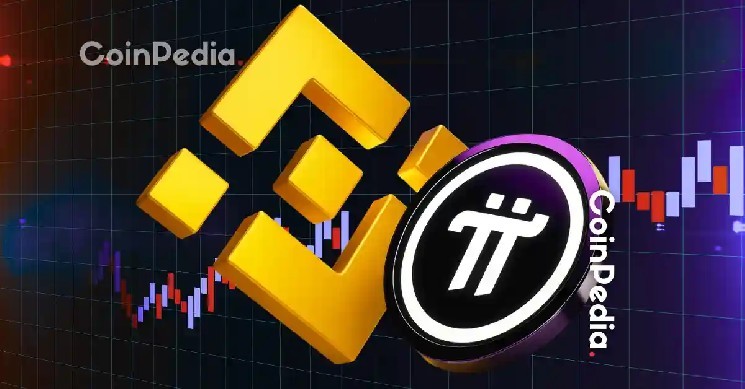
It’s a legitimate question that deserves serious consideration. PiNews360, one of the most influential voices in the Pi community, put it into perspective recently. Pi Network boasts tens of millions of users scattered across virtually every corner of the globe. Its ecosystem continues to expand, migration numbers keep climbing, and real-world utility projects are being developed. From this viewpoint, Pi has simply grown too large and too liquid for the world’s largest cryptocurrency exchange to continue ignoring. The narrative has shifted from “if” to “when,” and the community’s patience, while still present, is wearing thinner by the day. What makes this situation particularly interesting is that Pi is no longer stuck in the shadows of the broader crypto market. The token has secured listings on several major platforms including OKX, Bitget, MEXC, Gate.io, Bybit, and HTX. Most recently, Kraken quietly introduced PI perpetual futures to its offerings, further legitimizing the project in the eyes of traditional crypto traders.
The Poll That Promised So Much
Looking back helps us understand why expectations remain so high. Nearly a year ago, Pi Network achieved something that should have been a game-changer – it secured approximately 86% support in a Binance community poll. This wasn’t a close call or a marginal victory; it was an overwhelming mandate from retail investors who wanted to see Pi listed on the world’s premier cryptocurrency exchange. In the crypto world, where community sentiment can make or break projects overnight, an 86% approval rating is the kind of number most tokens can only dream about achieving. This strong backing signaled clear retail demand and suggested that a listing announcement might be just around the corner.
Yet here we are, months later, and Binance still hasn’t taken that crucial next step. The delay has become a source of frustration, speculation, and endless debate within the community. Rather than expectations fading as time passes, they’ve actually intensified. The wait-and-watch mode that the community has been forced into has created an environment where every piece of news, every social media post, and every market movement gets analyzed for potential clues about when – or if – Binance will finally pull the trigger. Some community members have begun questioning whether there are behind-the-scenes regulatory concerns, technical issues with Pi’s blockchain structure, or simply a lack of interest from Binance’s listing team. Others maintain faith that Binance is merely waiting for the right moment, perhaps when Pi’s mainnet fully matures or when certain technical milestones are achieved.
The Price Reality Check Nobody Wants to Hear
While excitement and speculation continue to build around potential exchange listings, Pi’s actual price performance tells a much more sobering story. The harsh reality is that the token is currently trading near the $0.19 mark, a figure that represents dramatic stabilization after a period of significant volatility and a steep decline from its earlier highs, which came close to $3. For investors who entered at or near those peak levels, the current price represents a loss of more than 90% – the kind of drawdown that tests even the most devoted believers. With a market cap hovering around $1.84 billion and a circulating supply of 9.81 billion tokens, Pi has struggled mightily to maintain any consistent upward momentum.
Daily trading volumes remain relatively modest compared to other tokens with similar market capitalizations, and recent price movements suggest something that bulls don’t want to acknowledge: consolidation rather than preparation for a breakout. Technical analysis shows Pi trading in a relatively tight range with no clear directional bias. The lack of explosive price action, despite growing exchange availability and increasing ecosystem development, raises important questions about what actually drives cryptocurrency valuations. Is it technology and utility, as the idealists claim? Or is it simply speculation, hype, and exchange accessibility, as the cynics suggest? Pi’s current situation suggests the answer might be more complex than either camp would like to admit. The token has achieved significant technical milestones, maintained a massive global user base, and secured listings on multiple reputable exchanges – yet the price remains stubbornly stuck near multi-month lows.
A Community at a Crossroads
Perhaps the most fascinating aspect of the current Pi Network situation is the growing divide within its own community about what actually matters for the project’s long-term success. On one side of this debate are those who genuinely believe that a Binance listing would serve as a major catalyst, potentially triggering a strong price surge and dramatically wider adoption. Their reasoning is straightforward and difficult to dismiss entirely: Binance is the largest cryptocurrency exchange in the world by trading volume, and a listing there would expose Pi to millions of potential new investors who currently don’t have easy access to the token. The sudden influx of capital and trading activity could create the momentum needed to break Pi out of its current consolidation pattern and push it toward new highs.
On the other side are community members who take a fundamentally different philosophical stance. These individuals argue that Pi’s true value will ultimately come from its internal ecosystem rather than from reliance on centralized exchanges. They point to Pi’s unique approach to cryptocurrency – focusing on mobile mining, user-friendliness, and real-world utility applications rather than pure speculation. From this perspective, obsessing over a Binance listing is missing the forest for the trees. What really matters, they argue, is whether developers continue building applications on Pi’s blockchain, whether merchants adopt it for payments, and whether the ecosystem creates genuine utility that gives people reasons to acquire and hold Pi beyond simple price speculation. This camp sees the current price weakness not as a failure but as a natural consolidation phase during which the network is building the foundation for sustainable long-term growth. They believe that when Pi eventually does experience its next major price movement, it will be driven by ecosystem fundamentals rather than exchange-listing speculation.
What History Teaches Us About Exchange Listings
To understand what might happen if and when Binance does list Pi Network, it’s worth examining historical precedents from other cryptocurrency projects. Exchange listings, particularly on major platforms like Binance, have historically produced mixed results that don’t always match community expectations. Some tokens have experienced explosive growth following major exchange listings – the SIREN example that sparked the current discussion is a perfect case in point. However, many others have seen brief price spikes followed by equally dramatic selloffs as early investors take profits and the initial excitement fades. The “buy the rumor, sell the news” phenomenon is well-established in cryptocurrency markets.
What determines whether an exchange listing leads to sustained growth or merely a temporary pump? Research and historical data suggest several factors matter more than the listing itself: the overall state of cryptocurrency markets at the time of listing, the token’s existing liquidity and holder distribution, the strength of the project’s fundamentals and development roadmap, and whether the listing is accompanied by other positive catalysts or stands alone. For Pi Network specifically, a Binance listing at this stage would arrive after the token is already available on numerous other major exchanges, which might diminish its impact compared to if it had been one of Pi’s first major exchange debuts. Additionally, the current broader cryptocurrency market conditions, regulatory environment, and Pi’s specific technical and adoption metrics would all play crucial roles in determining the actual outcome of a listing.
Looking Ahead: What Really Matters for Pi’s Future
As we look toward the future of Pi Network, it’s important to step back from the day-to-day speculation about exchange listings and price movements to consider what actually matters for the project’s long-term viability and success. The fundamental question isn’t whether Binance lists Pi next month, next quarter, or next year – it’s whether Pi Network can deliver on its ambitious promise to create a truly accessible, user-friendly cryptocurrency ecosystem that brings blockchain technology to mainstream users who have never owned crypto before. That mission requires continued development of the Pi blockchain infrastructure, growth in the number and quality of applications being built on the platform, expansion of real-world merchant adoption and payment use cases, and maintaining the engaged global community that has been Pi’s greatest strength since its inception.
The current moment represents a critical juncture for Pi Network. The project has successfully navigated from the enclosed mainnet to the open mainnet phase, secured listings on multiple major exchanges, maintained a massive user base, and begun building out its ecosystem of applications and services. These are significant achievements that shouldn’t be dismissed. However, the relatively weak price performance despite these accomplishments suggests that the market remains skeptical about Pi’s long-term value proposition. Whether that skepticism is justified or represents a massive opportunity for forward-thinking investors remains one of the most interesting open questions in cryptocurrency today. What seems clear is that Pi’s fate won’t be determined by any single exchange listing, but rather by the project’s ability to execute on its roadmap, deliver genuine utility to users, and prove that its unique approach to cryptocurrency distribution and adoption can succeed in a market dominated by speculation and trading rather than real-world use. The coming months will be telling as Pi continues its journey from experimental project to potentially mainstream cryptocurrency platform.