
Trump and Putin Discuss Potential Ceasefire in Ukraine Following Wednesday Call
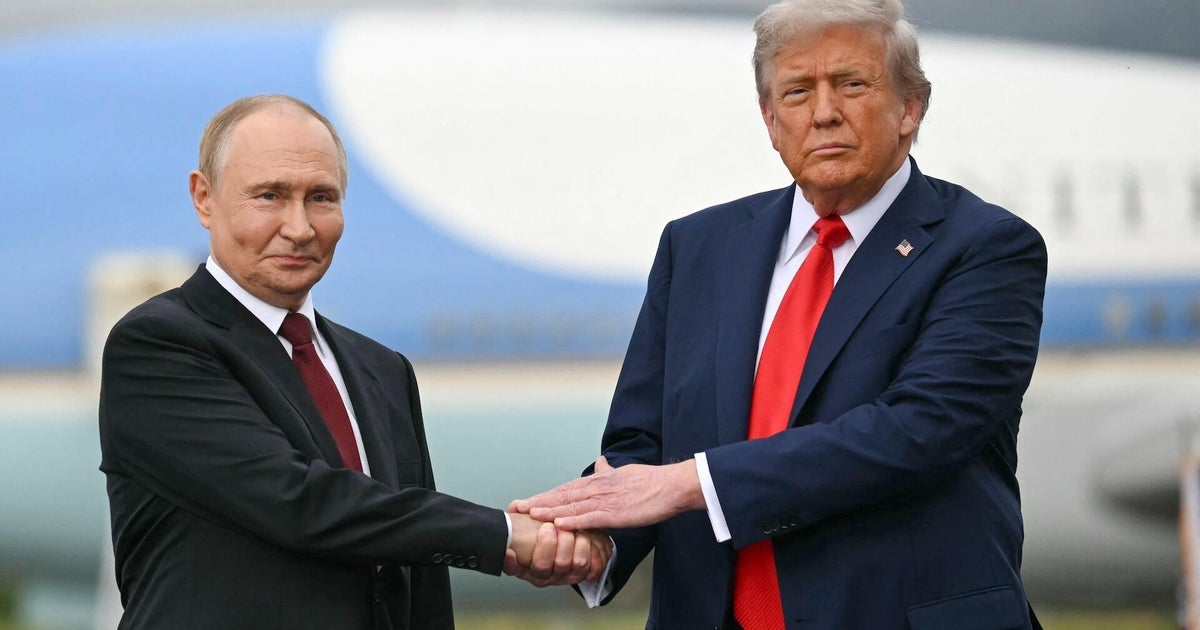
In a significant diplomatic development, President Donald Trump revealed Wednesday that he had engaged in extensive discussions with Russian President Vladimir Putin about implementing a temporary ceasefire in Ukraine. Speaking to reporters from the Oval Office while surrounded by astronauts from the Artemis II mission, Trump expressed cautious optimism that Putin might actually follow through on his suggestion. The conversation, which Russian state media reported lasted over 90 minutes, touched on multiple geopolitical flashpoints, including the ongoing conflict in Ukraine and rising tensions with Iran. According to the Russian news agency TASS, Putin indicated his willingness to declare a ceasefire specifically timed for Victory Day, a deeply symbolic Russian holiday observed on May 9th that commemorates the Soviet Union’s triumph over Nazi Germany in World War II. This holiday holds tremendous cultural and historical significance for Russia, making any ceasefire announcement on that date particularly meaningful.
The President’s Perspective on Parallel Conflicts
During his remarks to the press, President Trump offered an intriguing perspective on how the Ukraine conflict might relate to America’s current standoff with Iran. When questioned about which conflict might reach resolution first, Trump suggested that both situations could potentially follow a “similar timetable,” though he admitted uncertainty about the outcome. This comparison is particularly noteworthy given that Russia’s full-scale invasion of Ukraine began more than four years ago, while the confrontation with Iran has escalated more recently. The president’s linking of these two separate conflicts suggests his administration may be viewing them as interconnected pieces of a broader geopolitical puzzle. Trump’s comment that he doesn’t know which war would end first, followed by speculation about their possibly synchronized timelines, reveals both the complexity of the situation and perhaps an emerging strategic framework for addressing multiple international crises simultaneously. His description of the question as “interesting” suggests he’s actively contemplating how resolutions in one theater might influence or enable progress in another.
Putin’s Reported Willingness and Past Negotiation Attempts
According to President Trump’s account of the conversation, Vladimir Putin expressed genuine interest in finding a resolution to the Ukrainian conflict. Trump told reporters that he believes Putin “would like to see a solution” and significantly claimed that the Russian leader “was ready to make a deal a while ago.” This assertion raises questions about previous negotiation opportunities that may have been missed or not fully pursued. For months now, the Trump administration has been actively encouraging both Russia and Ukraine to reach a negotiated settlement, though concrete progress has remained frustratingly elusive to outside observers. The president’s optimistic declaration that “I think we’re going to come up with a solution relatively quickly” stands in stark contrast to the years of entrenched conflict and the massive human and economic costs already incurred. However, Trump notably provided no specific details about how such a rapid resolution might be achieved or what timeline “relatively quickly” actually represents, leaving considerable room for interpretation about the realistic prospects for peace.
Iran’s Nuclear Program Enters the Discussion
An unexpected dimension of the Trump-Putin conversation involved Iran’s nuclear enrichment capabilities, adding another layer of complexity to the diplomatic equation. According to Trump, Putin volunteered Russia’s assistance in dealing with Iran’s enriched uranium stockpiles, a gesture that could have significant implications for regional security and nonproliferation efforts. The term “enrichment” in this context refers to the process of increasing the concentration of uranium-235, which at lower levels can fuel nuclear power plants but at higher concentrations can be used to create nuclear weapons. Iran’s expanding enrichment program has been a source of international concern for years, particularly after the United States withdrew from the Joint Comprehensive Plan of Action (the Iran nuclear deal) during Trump’s first term in office. Putin’s offer to assist with removing or managing Iran’s enriched uranium represents a potentially valuable bargaining chip, given Russia’s technical expertise and its existing relationship with Tehran. However, Trump’s response revealed his prioritization of issues, as he told Putin he’d prefer Russian focus remain on ending the Ukraine conflict rather than getting involved with the Iranian nuclear situation.
Strategic Priorities and Diplomatic Trade-offs
Trump’s decision to redirect Putin’s attention from Iran to Ukraine reveals important insights about his administration’s strategic thinking and diplomatic priorities. By telling Putin, “I’d much rather have you be involved with ending the war with Ukraine. To me, that would be more important,” the president signaled that resolving the European conflict takes precedence over addressing Middle Eastern nuclear concerns, at least in terms of where he wants Russian cooperation directed. This represents a calculated diplomatic trade-off—potentially foregoing Russian assistance on a serious nuclear proliferation issue in favor of pursuing peace in a conflict that has claimed hundreds of thousands of lives, displaced millions of people, and fundamentally reshaped European security architecture. The exchange also demonstrates Trump’s negotiating approach of trying to channel adversaries’ interests toward outcomes he considers more beneficial to American interests. Whether this strategy will prove effective remains to be seen, as Putin’s actual motivations and willingness to compromise on Ukraine are matters of considerable debate. The Russian leader has consistently maintained that his country’s security concerns regarding NATO expansion and Ukraine’s orientation toward the West are non-negotiable, making any genuine compromise difficult to envision.
The Road Ahead and Remaining Uncertainties
Despite President Trump’s optimistic tone about reaching a solution to the Ukraine conflict, substantial obstacles and uncertainties remain on the path to any meaningful ceasefire or lasting peace agreement. The suggestion that Putin might announce something related to a ceasefire, possibly timed to coincide with Victory Day on May 9th, offers a potential milestone to watch, but the details, scope, and enforceability of any such announcement remain completely unclear. A temporary ceasefire, while potentially saving lives in the short term, would not address the fundamental issues at the heart of the conflict—questions of territorial integrity, security guarantees, war crimes accountability, and the future relationship between Russia and the West. Ukraine’s government, led by President Volodymyr Zelenskyy, has repeatedly stated that any peace agreement must respect Ukrainian sovereignty and territorial integrity, positions that have thus far been incompatible with Russian demands. The Ukrainian people have endured years of war, occupation, and atrocities, making any settlement that doesn’t address their core concerns politically untenable for their leadership. Additionally, European allies and NATO partners will have significant input into any peace process, as they have provided crucial military, economic, and humanitarian support to Ukraine and have their own security interests at stake. As the world watches to see whether Putin follows through on any ceasefire announcement and whether Trump’s claimed progress toward a “solution” materializes into concrete diplomatic achievements, the human cost of the conflict continues to mount, giving urgency to even modest steps toward de-escalation.