
Hong Kong Issues Urgent Warning About Fraudulent Stablecoins Using Licensed Issuers’ Names
Growing Concerns Over Unauthorized Digital Tokens
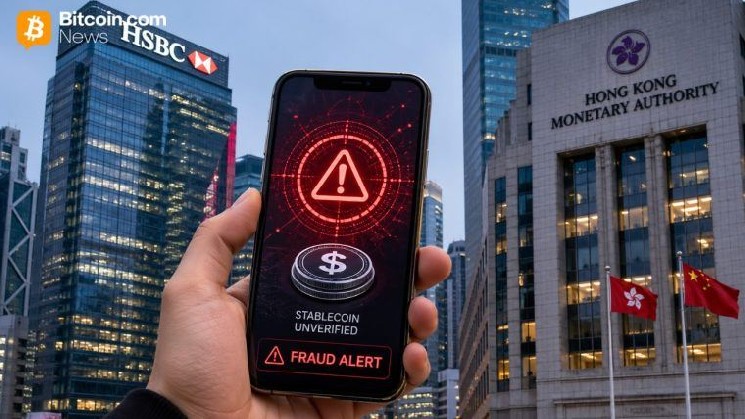
In a significant development highlighting the vulnerabilities in the emerging digital currency landscape, Hong Kong’s central banking authority has raised red flags about fraudulent tokens that are falsely claiming associations with legitimate financial institutions. On April 28, 2026, the Hong Kong Monetary Authority issued a stern warning to the public about unauthorized stablecoins circulating in the market that are inappropriately using the names of licensed stablecoin issuers, including the globally recognized HSBC bank. What makes this situation particularly concerning is that these fraudulent tokens are appearing even before any officially regulated stablecoins have actually been issued in Hong Kong’s market. This premature emergence of fake tokens represents a classic example of bad actors attempting to exploit public anticipation and trust in established financial brands to perpetrate fraud. The timing is especially problematic as it coincides with Hong Kong’s efforts to establish itself as a leading hub for regulated digital currency activity in Asia, making consumer protection and market integrity absolutely critical during this formative period.
Official Denials from HSBC and Licensed Issuers
The Hong Kong Monetary Authority’s warning specifically referenced statements from two key players in the legitimate stablecoin licensing framework: The Hongkong and Shanghai Banking Corporation (HSBC) Limited and Anchorpoint Financial Limited. Both institutions have categorically denied any connection to tokens currently circulating in the market, particularly those using tickers such as “HKDAP” and “HSBC.” The central bank made it abundantly clear that these tokens lack any backing or authorization from properly licensed firms, emphasizing that consumers should not assume any legitimacy simply because familiar banking names appear on these digital assets. The monetary authority’s statement was unambiguous: “Tokens with tickers ‘HKDAP’ or ‘HSBC’ have been launched, but they are not issued by or otherwise associated with licensed stablecoin issuers.” Furthermore, the authority reinforced a crucial fact that should serve as a protective warning to potential investors: “As of this moment, both licensed stablecoin issuers have confirmed that they have not issued any regulated stablecoins in the market.” This confirmation is particularly important because it establishes a clear baseline—if someone claims to be selling you an HSBC or Anchorpoint stablecoin right now, they are definitively attempting to defraud you.
HSBC’s Timeline and Official Launch Plans
HSBC took the additional step of providing the public with a detailed and transparent timeline regarding its actual stablecoin plans, which serves to highlight the significant gap between current reality and the fraudulent claims being made in the marketplace. In its official statement released on April 28, HSBC stated with absolute clarity: “HSBC has not yet issued any stablecoins in Hong Kong.” The bank then outlined its legitimate intentions, explaining that it plans to launch a Hong Kong dollar-denominated stablecoin during the second half of 2026, operating under the new license it was granted in April 2026. Importantly, HSBC specified exactly how its stablecoin will be made available to customers when it does eventually launch—exclusively through PayMe and the HSBC HK Mobile App. This level of specificity serves as an important benchmark that consumers can use to verify authenticity when the actual launch occurs. The bank promised that further updates would be provided through official channels as the launch date approaches. HSBC also issued a direct and forceful rejection of any association with currently circulating tokens, declaring: “HSBC has no connection to any fraudulent stablecoins purportedly associated with HSBC.” The bank took its responsibility to customers seriously by advising them to remain vigilant against investment scams, providing guidance to contact its personal customer service hotline if they have concerns, and encouraging anyone who suspects they’ve encountered fraud to report it immediately to police authorities.
Anchorpoint’s Position and Market Clarification
Anchorpoint Financial Limited, the other licensed issuer mentioned in the Hong Kong Monetary Authority’s warning, similarly issued a comprehensive clarification to ensure the public understands that no legitimate tokens bearing its name or associated branding currently exist in the marketplace. The company’s statement was direct and left no room for misinterpretation: “Anchorpoint hereby clarifies that since obtaining the stablecoin issuer licence from the Hong Kong Monetary Authority on 10 April 2026, we have not officially issued any regulated stablecoins, other tokens and products under the name HKDAP.” This statement is particularly significant because the fraudulent tokens appear to have specifically targeted the HKDAP ticker, perhaps calculating that consumers might assume this represented an officially sanctioned Hong Kong dollar-anchored product. By explicitly denying any connection to products using this designation, Anchorpoint has removed any possible ambiguity that scammers might attempt to exploit. The fact that both HSBC and Anchorpoint felt compelled to issue these detailed public statements demonstrates the seriousness of the threat and the potential confusion these fraudulent tokens have already created in the marketplace.
Understanding the Broader Market Risks
This incident illuminates a critical vulnerability that exists during transitional periods in financial regulation, particularly when new frameworks are moving from the licensing phase toward actual product issuance. Hong Kong’s stablecoin regulatory framework represents an ambitious and important initiative to bring digital currencies under proper oversight and consumer protection mechanisms. However, the gap between granting licenses to issuers and the actual launch of regulated products creates a dangerous window of opportunity for fraudsters to exploit public anticipation and imperfect understanding of the regulatory process. Many consumers may recognize that HSBC received a stablecoin license and assume that any token bearing the HSBC name must therefore be legitimate, without understanding that licensing and issuance are separate steps with potentially months separating them. The case underscores an essential principle that all digital asset consumers must understand: recognition of a bank name, familiar ticker symbol, or professional-looking marketing materials does not establish regulatory status, issuer approval, or product authenticity. Fraudsters have become increasingly sophisticated in their ability to create convincing facsimiles of legitimate financial products, complete with websites, white papers, and social media presence that can deceive even relatively savvy investors. The only reliable protection is verification through official channels before committing any funds.
Consumer Protection and the Path Forward
The Hong Kong Monetary Authority’s response to this situation provides an important template for how regulators can protect consumers during vulnerable transitional periods. By issuing prompt warnings, coordinating with licensed institutions to provide clear official statements, and emphasizing the importance of relying exclusively on verified information from regulated channels, the authority is taking proactive steps to minimize potential harm. For consumers and potential stablecoin users, this incident should serve as an invaluable education in the importance of verification before investment. The decisive test for any stablecoin’s legitimacy is verified issuance through official channels—not attractive marketing, promises of early investor advantages, or even sophisticated-looking documentation. As Hong Kong’s stablecoin framework continues to develop and eventually moves to actual product launches, consumers should bookmark official regulatory websites, subscribe to official announcements from licensed issuers, and approach any investment opportunity with healthy skepticism until it can be confirmed through multiple authoritative sources. The eventual launch of legitimate, regulated stablecoins in Hong Kong promises to provide consumers with safer, more transparent digital currency options backed by established financial institutions and regulatory oversight. However, reaching that destination safely requires consumers to navigate this interim period with awareness, caution, and a commitment to verification that can protect them from the fraudulent schemes that inevitably emerge wherever financial innovation creates new opportunities—for both legitimate businesses and those with criminal intent.