


Global Markets Surge on Hope: U.S.-Iran Peace Progress Sparks Risk Rally
Financial Markets Embrace Diplomatic Optimism
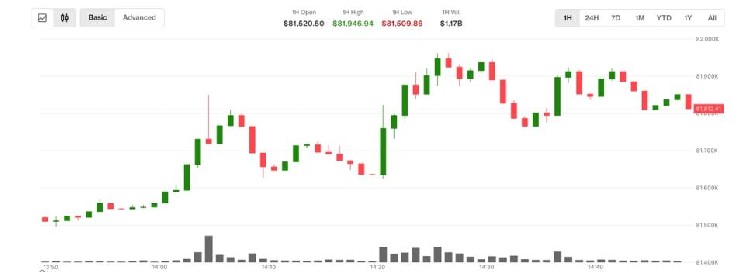
Monday brought a wave of optimism across global financial markets as investors reacted enthusiastically to emerging reports of potential diplomatic progress between the United States and Iran. The news sparked what traders call a “risk-on” environment, where investors feel confident enough to move their money into assets typically considered more volatile but potentially more rewarding. Bitcoin, often viewed as a barometer of risk appetite in modern markets, climbed impressively toward the $82,000 mark during European trading hours, building on gains that had started earlier in the Asian session. Meanwhile, technology stocks looked poised for a strong day, with futures contracts linked to the tech-heavy Nasdaq index climbing more than 1% as European markets opened their doors. This simultaneous movement across different asset classes and time zones demonstrated just how quickly today’s interconnected global markets can respond to geopolitical developments that have the potential to reshape international relations and economic stability.
Oil Markets Tumble on Supply Relief Expectations
While risk assets celebrated, the oil market told a different story—one of dramatic price declines that reflected investors’ hopes that Middle Eastern crude supplies might soon flow more freely. West Texas Intermediate (WTI) crude oil futures, one of the world’s primary oil benchmarks, plummeted by approximately 6% to settle near $95.28 per barrel during the European trading session. This sharp drop represented a significant reversal from the elevated prices that had characterized energy markets in recent weeks. The decline reflected traders’ calculations that a potential agreement between Washington and Tehran could ease one of the most significant supply disruptions affecting global oil markets. For context, when oil prices fall this sharply in a single session, it typically signals that markets are pricing in a substantial change in the supply-demand equation. In this case, investors were betting that diplomatic progress could mean millions of additional barrels of Iranian oil might eventually return to international markets, helping to ease the tight supply conditions that have kept prices elevated and contributed to inflationary pressures worldwide.
The Diplomatic Framework Taking Shape
The catalyst for Monday’s market movements was an Axios report detailing what sources described as significant progress toward a preliminary agreement between the United States and Iran. According to the reporting, negotiators from both sides are working toward finalizing a one-page memorandum of understanding that could serve as the foundation for ending hostilities and normalizing relations between the two long-time adversaries. The discussions have reportedly involved high-level U.S. envoys Steve Witkoff and Jared Kushner engaging with Iranian officials through a combination of direct talks and communications facilitated by intermediaries—a diplomatic approach often used when dealing with sensitive international negotiations where direct contact might be politically complicated. The compact nature of the proposed memorandum—reportedly just a single page—suggests negotiators have focused on core principles rather than comprehensive details, a strategy that can sometimes help break through diplomatic logjams by establishing basic agreement before tackling more complex implementation questions. This framework approach has historical precedent in international diplomacy, where initial agreements of principle pave the way for more detailed treaties and arrangements to follow.
Strategic Waterways and Energy Security
One of the most immediate practical benefits expected from any U.S.-Iran agreement centers on the Strait of Hormuz, a narrow waterway that serves as one of the world’s most critical chokepoints for oil transportation. This strategic passage, located between the Persian Gulf and the Gulf of Oman, typically sees approximately one-fifth of the world’s petroleum and petroleum products pass through its waters. According to reports that have circulated in recent weeks, Iranian forces have allegedly placed mines in these waters, creating a significant hazard for commercial shipping and effectively disrupting the normal flow of oil tankers through the strait. These disruptions, which reportedly intensified in late February, have sent ripples through global energy markets, with particularly severe impacts felt across Asia, where many economies depend heavily on Middle Eastern oil imports to power their industries and keep their populations mobile. Countries like Japan, South Korea, and China, which have limited domestic energy resources, have been especially vulnerable to these supply disruptions. The prospect of removing these obstacles and restoring normal shipping patterns explains much of the enthusiasm in energy markets and the corresponding relief reflected in lower oil prices, as traders anticipated a return to more stable and predictable supply chains.
Nuclear Concessions and Skeptical Voices
Perhaps the most diplomatically significant element of the reported draft agreement involves Iran’s nuclear program, a contentious issue that has been at the heart of U.S.-Iran tensions for decades. According to the Axios report, the proposed memorandum would include Iranian agreement to remove highly enriched uranium from the country—a concession that addresses one of Washington’s most persistent demands and one that Tehran has historically resisted with considerable determination. Highly enriched uranium represents a particularly sensitive issue because, while it has legitimate uses in certain types of nuclear reactors and medical applications, it also represents the most technically challenging component of nuclear weapons development. The United States and its allies have long maintained that limiting Iran’s stockpile of this material is essential to preventing nuclear weapons proliferation in the Middle East. However, not everyone in the financial and diplomatic communities is convinced that Iran would actually follow through on such a significant concession. Justin Low, a respected currency analyst at ForexLive, voiced the skepticism felt by many market observers when he stated, “I’m a bit skeptical on the final point about Iran ceding ground on the nuclear front. But we’ll have to wait and see I guess.” This cautious perspective reflects a recognition of the complex domestic politics within Iran, where hardline factions have long opposed making concessions on nuclear matters, viewing the program as both a matter of national sovereignty and a source of regional influence.
Market Psychology and the Path Forward
Despite the uncertainties and the valid questions raised by skeptical analysts, the very prospect of de-escalation between the United States and Iran proved powerful enough to trigger what market participants describe as a significant “shift in positioning” throughout Monday’s trading sessions. Investors and traders, operating on the principle that even imperfect progress is better than continued tension, moved capital decisively from defensive positions into risk assets, while simultaneously reducing their exposure to energy investments that had been inflated by geopolitical risk premiums. This market behavior reflects a fundamental aspect of how financial markets process geopolitical information: they tend to price in hoped-for outcomes even before those outcomes are certain, creating volatility as expectations evolve. The movements on Monday also illustrate how deeply interconnected modern geopolitics and global finance have become, with diplomatic developments in one region instantly affecting asset prices from Bitcoin to crude oil, from New York to Tokyo. As negotiations continue in the days and weeks ahead, markets will likely remain sensitive to any additional news, whether positive or negative, about the state of U.S.-Iran relations. For now, investors have chosen cautious optimism, betting that diplomacy might succeed where confrontation has failed, and that the global economy might soon benefit from reduced tensions in one of the world’s most volatile regions. Whether this optimism proves justified will depend on the willingness of both Washington and Tehran to transform preliminary frameworks into concrete, verifiable agreements that can withstand inevitable political pressures on both sides.