


Ripple CEO Brad Garlinghouse Addresses Crypto Tribalism and the Future of Digital Assets
Moving Beyond Maximalism in the Cryptocurrency Space
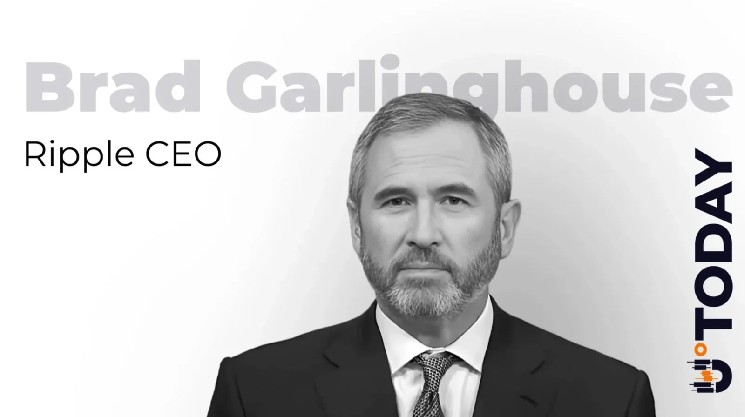
In a thought-provoking appearance at the recent Consensus conference, Brad Garlinghouse, CEO of Ripple Labs, made headlines by explicitly distancing himself from the label of “XRP maximalist.” This statement carries significant weight in an industry often characterized by fierce tribal loyalty and heated debates between supporters of different cryptocurrencies. Garlinghouse’s comments represent a refreshing departure from the typical echo chambers that dominate cryptocurrency discussions, where proponents of one digital asset often dismiss or attack competing projects. By openly declaring that he is not a maximalist, the Ripple chief executive is signaling a more mature and pragmatic approach to the evolving digital asset landscape. His position acknowledges that the future of blockchain technology and cryptocurrencies likely involves multiple successful projects serving different purposes, rather than a winner-takes-all scenario. This perspective is particularly noteworthy given that Ripple and XRP have long been at the center of controversy and debate within the broader cryptocurrency community, often facing criticism from Bitcoin purists who question XRP’s decentralization and Ripple’s business model.
Building Bridges with Bitcoin Despite Past Tensions
Perhaps most surprisingly, Garlinghouse went on to express his genuine desire to see Bitcoin succeed, despite well-documented tensions between Ripple and the Bitcoin community in the past. This olive branch comes after years of public disagreements and heated exchanges between representatives of both camps. The feuds between Ripple executives and Bitcoin supporters have historically centered around fundamental philosophical differences about what cryptocurrencies should be and how they should function. Bitcoin maximalists have long criticized XRP for its pre-mined supply, Ripple’s significant holdings of the token, and questions about the network’s degree of decentralization. Meanwhile, Ripple has positioned XRP as a more practical solution for real-world payment applications, particularly for cross-border transactions, arguing that Bitcoin’s limitations in speed and cost make it less suitable for certain use cases. Garlinghouse’s willingness to publicly wish Bitcoin well represents a significant shift in tone and suggests a growing recognition within the industry that cooperation and coexistence may be more productive than constant conflict. His comments acknowledge Bitcoin’s pioneering role in creating the cryptocurrency ecosystem and its continued importance as the largest and most recognized digital asset, with a market capitalization that dwarfs all competitors.
The Maturation of the Cryptocurrency Industry
Garlinghouse’s conciliatory stance reflects a broader maturation happening across the cryptocurrency industry. As digital assets gain increasing acceptance from institutional investors, traditional financial institutions, and regulatory bodies worldwide, the juvenile tribalism that once characterized much of the crypto discourse is gradually giving way to more nuanced and sophisticated conversations. Industry leaders are beginning to recognize that the success of the overall cryptocurrency ecosystem benefits all participants, and that the technology is robust enough to support multiple successful projects with different strengths and use cases. This evolution mirrors the development of traditional technology sectors, where competing companies and standards often coexist and even complement each other rather than engaging in zero-sum competition. The growing understanding is that Bitcoin, Ethereum, XRP, and other major cryptocurrencies can all thrive simultaneously by serving different niches and addressing different needs within the vast landscape of financial services and digital transactions. For Ripple specifically, which has focused primarily on providing blockchain solutions for banks and financial institutions seeking to modernize their cross-border payment infrastructure, the success of Bitcoin as a store of value and the success of XRP as a bridge currency are not mutually exclusive propositions.
Ripple’s Strategic Vision and Market Position
Garlinghouse’s comments at Consensus also provide insight into Ripple’s evolving strategic vision and its positioning within the competitive cryptocurrency market. Unlike many cryptocurrency projects that originated as grassroots, community-driven initiatives, Ripple has always operated more like a traditional technology company, with a clear corporate structure, business development teams, and a focus on enterprise adoption. This approach has been both a strength and a source of criticism. On one hand, it has enabled Ripple to form partnerships with hundreds of financial institutions globally and to make significant inroads in the traditionally conservative banking sector. On the other hand, it has made XRP a target for critics who argue that it doesn’t embody the decentralized, anti-establishment ethos that motivated Bitcoin’s creation. By acknowledging that he is not a maximalist and expressing support for Bitcoin’s success, Garlinghouse is effectively reframing the narrative around Ripple and XRP, positioning them not as competitors trying to dethrone Bitcoin, but as complementary technologies serving different purposes within a diverse and multifaceted digital economy. This pragmatic approach may help Ripple navigate an increasingly complex regulatory environment and appeal to a broader range of potential partners and users.
Navigating Regulatory Challenges and Legal Battles
The context of Garlinghouse’s remarks cannot be separated from Ripple’s ongoing regulatory challenges, most notably its protracted legal battle with the U.S. Securities and Exchange Commission. The SEC lawsuit, filed in December 2020, alleges that Ripple conducted an unregistered securities offering by selling XRP, a claim that Ripple vehemently denies. This case has had far-reaching implications not just for Ripple and XRP, but for the entire cryptocurrency industry, as it touches on fundamental questions about how digital assets should be classified and regulated. Throughout this legal ordeal, Ripple has sought to distinguish itself from other cryptocurrency projects and to emphasize its commitment to working within existing regulatory frameworks, even as it challenges what it views as the SEC’s overreach. Garlinghouse’s conciliatory tone toward Bitcoin and his rejection of maximalist thinking can be seen as part of a broader effort to position Ripple as a responsible, mature player in the digital asset space—one that is willing to engage constructively with regulators, collaborate with competitors, and contribute to the healthy development of the overall industry. This approach stands in contrast to the more combative stance taken by some cryptocurrency advocates who view any form of regulation as antithetical to the core principles of decentralization and financial sovereignty.
The Future of Interoperability and Crypto Cooperation
Looking ahead, Garlinghouse’s comments point toward a future in which interoperability and cooperation between different blockchain networks and cryptocurrency projects become increasingly important. As the technology matures and real-world adoption grows, the ability for different systems to work together seamlessly will likely become a key competitive advantage and a necessity for mainstream acceptance. The concept of multiple successful cryptocurrencies coexisting and even complementing each other aligns with emerging trends in the industry, such as the development of cross-chain bridges, wrapped tokens, and decentralized exchanges that facilitate trading across different blockchain networks. For users and institutions looking to leverage blockchain technology, a world in which Bitcoin, XRP, Ethereum, and other major cryptocurrencies can all be used together—each for its particular strengths—is far more practical and valuable than a scenario in which only one survives. Garlinghouse’s rejection of maximalism suggests that Ripple is positioning itself to thrive in this more collaborative future, where success is measured not by defeating competitors but by solving real problems and creating genuine value for users. As the cryptocurrency industry continues to evolve from its Wild West origins into a more established sector of the global financial system, the kind of pragmatic, non-tribal approach advocated by Garlinghouse may become the norm rather than the exception, benefiting developers, investors, and users alike while accelerating the technology’s mainstream adoption.