


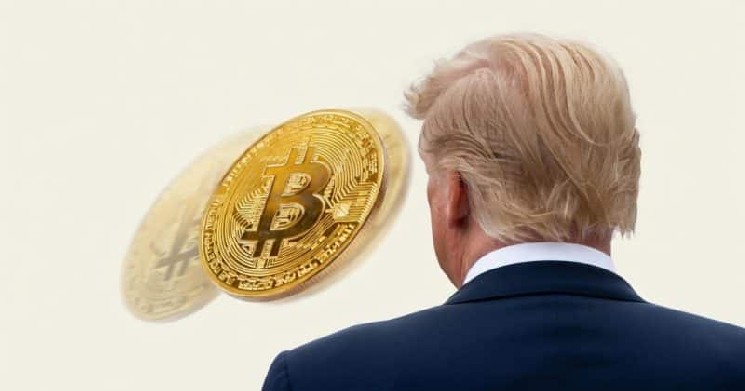

Bitcoin Surges as Trump Postpones Iranian Military Strikes: A Brief Respite in Global Market Turmoil
Diplomatic Breakthrough Brings Temporary Relief to Markets
In a development that sent shockwaves of optimism through global financial markets, Bitcoin experienced a significant jump following President Donald Trump’s announcement that he had directed the Department of War to postpone planned military operations against Iranian energy infrastructure and power plants for a five-day period. The temporary halt to military action came as a direct result of recent diplomatic discussions between Washington and Tehran, which both nations characterized as productive and constructive according to Trump’s statement on Truth Social. While the scope of this pause remains limited and doesn’t signal an end to the broader conflict, the announcement provided enough positive momentum to lift risk-sensitive assets that had been severely battered by weeks of escalating tensions and military confrontations in the Middle East. The cryptocurrency market, which has become increasingly sensitive to geopolitical developments, responded immediately to the news with Bitcoin surging back to the $71,000 level, demonstrating the market’s hunger for any signs of de-escalation in a conflict that has roiled global financial systems for weeks.
Cryptocurrency Market Responds with Broad-Based Gains
The positive sentiment triggered by Trump’s announcement didn’t just benefit Bitcoin – it sparked a rally across the entire cryptocurrency ecosystem, with major digital assets posting substantial gains that reflected investors’ willingness to re-embrace risk assets in response to the diplomatic developments. Ethereum, the second-largest cryptocurrency by market capitalization, climbed above the psychologically important $2,100 price level, while BNB Chain’s native token pushed through the $650 barrier. XRP, which has maintained a significant following despite ongoing regulatory challenges, traded above $1.40, joining the broader market rally. These price movements represent more than just technical trading patterns; they reflect a fundamental shift in investor sentiment from fear-driven selling to cautious optimism that diplomatic channels might prevent further military escalation. The synchronized nature of these gains across different cryptocurrency platforms suggests that the market viewed the Trump administration’s decision as genuinely significant rather than merely symbolic, with traders positioning themselves for the possibility that continued diplomatic engagement might lead to a more lasting resolution of the Middle Eastern crisis that has dominated headlines and disrupted markets for nearly a month.
The Genesis of Crisis: Operation Epic Fury and Its Aftermath
To understand the significance of today’s market rally, it’s essential to examine the context from which it emerged – a period of sustained geopolitical turbulence that began with Operation Epic Fury, a joint US and Israeli military campaign that launched on February 28, 2026, targeting Iranian leadership structures. The operation, which resulted in the killing of Supreme Leader Ali Khamenei, represented a dramatic escalation in Middle Eastern tensions and triggered a cascade of retaliatory strikes across the region that pushed global markets into a state of sustained volatility and uncertainty. Bitcoin, often touted as both a risk asset and a potential safe haven depending on market conditions, has found itself trapped in a volatile trading corridor between $66,000 and $76,000 since the operation began, with particularly severe selling pressure driving prices as low as $63,255 in the immediate aftermath of the initial military strikes. This price action reflects the deep uncertainty that has gripped cryptocurrency markets as investors struggled to assess both the immediate risks of regional conflict and the longer-term implications for global economic stability, energy security, and the monetary policy environment that heavily influences cryptocurrency valuations.
Energy Markets at the Epicenter of Economic Disruption
While cryptocurrencies and other financial assets have certainly felt the impact of Middle Eastern tensions, traditional energy markets have borne the brunt of the disruption caused by Operation Epic Fury and the subsequent retaliatory cycle. Brent crude oil, the international benchmark for petroleum prices, has experienced an extraordinary 60% increase since the conflict’s onset, surging from approximately $70 per barrel to above $113 by March 20 in one of the most dramatic oil price spikes in modern history. The International Energy Agency, which monitors global energy markets and advises developed nations on energy policy, characterized the resulting supply disruption as the most severe oil shock in recorded history – a assessment that carries particular weight given the agency’s institutional memory spanning previous crises including the 1973 Arab oil embargo, the 1979 Iranian Revolution, and the 1990-91 Gulf War. The situation deteriorated further when Iran threatened to close the Strait of Hormuz, the narrow shipping channel through which approximately one-fifth of global oil supplies pass daily, prompting President Trump to issue a 48-hour ultimatum demanding the waterway’s reopening. This escalation amplified already acute fears of a prolonged energy shortage that could push prices even higher and trigger economic consequences far beyond the Middle East, affecting consumers and businesses worldwide through higher transportation costs, increased heating and cooling expenses, and elevated prices for petroleum-derived products ranging from plastics to pharmaceuticals.
Federal Reserve Confronts Inflation Resurgence
The economic reverberations from Middle Eastern conflict have forced the Federal Reserve to recalibrate its monetary policy outlook, with significant implications for all asset classes including cryptocurrencies that have historically shown sensitivity to interest rate expectations and liquidity conditions. Meeting in March against the backdrop of surging energy costs and growing concerns about secondary inflation effects, Federal Reserve policymakers revised their 2026 inflation forecast upward from 2.4% to 2.7%, acknowledging that rising energy prices were beginning to pass through to broader consumer prices in ways that threatened to undermine the progress made against inflation over the previous years. This revision, while seemingly modest in numerical terms, carries profound implications for monetary policy direction, as it signals the Fed’s recognition that inflation pressures may prove more persistent than previously anticipated. In response to these evolving conditions, policymakers communicated a “higher-for-longer” stance on interest rates, suggesting that the central bank would maintain restrictive monetary policy for an extended period to prevent temporary energy price shocks from becoming embedded in longer-term inflation expectations. For cryptocurrency markets, this policy posture presents a challenging environment, as higher interest rates typically strengthen the dollar, increase the opportunity cost of holding non-yielding assets like Bitcoin, and reduce the liquidity conditions that have historically supported risk asset valuations. The tension between these monetary policy headwinds and the potential for cryptocurrencies to serve as hedges against geopolitical uncertainty and currency depreciation creates a complex investment landscape that will likely continue to generate significant price volatility in the weeks and months ahead.
Looking Ahead: Temporary Relief or Turning Point?
As markets digest the implications of Trump’s five-day postponement of military strikes against Iranian infrastructure, investors face the challenging task of determining whether this development represents a genuine turning point toward de-escalation or merely a temporary pause in an ongoing conflict trajectory. The limited scope of the postponement – just five days – suggests caution is warranted, as this timeframe provides only a narrow window for diplomatic progress before military options return to the forefront. Nevertheless, the fact that both Washington and Tehran characterized their recent discussions as productive and constructive offers some basis for optimism that dialogue channels remain open and that both sides may recognize the mutual costs of continued escalation. For cryptocurrency markets, the path forward will likely depend heavily on whether this diplomatic opening leads to more substantive agreements that address the underlying sources of conflict, potentially including Iranian nuclear activities, regional proxy forces, and the status of strategic shipping lanes like the Strait of Hormuz. If diplomatic progress continues and energy markets begin to stabilize, cryptocurrencies could benefit from improved risk sentiment and renewed capital flows into alternative assets. Conversely, if the five-day pause expires without meaningful breakthroughs and military operations resume, markets may face renewed selling pressure that could test the lower bounds of Bitcoin’s recent trading range. Beyond the immediate geopolitical situation, longer-term questions about inflation trajectories, Federal Reserve policy, and the role of cryptocurrencies in portfolios during periods of simultaneous geopolitical and economic stress will continue to shape market dynamics. What remains clear is that in an increasingly interconnected global economy, developments in the Middle East have far-reaching consequences that extend well beyond regional boundaries, affecting asset classes from crude oil to digital currencies and forcing investors to navigate an exceptionally complex and rapidly evolving landscape where geopolitical, monetary, and technological factors intersect in unprecedented ways.