


Spirit Airlines Faces Critical Cash Crisis as Rescue Talks Hit Roadblock
A Carrier on Life Support
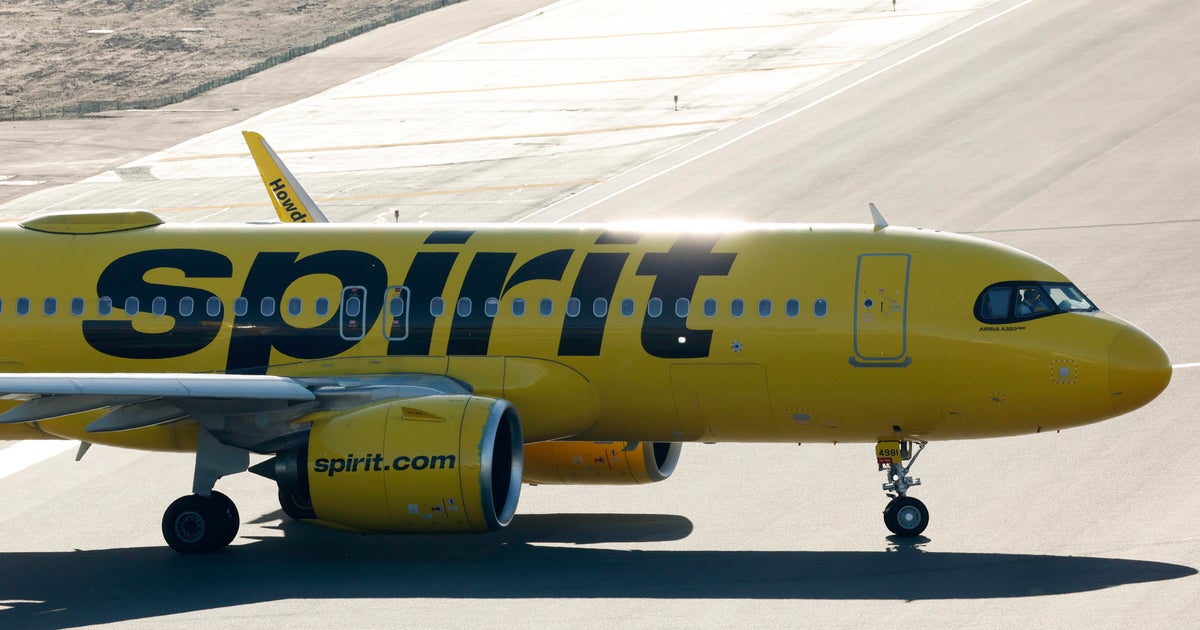
Spirit Airlines finds itself in an increasingly desperate situation, with the budget carrier having only enough cash reserves to keep planes in the air for a handful of days rather than weeks. This alarming financial state has thrust the airline into intense negotiations for a government-backed rescue package, though those discussions have reportedly reached an impasse. The airline, known for its no-frills approach to air travel and rock-bottom fares, is confronting what could be its final chapter as multiple bankruptcy filings since 2024 and sharply rising fuel costs—partially attributed to ongoing conflict involving Iran—have pushed the company to the brink of collapse. The situation has become so dire that Spirit has turned to the federal government as its last hope for survival, seeking emergency intervention to prevent what would be a significant disruption to the American aviation industry and the loss of thousands of jobs. The Trump administration has shown willingness to step in, but the path forward remains fraught with obstacles as various stakeholders disagree on the terms of any potential rescue deal.
The Government’s Controversial Proposal
According to reports from CBS News, the Trump administration has put forward a bailout proposal that would provide Spirit Airlines with a $500 million emergency loan. However, this financial lifeline comes with significant strings attached that have proven controversial among the airline’s existing creditors. Under the proposed terms, the federal government would not simply be providing a loan—it would effectively be positioning itself to take control of approximately 90% of the company. This arrangement would make the government the senior bondholder, meaning that in any repayment scenario, the federal government would be first in line to recover its investment before any other creditors see a penny of their money returned. This subordination of existing bondholders has understandably created friction, as creditors who have already invested substantial sums into Spirit would find themselves pushed further down the priority list for repayment. The proposal represents an unusual intervention in the private sector by the federal government, though it’s worth noting that such actions aren’t entirely without precedent—the government has stepped in to rescue major corporations during times of economic crisis before, though each situation brings its own unique complications and political considerations.
Creditor Resistance Threatens Deal
The government’s rescue package faces significant opposition from several major creditors who hold substantial stakes in Spirit’s financial future, and their refusal to sign off on the deal could ultimately doom the entire rescue effort. Among the notable parties resisting the government’s terms is Ken Griffin’s Citadel, a major financial powerhouse that went so far as to submit a counterproposal for Spirit’s rescue—though that alternative plan was ultimately rejected by the government. Two other significant creditors, Ares Management Corp. and Cyrus Capital, have also voiced their opposition to the government’s proposed bailout structure, according to information provided by U.S. officials speaking with CBS News. These creditors’ reluctance is understandable from their perspective: they’ve already invested money into Spirit with certain expectations about priority and returns, and the government’s plan would fundamentally alter those arrangements to their disadvantage. The situation highlights one of the central challenges in corporate rescues—balancing the interests of existing stakeholders with the practical necessities of keeping a failing company operational. Without creditor approval, the government’s proposed deal cannot move forward, leaving Spirit in a precarious holding pattern where its cash reserves continue to dwindle with each passing day.
Legal Proceedings and Default Concerns
The legal complexity surrounding Spirit’s situation continues to evolve, with a bankruptcy hearing that had been scheduled for Thursday being postponed according to a court filing submitted on Wednesday. That filing noted that conversations regarding the government bailout package are still ongoing, suggesting that despite the apparent impasse, all parties continue to seek some path forward. The stakes of these discussions became even more apparent last week when it was revealed during a bankruptcy court hearing that Spirit had missed an interest payment—a development that could potentially trigger a default on its debtor-in-possession agreement with creditors. Such an agreement is typically established during bankruptcy proceedings to provide working capital while a company attempts to reorganize, and defaulting on such an arrangement could have severe consequences for Spirit’s ability to continue operations. However, there’s a small silver lining: according to a Thursday court filing, the creditors have not yet delivered formal notice that they intend to enforce the default, suggesting they may be willing to provide Spirit with additional time to work out a solution. The airline currently has approximately $250 million in cash on hand, but that sum isn’t freely available for operations—creditors have placed a lien on those funds, meaning Spirit cannot simply use that money without creditor approval, further constraining the airline’s options as it burns through what little available cash it has left.
Trump’s Position and the Defense Production Act
President Trump has publicly stated his openness to a government takeover of Spirit Airlines, though he’s emphasized this would need to happen “for the right price.” The president has framed the potential intervention in terms of job preservation, noting that such a move could save thousands of positions in an industry already struggling with workforce challenges. Trump has also pointed to Spirit’s tangible assets, telling reporters that the airline possesses “some good aircraft” and “some good assets”—though the reality is somewhat more complicated than that statement might suggest. As of the end of 2025, Spirit actually leased most of its aircraft rather than owning them outright, and the company has been actively working to shrink its fleet size as part of its bankruptcy reorganization process. The Trump administration is reportedly considering invoking the Defense Production Act’s emergency powers to facilitate the loan to Spirit, a move that CBS News was first to report last week. This Korean War-era law gives the president broad authority to direct private industry in support of national defense priorities, and its use in this context would represent a creative application of those powers. Under the administration’s vision, Spirit’s excess aircraft capacity would be redirected toward military operations, including the transportation of troops and cargo. Following this period of government control and military utilization, the company would then likely be sold to another airline when it eventually emerges from bankruptcy protection, potentially consolidating the airline industry further.
Uncertain Future for Passengers and Employees
A White House official provided a carefully worded statement to CBS News, saying: “The Trump administration continues to monitor the health of the American aviation industry and explore possible options to help passengers and airline employees.” This diplomatic language masks the very real uncertainty facing thousands of Spirit employees whose livelihoods depend on the airline’s survival, as well as countless passengers who have come to rely on Spirit’s ultra-low fares for affordable air travel. Spirit Airlines representatives did not immediately respond to CBS News’ request for comment, leaving stakeholders with little official information about what the airline itself is thinking or planning as the crisis unfolds. The situation represents more than just a corporate bankruptcy—it’s a story about the changing landscape of American aviation, the challenges facing budget carriers in an industry with notoriously thin margins, and the complicated question of when and how governments should intervene to rescue failing private companies. For passengers who’ve booked flights on Spirit in the coming weeks and months, the uncertainty creates real anxiety about whether those trips will actually happen. For employees, from pilots to flight attendants to ground crew, each passing day without resolution means another day of not knowing whether they’ll have jobs next week or next month. As negotiations continue and Spirit’s cash reserves dwindle, the clock is ticking toward a resolution—whether that takes the form of a government rescue, an alternative arrangement with creditors, or the airline’s final shutdown remains to be seen.