

Bitcoin and Markets Rally as Diplomatic Hopes Emerge in Middle East Crisis
A Welcome Shift in Market Sentiment
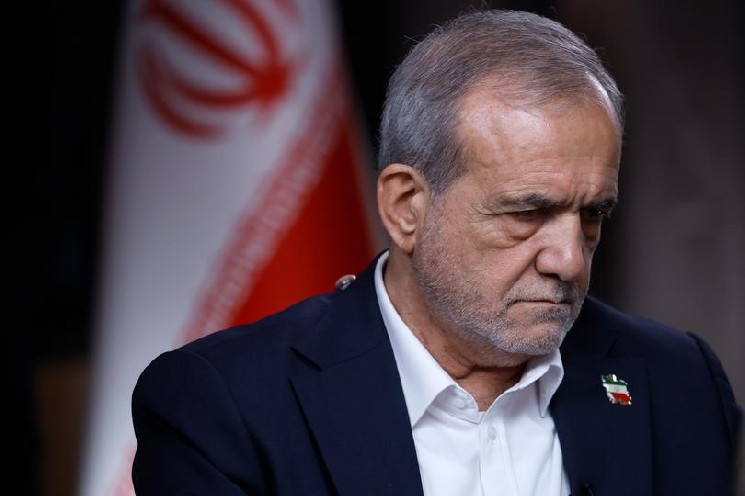
In a development that sent ripples of optimism through global financial markets, Bitcoin and U.S. equities experienced a notable uptick following reports that Iranian President Masoud Pezeshkian expressed willingness to pursue peace. According to unconfirmed statements attributed to the Iranian leader, the country would be open to ending the current conflict provided it receives adequate security guarantees. This news came as a breath of fresh air to investors who have been nervously watching the escalating tensions in the Middle East, fearing their potential impact on the global economy. The cryptocurrency market, which has shown increasing correlation with traditional risk assets in recent months, responded positively to these developments, with Bitcoin leading the charge higher. The digital asset’s price movement reflected growing investor confidence that perhaps the worst-case scenarios might be avoidable, at least for now.
Bitcoin’s Strong Performance Reflects Risk-On Appetite
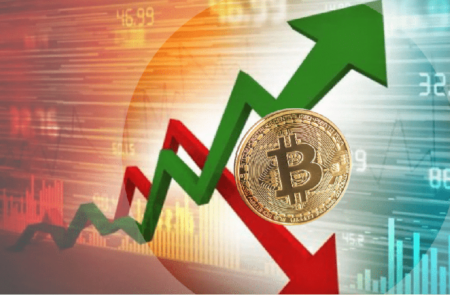
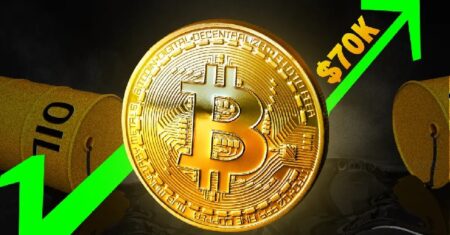
Bitcoin demonstrated impressive resilience and strength in the wake of the diplomatic news, climbing to $67,762 and posting gains of nearly 2% over a 24-hour trading period. This price action represents more than just a minor fluctuation—it signals that investors are increasingly viewing Bitcoin as a legitimate component of diversified portfolios that responds to macroeconomic developments and geopolitical events. The cryptocurrency’s ability to rally alongside traditional equities suggests that market participants are treating it as a risk asset during this particular phase of market evolution. For Bitcoin enthusiasts and investors, this price level represents a significant psychological milestone, keeping the digital currency well-positioned within striking distance of its previous all-time highs. The move also demonstrates that despite ongoing regulatory concerns and market volatility, Bitcoin maintains its appeal as both a speculative investment and, for some, a hedge against traditional financial system uncertainties.
Traditional Markets Show Even Stronger Gains
While Bitcoin’s gains were certainly noteworthy, traditional equity markets responded with even greater enthusiasm to the diplomatic opening. The Nasdaq Composite, heavily weighted with technology stocks that tend to be particularly sensitive to interest rate expectations and economic outlook, approximately doubled its earlier gains following the news about Iran’s potential willingness to negotiate. The tech-heavy index surged 3.1%, reflecting strong investor appetite for growth-oriented assets when geopolitical risks appear to diminish. This substantial move in the Nasdaq illustrates how deeply concerned market participants had become about the potential for conflict escalation and its implications for global economic stability. Technology companies, many of which operate on global scales with complex supply chains, are especially vulnerable to international disruptions. The rally suggests that investors are breathing a collective sigh of relief at the possibility that diplomatic channels might remain open, potentially averting a broader regional conflict that could have devastating consequences for international commerce and economic growth.
Oil Markets Retreat from Crisis Levels
Perhaps the most dramatic market reaction came from the energy sector, where West Texas Intermediate (WTI) crude oil prices experienced a sharp reversal from crisis-driven highs. The commodity, which had climbed to just shy of $105 per barrel—a level that would have significant inflationary implications for the global economy—tumbled to $102 following the news of potential diplomatic progress. While this $3 decline might seem modest in absolute terms, it represents a meaningful shift in market expectations about supply disruptions and geopolitical risk premiums. Oil prices serve as a barometer not just for energy costs but for broader economic health, as petroleum remains fundamental to transportation, manufacturing, and countless other economic activities. The pullback from peak levels suggests that traders are recalibrating their risk assessments, moving away from worst-case scenarios that would involve major disruptions to oil production or transportation through critical Middle Eastern shipping routes. This retreat in oil prices could provide some relief on inflation concerns that have plagued central banks and policymakers, potentially giving them more flexibility in their monetary policy decisions.
The Diplomatic Path Forward Remains Uncertain
Despite the positive market reaction, it’s crucial to recognize that President Pezeshkian’s remarks remain unconfirmed through official channels, and even if verified, would represent only the earliest stages of what would undoubtedly be a complex and challenging diplomatic process. The mention of “security guarantees” as a precondition for ending the conflict raises numerous questions about what specific assurances would satisfy Iran’s concerns and who would be positioned to provide such guarantees in a manner that all parties would find credible and enforceable. Historical precedent suggests that conflicts in the Middle East rarely resolve quickly or simply, often involving multiple stakeholders with competing interests, deep-rooted grievances, and complex regional power dynamics. Nevertheless, even the hint of diplomatic openness represents a significant departure from escalatory rhetoric and military posturing. For global markets, which abhor uncertainty and view geopolitical conflicts as serious threats to economic stability, any indication that parties might be willing to pursue negotiation over confrontation is welcome news worth celebrating, even if cautiously.
Market Implications and Investor Considerations
The coordinated movement across different asset classes—cryptocurrencies, equities, and commodities—in response to this diplomatic development illustrates the interconnected nature of modern financial markets and their sensitivity to geopolitical events. For investors, these market movements offer several important lessons and considerations. First, the correlation between Bitcoin and traditional risk assets appears to be strengthening during certain market conditions, particularly when macroeconomic factors and geopolitical concerns dominate market sentiment. This means that cryptocurrency investors should remain aware of broader market dynamics rather than viewing digital assets in complete isolation. Second, the sharp movements in all these markets demonstrate how quickly sentiment can shift based on news flow, underscoring the challenges of timing markets and the importance of maintaining diversified portfolios that can weather volatility. Third, while diplomatic openings are certainly positive developments, markets may be getting ahead of themselves in pricing in peaceful resolutions to complex conflicts, suggesting that volatility could return if negotiations stall or tensions re-escalate. As always, prudent investors should focus on their long-term financial goals and risk tolerance rather than making dramatic portfolio shifts based on day-to-day news developments, no matter how significant they might seem in the moment.