

United Airlines CEO Confirms Merger Approach to American Airlines Amid Industry Controversy
The Merger Proposal That Never Was
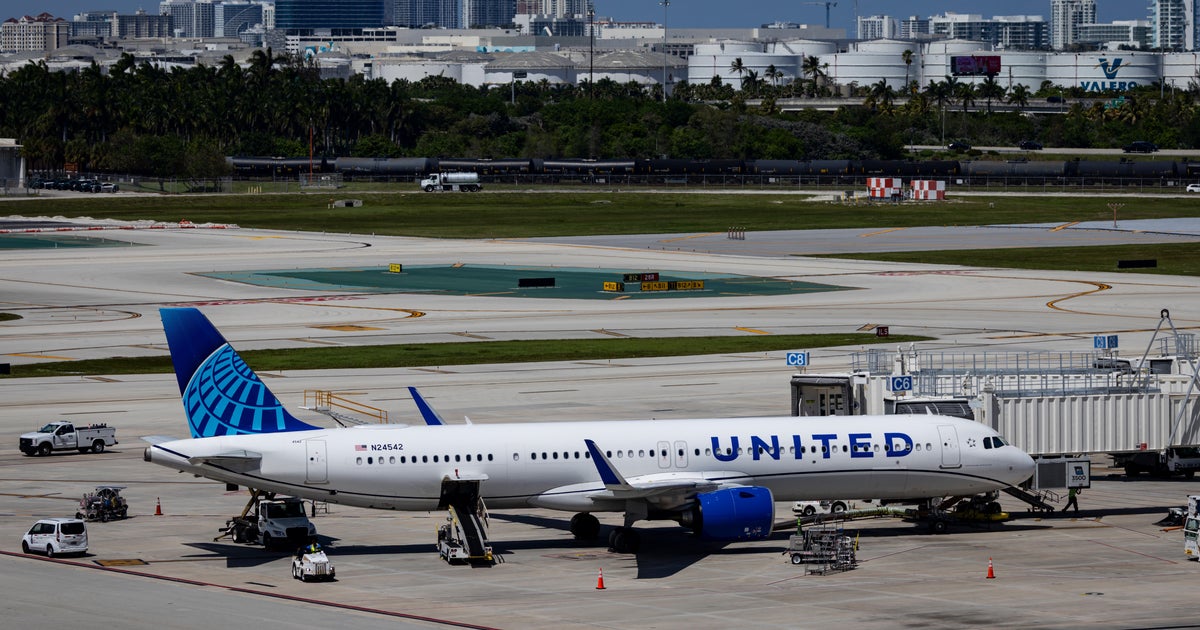
In a candid revelation that sent ripples through the aviation industry, United Airlines CEO Scott Kirby publicly acknowledged on Monday that he had reached out to American Airlines to discuss what could have been one of the most significant mergers in U.S. airline history. Speaking with confidence about the proposal, Kirby explained his vision in an April 27 statement, emphasizing that his approach was fundamentally about growth rather than consolidation. “I was confident that this combination, which would have been about adding and not subtracting, creating a truly great airline that customers love, could get regulatory approval,” he stated. The United chief executive had reportedly pitched this ambitious idea to officials within the Trump administration, according to insider sources, in conversations that only came to public attention earlier this month. However, the overture was met with a swift and decisive rejection from American Airlines, which made its position crystal clear in an April 17 statement, declaring that the company was “not engaged with or interested” in any merger discussions whatsoever. This public rebuff essentially closed the door on what Kirby had hoped would be productive negotiations between the two aviation giants.
American’s Firm Rejection and Kirby’s Response
The rejection from American Airlines was not just decisive—it was public and definitive, leaving little room for misinterpretation about the company’s stance on the matter. Faced with this unwavering refusal to even entertain preliminary discussions, Kirby expressed his disappointment while acknowledging the reality of the situation. “I was hoping to pitch that story to American, but they declined to engage and instead responded by publicly closing the door. And without a willing partner, something this big simply can’t get done,” Kirby explained in his Monday statement. The public nature of American’s rejection was particularly notable, as it effectively shut down speculation and sent a clear message to investors, employees, and the broader industry that the carrier had no interest in pursuing this path. When contacted for further comment following Kirby’s public acknowledgment, neither United nor American Airlines immediately responded to media requests, suggesting both companies were content to let their previous statements speak for themselves. The silence from both carriers left industry observers to analyze the implications of this failed overture and what it might mean for future consolidation efforts in the highly competitive airline sector.
The Regulatory Landscape and Anticipated Challenges
While Kirby expressed confidence in obtaining regulatory approval for the proposed merger, the reality of the current regulatory environment presents significant obstacles to such large-scale consolidation in the airline industry. The United CEO had previously dropped hints about his company’s expansion ambitions, but any merger of this magnitude would undoubtedly face intense scrutiny from federal regulators tasked with protecting consumer interests and maintaining competitive markets. The Biden administration and regulatory bodies have demonstrated a more aggressive stance toward large corporate mergers across various industries, particularly in sectors where consolidation could potentially reduce competition and lead to higher prices for consumers. In the airline industry specifically, regulators have been particularly vigilant, having blocked or complicated several merger attempts in recent years due to concerns about market concentration, reduced route options, and the potential for increased fares. The merger between United and American would have created an aviation behemoth of unprecedented scale, controlling a massive share of domestic and international routes, which would almost certainly have triggered extensive antitrust reviews and likely opposition from consumer advocacy groups concerned about reduced competition in already consolidated markets.
Political Opposition From Both Sides of the Aisle
The potential merger quickly attracted bipartisan political opposition, demonstrating that concerns about airline consolidation transcend typical partisan divisions in Washington. In a letter addressed to both airline CEOs last week, Senator Elizabeth Warren, a progressive Democrat from Massachusetts known for her strong stance against corporate consolidation, joined forces with Senator Mike Lee, a conservative Republican from Utah, to voice their shared concerns about the proposed combination. This unusual alliance between a prominent progressive and a conservative Republican highlighted the broad-based nature of the opposition to further airline industry consolidation. In their joint letter, the senators argued forcefully that such a merger would significantly weaken competition within the industry and ultimately harm consumers through higher fares, reduced service options, and diminished customer service quality. The bipartisan nature of this opposition signaled that any future merger attempt would face significant political headwinds in addition to regulatory challenges, making the path to approval even more difficult than Kirby might have anticipated when he first floated the idea to Trump administration officials.
Kirby’s Vision: A Customer-Focused Airline Giant
Despite the rejection and mounting opposition, Kirby used his Monday statement as an opportunity to articulate his full vision for what a United-American combination could have achieved for employees, customers, and American competitiveness in the global aviation market. The United CEO painted an ambitious picture of a merger that would prioritize worker welfare, customer satisfaction, and national economic interests. According to Kirby’s vision, the combined entity would create numerous “high-paying, unionized jobs,” addressing concerns that mergers typically result in workforce reductions and job losses. He also promised that the merger would offer more affordable flying options for customers, presumably through operational efficiencies and expanded route networks that would provide travelers with more choices and competitive pricing. Perhaps most significantly, Kirby framed the merger in nationalistic terms, arguing that it would enable the combined carrier to compete more effectively with foreign airlines that often benefit from government support and operate with different regulatory frameworks. “By combining our airlines and using that scale to revolutionize our customers’ experience, we’d create a new, thriving U.S. airline that would be the very best in the world for customers – full stop,” Kirby declared, attempting to position the merger not as a profit-driven consolidation but as a transformative opportunity to elevate American aviation on the global stage.
Industry Implications and the Future of Airline Consolidation
The failed United-American merger discussions represent more than just a rejected business proposal—they illuminate the complex dynamics currently shaping the airline industry and the challenging environment for major consolidation efforts. The U.S. airline industry has already undergone significant consolidation over the past two decades, with numerous mergers creating the current landscape dominated by a handful of major carriers. United’s merger with Continental, American’s combination with US Airways, Delta’s acquisition of Northwest, and Southwest’s purchase of AirTran have already dramatically reduced the number of major competitors in the market. This history of consolidation makes regulators and lawmakers particularly sensitive to further concentration, as evidenced by the bipartisan political opposition and anticipated regulatory challenges that would have confronted any United-American combination. For industry observers, Kirby’s public acknowledgment of his merger approach and American’s decisive rejection suggest that the era of mega-mergers in the airline industry may have reached its practical limits, at least under current political and regulatory conditions. Airlines seeking growth may need to focus on organic expansion, strategic partnerships, and operational improvements rather than transformative mergers. The episode also raises questions about corporate strategy and communication, as Kirby’s decision to publicly discuss the rejected proposal—rather than keeping such sensitive negotiations confidential—may reflect frustration with American’s unwillingness to engage or an attempt to build public support for the concept of airline consolidation. Regardless of the motivation, this very public attempt and rejection will likely influence how airline executives approach future consolidation discussions, potentially making them more cautious about floating merger ideas, particularly in an environment where regulatory approval remains uncertain and political opposition is swift and bipartisan.