


The Changing of the Guard at America’s Central Bank: What Kevin Warsh’s Nomination Means
The Federal Reserve, America’s central bank, stands at a pivotal moment as it prepares for a significant leadership transition. With current Chairman Jerome Powell’s term set to conclude in May, President Donald Trump has put forward Kevin Warsh as his choice to lead the institution that plays such a crucial role in the nation’s economic stability. This nomination has sparked considerable attention in Washington, not just because of who might lead the Fed, but also due to the political drama that has surrounded the confirmation process. What seemed like a potentially rocky road to confirmation has recently become much smoother, signaling that America’s economic stewardship may soon be in new hands.
A Critical Political Hurdle Overcome
The path to becoming Federal Reserve Chairman requires more than just a presidential nomination—it demands Senate confirmation, a process that can sometimes become complicated by political considerations and individual objections. In Kevin Warsh’s case, one of the most significant obstacles appeared to be Republican Senator Thom Tillis, whose position on the Senate Banking Committee gives him substantial influence over such nominations. Tillis had initially expressed opposition to Warsh’s confirmation, creating uncertainty about whether the nomination could move forward smoothly. However, in a development that clears a major hurdle for Warsh, Senator Tillis has now announced that he will support the confirmation, fundamentally changing the political landscape surrounding this important appointment.
Senator Tillis’s change of heart didn’t happen in a vacuum or represent a simple shift in personal opinion. His initial opposition was tied directly to concerns about an ongoing investigation into the Federal Reserve and Chairman Powell himself. For Tillis and other senators concerned about institutional integrity, moving forward with a leadership transition while questions remained about the current leadership seemed premature and potentially problematic. The senator made his reasoning clear in a statement posted on social media platform X (formerly Twitter), explaining that with the Department of Justice having concluded its investigation into Chairman Powell, the primary reason for his hesitation had been resolved. This pragmatic approach reflects the careful balance senators must strike between political considerations and institutional stability.
The Investigation That Held Everything Up
Understanding why Senator Tillis initially opposed Warsh’s confirmation requires examining the Justice Department investigation that cast a shadow over the Federal Reserve. This wasn’t an investigation into monetary policy or economic decisions—the typical focus of Fed oversight—but rather concerned the renovation of Federal Reserve buildings. While this might sound like a relatively mundane administrative matter, the implications were far more serious. Senator Tillis characterized the investigation as potentially threatening to the Federal Reserve’s independence, one of the most sacred principles in American economic policy. The Fed’s ability to make decisions about interest rates and monetary policy without political interference has long been considered essential to economic stability and credibility in financial markets.
The investigation into building renovations may seem unusual as a matter of such high-stakes political concern, but Tillis and others viewed it through a broader lens. Any Justice Department investigation into Fed operations, regardless of the specific subject matter, creates a relationship between law enforcement and central banking that can appear problematic. The concern wasn’t necessarily about what the investigation might find, but rather about the precedent it set and the potential for executive branch agencies to exert pressure on the supposedly independent Federal Reserve. Tillis made this perspective explicit in his statements, noting that “this investigation was one that could threaten the independence of the Federal Reserve.” His position was essentially that the Senate couldn’t responsibly consider a new Fed chairman while the current chairman remained under investigation, as doing so might appear to validate or normalize investigative pressure on the central bank.
Why One Senator’s Opposition Mattered So Much
In the complex machinery of Senate procedures, a single senator can wield remarkable power, particularly when it comes to nominations. Senator Tillis wasn’t just one voice among a hundred—his opposition had the potential to single-handedly prevent the confirmation vote from moving forward. This procedural reality made his position on Warsh’s nomination far more consequential than it might otherwise have been. Senate rules allow individual members to place holds on nominations and use various procedural tools to delay or obstruct the confirmation process. Given Tillis’s stated opposition and his position on relevant committees, observers had identified him as potentially the biggest obstacle standing between Kevin Warsh and the Fed chairmanship.
This dynamic illustrates an important aspect of American governance that often frustrates those seeking swift action but reflects the careful system of checks and balances embedded in the Constitution. The Senate’s role in confirming presidential appointments isn’t merely ceremonial—it represents a genuine check on executive power, and individual senators’ ability to slow or stop nominations ensures that concerns can be heard and addressed. In this case, Tillis used his position not to permanently block the nomination but to ensure that a legitimate concern about Fed independence was addressed before the process moved forward. With the Justice Department investigation now concluded, that concern has been resolved, allowing Tillis to support the nomination and clearing what many viewed as the most significant remaining obstacle to Warsh’s confirmation.
Kevin Warsh: The Man Nominated to Lead America’s Economic Policy
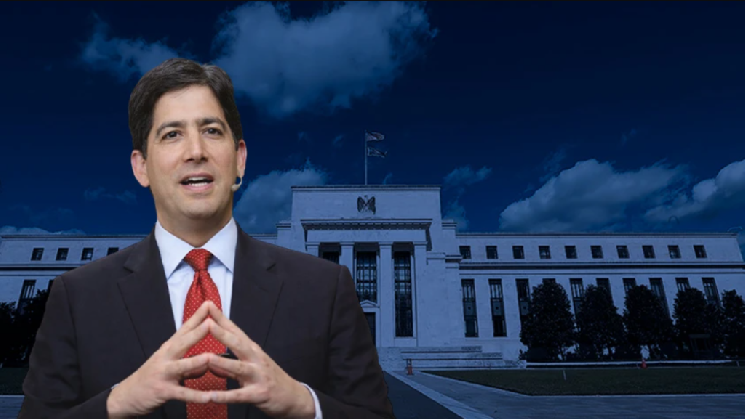
Kevin Warsh isn’t new to the Federal Reserve—he previously served as a Fed governor from 2006 to 2011, a period that encompassed the financial crisis and the early stages of the economic recovery. This experience gives him familiarity with the institution’s operations and the complex challenges facing central bankers in turbulent times. His nomination represents President Trump’s vision for Fed leadership at a time when monetary policy decisions carry enormous weight for everything from mortgage rates to employment levels to stock market performance. Warsh is generally regarded as someone who understands both the technical aspects of monetary policy and the broader political and economic context in which the Fed operates.
The transition from Powell to Warsh would represent more than just a change in personalities—it could signal shifts in approach to key policy questions. While Fed chairs must work with a committee of governors and regional bank presidents, the chairman’s perspective and priorities inevitably influence the institution’s direction. Questions about inflation management, interest rate policy, banking regulation, and the Fed’s role in responding to economic crises will all be shaped by whoever holds the chairman’s position. As Warsh moves through the confirmation process, senators will have the opportunity to question him about his views on these critical issues, providing the public with insight into how Fed policy might evolve under his leadership.
What This Means for America’s Economic Future
The Federal Reserve’s influence on daily American life can hardly be overstated, even though its work often involves technical decisions that receive limited public attention. The interest rate decisions made by the Fed affect mortgage rates that determine whether families can afford homes, credit card rates that influence consumer spending, and business loan rates that shape hiring and investment decisions. The Fed’s regulatory role affects the stability of the banking system, with direct implications for whether Americans’ deposits are safe and whether financial institutions can weather economic storms. Beyond these specific policy areas, the Fed’s credibility and independence influence how financial markets function and how foreign investors view American economic stability.
With Senator Tillis’s opposition now resolved, Kevin Warsh appears to have a clear path to confirmation, barring any unexpected developments. This transition in Fed leadership comes at a significant moment in economic history, as the central bank continues navigating the complex challenge of maintaining economic growth while managing inflation concerns. The conclusion of the Justice Department’s investigation into Powell and the Fed removes a cloud of uncertainty that had hung over this transition, allowing for a more normal confirmation process focused on Warsh’s qualifications and policy views rather than being overshadowed by questions about investigations and institutional independence. As the Senate moves forward with consideration of this nomination, Americans can expect their economic futures to be significantly influenced by the leadership transition taking place at the institution that serves as the guardian of monetary stability and financial system integrity. While the specific policy directions remain to be seen, the clearing of political obstacles suggests that this important transition can now proceed with the careful deliberation it deserves.