


Gene Simmons and Bitcoin Experts Weigh In on Cryptocurrency’s Tumultuous Times
The KISS Legend Speaks: Gene Simmons’ Bitcoin Philosophy
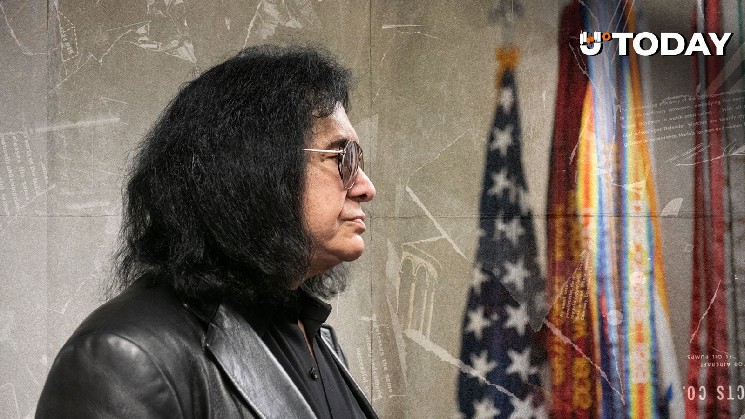
Gene Simmons, the iconic frontman of legendary rock band KISS, recently broke his usual silence on cryptocurrency to share some thoughtful advice with his millions of fans across social media. The rock star, known for his business acumen as much as his electrifying stage presence, took to Twitter to discuss his personal approach to Bitcoin investing—a topic he typically keeps close to the chest. In his characteristically straightforward manner, Simmons laid out his investment philosophy in simple terms that both cryptocurrency veterans and newcomers could understand.
The core of Simmons’ message centered on the concept of “HODLing”—a term beloved by cryptocurrency enthusiasts that originated from a misspelled forum post and has since become shorthand for holding onto your Bitcoin investments through thick and thin rather than panic-selling during market downturns. Simmons made it clear that his personal strategy involves holding Bitcoin for the long haul, expressing firm confidence in what the future holds for the world’s first and most prominent cryptocurrency. While he stopped short of making specific predictions, his optimistic tone suggested a belief that Bitcoin’s best days may still lie ahead, despite the recent market turbulence that has shaken investor confidence and prompted many to question their cryptocurrency holdings.
However, true to his reputation as a savvy businessman, Simmons didn’t simply tell his fans to blindly follow his lead. Instead, he emphasized the critical importance of personal responsibility in investment decisions. He strongly encouraged everyone to conduct their own thorough research before making any financial commitments to Bitcoin or any other cryptocurrency. This responsible approach to financial advice demonstrates Simmons’ understanding that what works for a wealthy rock star with diversified investments might not be appropriate for everyone, and that each person’s financial situation, risk tolerance, and investment goals are unique. His balanced message—optimistic about Bitcoin’s future but insistent on individual due diligence—reflects the kind of measured wisdom that has helped him build a business empire beyond his music career.
Samson Mow’s Perspective: The “Unfair” Bitcoin Drawdown
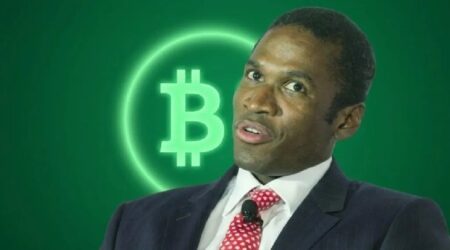
Samson Mow, a prominent Bitcoin advocate and leader of cryptocurrency company JAN3, recently offered his perspective on the significant price decline that has rattled the Bitcoin market. Over the course of just one week, Bitcoin shed nearly 20% of its value, dropping from the $90,000 range down to approximately $69,440—a substantial loss that left many investors anxious and questioning their positions. However, Mow’s analysis of this downturn took an interesting angle that differed from typical market commentary. Rather than focusing solely on the magnitude of the price drop, which was certainly significant, Mow expressed frustration with what he characterized as the fundamentally “unfair” nature of Bitcoin’s recent price behavior in relation to other assets in the broader financial marketplace.
Mow’s complaint centered on what he sees as a troubling pattern: while other assets enjoy price increases, Bitcoin remains stuck moving sideways, failing to capture the upward momentum seen elsewhere. Even more frustratingly, when negative market forces emerge—whether fears about an artificial intelligence investment bubble or crashes in traditional safe-haven assets like gold and silver—Bitcoin seems to get dragged down along with everything else. This heads-I-lose-tails-I-don’t-win dynamic has left Bitcoin investors feeling particularly aggrieved. When precious metals crashed by a stunning 30% in a single day on January 30th, Bitcoin fell in sympathy despite being a completely different asset class. When concerns about overvaluation in AI-related stocks surfaced, Bitcoin declined again, even though it has no direct connection to that sector.
Despite his frustration with short-term price action, Mow remains fundamentally optimistic about Bitcoin’s long-term prospects, and his reasoning is rooted in one of cryptocurrency’s most basic and important characteristics: absolute scarcity. Unlike fiat currencies, which governments can print in unlimited quantities, or even precious metals, which can be mined from the earth in increasing amounts if prices rise high enough to make extraction economical, Bitcoin has a hard cap built into its very code. Only 21 million Bitcoin will ever exist, and we’re approaching the point where nearly all of them have been mined. This fundamental scarcity, Mow argues, creates an inevitable economic pressure that must eventually push prices higher. “We can’t be pushed down forever,” he asserted, expressing confidence that market forces will eventually recognize Bitcoin’s unique properties and value it accordingly. His message to concerned investors is essentially one of patience—the current downturn may feel discouraging, but the underlying economic fundamentals remain sound.
Valuation Gaps and Market Realities
In a separate commentary, Mow offered some provocative thoughts on what he considers to be massive valuation discrepancies in current markets. According to his analysis of fair market value, Bitcoin should currently be trading at around $110,000 per coin rather than its actual price of approximately $69,440. This represents a significant gap between what Mow believes the cryptocurrency should be worth based on fundamental factors and where the market is actually pricing it. On the flip side, he suggested that gold—which recently made headlines by surpassing $5,000 per ounce for the first time in history before its dramatic crash—should actually be valued at only $0.17 per ounce based on its intrinsic worth. While this gold valuation seems deliberately provocative and likely intended to make a point rather than represent a serious economic analysis, it underscores Mow’s belief that markets are currently mispricing assets across the board, with Bitcoin undervalued and traditional assets like precious metals significantly overvalued.
The dramatic volatility in precious metals markets provides important context for understanding Bitcoin’s recent struggles. When gold and silver both crashed by 30% in a single trading day, it sent shockwaves through financial markets and created a risk-off sentiment that affected virtually all assets perceived as alternatives to traditional currencies and investments. Bitcoin, despite its technological differences from physical commodities, often gets grouped with gold and silver in investors’ minds as an alternative store of value, which means it tends to move in sympathy with these metals during major market events. This correlation, whether rational or not, helps explain why Bitcoin declined even though the fundamental case for cryptocurrency remained unchanged.
Bear Market or Just a Correction?
The question of whether Bitcoin is currently in a bear market has become a subject of debate among cryptocurrency analysts and investors. Mow cited commentary from the Chief Investment Officer of Bitwise, a respected cryptocurrency investment firm, suggesting that the Bitcoin bear market may be nearing its conclusion. However, Mow himself pushes back against the very premise that we’re in a bear market at all. His reasoning is straightforward: just last October, Bitcoin reached an all-time high of $126,000, representing the peak of a remarkable bull run. In traditional market analysis, a bear market is typically defined as a decline of 20% or more from recent highs, sustained over a period of at least two months. By this definition, Bitcoin’s current situation certainly qualifies, having fallen from $126,000 to below $70,000—a drop of more than 40%.
However, Mow’s resistance to the “bear market” label reflects a broader philosophical difference in how to think about Bitcoin’s price movements. Some analysts and investors view cryptocurrency through a long-term lens that looks at multi-year trends rather than getting caught up in shorter-term volatility. From this perspective, the current decline might be seen as merely a correction within an ongoing bull market rather than the beginning of a prolonged bear market. This isn’t just semantic hairsplitting—how investors categorize the current market environment can significantly influence their decisions about whether to buy, sell, or hold their positions. Those who believe we’re in a bear market might reduce their exposure or wait on the sidelines for clearer signs of recovery, while those who see this as a temporary correction within a continuing bull market might view current prices as a buying opportunity.
The Psychology of Cryptocurrency Investing
The responses from both Gene Simmons and Samson Mow highlight important psychological aspects of cryptocurrency investing that often get overlooked in purely technical or financial analyses. Simmons’ emphasis on “HODLing” speaks to the emotional challenge of watching your investment decline in value and the temptation to sell before losses become even larger. The HODL philosophy, which has become almost a religious conviction among Bitcoin’s most devoted believers, is fundamentally about managing fear and maintaining conviction in your investment thesis even when market prices seem to be telling you that you’re wrong. This requires not just financial resources but genuine emotional resilience and the ability to tune out short-term noise in favor of long-term trends.
Mow’s complaint about the “unfairness” of Bitcoin’s price action, meanwhile, reveals the frustration that even experienced cryptocurrency advocates feel when markets don’t behave according to what they see as rational principles. His observation that Bitcoin falls when other things fall but fails to rise when other things rise captures a sentiment that many investors share—the feeling that the market is somehow rigged against them or that Bitcoin isn’t getting the credit it deserves. This emotional response is entirely human and understandable, but it also highlights the danger of expecting markets to behave fairly or rationally in the short term. Markets are driven by human psychology, institutional flows, regulatory developments, and countless other factors that may have little to do with an asset’s fundamental value. Successful investing often requires accepting this reality rather than fighting against it, maintaining your strategy even when market behavior seems illogical or unfair.
The advice from both figures ultimately converges on a similar point despite their different perspectives: Bitcoin investing requires patience, personal responsibility, and a long-term outlook. Whether you’re a rock legend sharing wisdom with fans or a cryptocurrency executive rallying the faithful during difficult times, the message is essentially the same—do your homework, understand what you’re investing in, and don’t let short-term price movements shake your confidence if you believe in the underlying fundamentals. In the volatile world of cryptocurrency, where prices can swing dramatically in hours or days, this kind of steady, principled approach may be the most valuable advice of all.